





























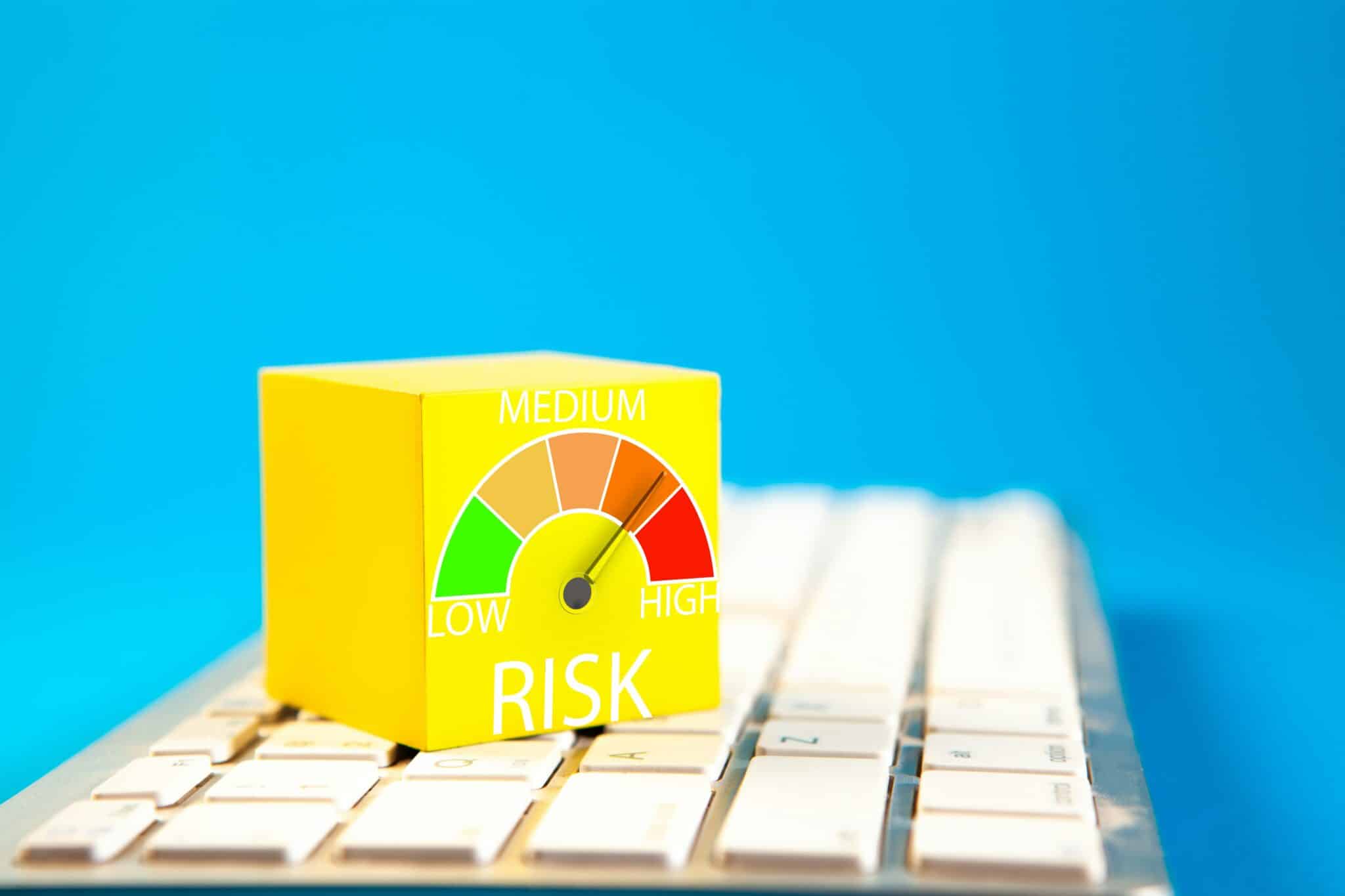
The mistake in most risk discussions is thinking risk can be removed like a stain. Usually it cannot. It moves. Delay a decision and the risk shifts into lost time. Add a manual review and the risk shifts into bottlenecks. Buy insurance and some financial exposure moves off the books, but the operational weakness that caused the problem may still be sitting there, waiting.
That matters for owners because many protective steps feel responsible while quietly loading danger somewhere else. A founder might postpone hiring to avoid payroll pressure, then end up with key tasks trapped in one person’s head. Someone forming a company may treat setup as a box checking exercise, but even basic choices about naming, records, and authority affect where friction appears later. Doing a quick business entity search Delaware does not eliminate legal or branding risk by itself, but it can help surface one obvious problem before money is spent on contracts, domains, or marketing materials.
A better way to think about risk is as a series of transfers. Every control creates tradeoffs. The question is not whether you can live without risk. The question is whether you are moving it into a place where your business can actually handle it.
Join The European Business Briefing
New subscribers this quarter are entered into a draw to win a Rolex Submariner. Join 40,000+ founders, investors and executives who read EBM every day.
SubscribeWhen playing it safe creates fragile operations
Small businesses often respond to uncertainty by adding caution at the edges. They avoid delegating access to bank tools, customer data, or vendor systems. That sounds prudent. But if only one person knows passwords, approval steps, and renewal dates, the company becomes dependent on that person’s availability, memory, and judgment.
The same pattern shows up in customer policy. A company may tighten refund rules to reduce abuse. That can lower one kind of loss while increasing chargebacks, complaints, or reputational damage. None of this means controls are bad. It means controls should be judged by the total risk picture, not by whether they reduce one visible category.
In workplace safety, public guidance often stresses controlling hazards as close to the source as possible, rather than relying only on people to behave perfectly. The hierarchy of controls from CDC and NIOSH reflects that logic. The lesson travels well beyond physical safety. If your process depends on flawless memory, constant heroics, or endless exception handling, you probably have not removed risk. You have reassigned it to human fatigue.
The hidden cost of administrative comfort
Many owners prefer solutions that produce a document, a policy, or a checklist. Those are tangible. They feel complete. But paperwork heavy controls often move risk downward into execution.
Consider vendor approval. Requiring three signatures may reduce impulsive spending. It may also slow urgent purchases, frustrate teams, and encourage off process workarounds. Or take cybersecurity. A business may buy a policy manual and feel covered, even though weak passwords, missing updates, and poor backups remain unchanged. In that case, the business did not reduce much exposure. It mainly transferred peace of mind to management while leaving technical risk with employees and systems.
This is why risk reviews should include a blunt question: who now carries the burden of this decision? If the answer is the person at the busiest point in the workflow, that is not a stable solution. It is a delayed incident.
Good risk transfer is specific, not symbolic
Useful risk transfer has a clear destination and a clear limit. Insurance can do that for certain losses. Contracts can do it for some vendor responsibilities. Entity formation can separate personal and business obligations in important ways when properly maintained. Security controls can reduce exposure if they actually change system behavior.
Federal guidance for small businesses on cybersecurity stresses practical basics such as software updates, backups, strong passwords, access limits, and incident response planning. The FTC also points businesses toward preparing for what happens after a disruption, not just how to avoid one in the first place, in its small business cybersecurity guidance. That distinction matters. Prevention reduces one layer of risk. Recovery capacity absorbs what gets through.
Symbolic controls are different. These are moves that look serious but mainly shift accountability without changing outcomes. Examples include requiring approvals no one reviews carefully, collecting data no one uses, or centralizing decisions that should be distributed. Symbolic controls make reports look cleaner while daily operations become slower and more brittle.
Three questions to ask before adding any safeguard
- What exact risk is this reducing?
- Where does the remaining risk go?
- What new dependency does this create?
Risk maturity means choosing your burden
The businesses that hold up best are usually not the ones that chased perfect safety. They are the ones that kept asking where each decision pushed the burden next. They made sure legal setup, operations, security, and staffing did not dump silent liabilities onto the same weak spot. That is the real work. Not pretending a safeguard solved the problem, but making sure the risk now sits somewhere visible, limited, and manageable.






