





























London, 7 October 2026 — EBM Newsdesk Analysis — By Amr Shabana
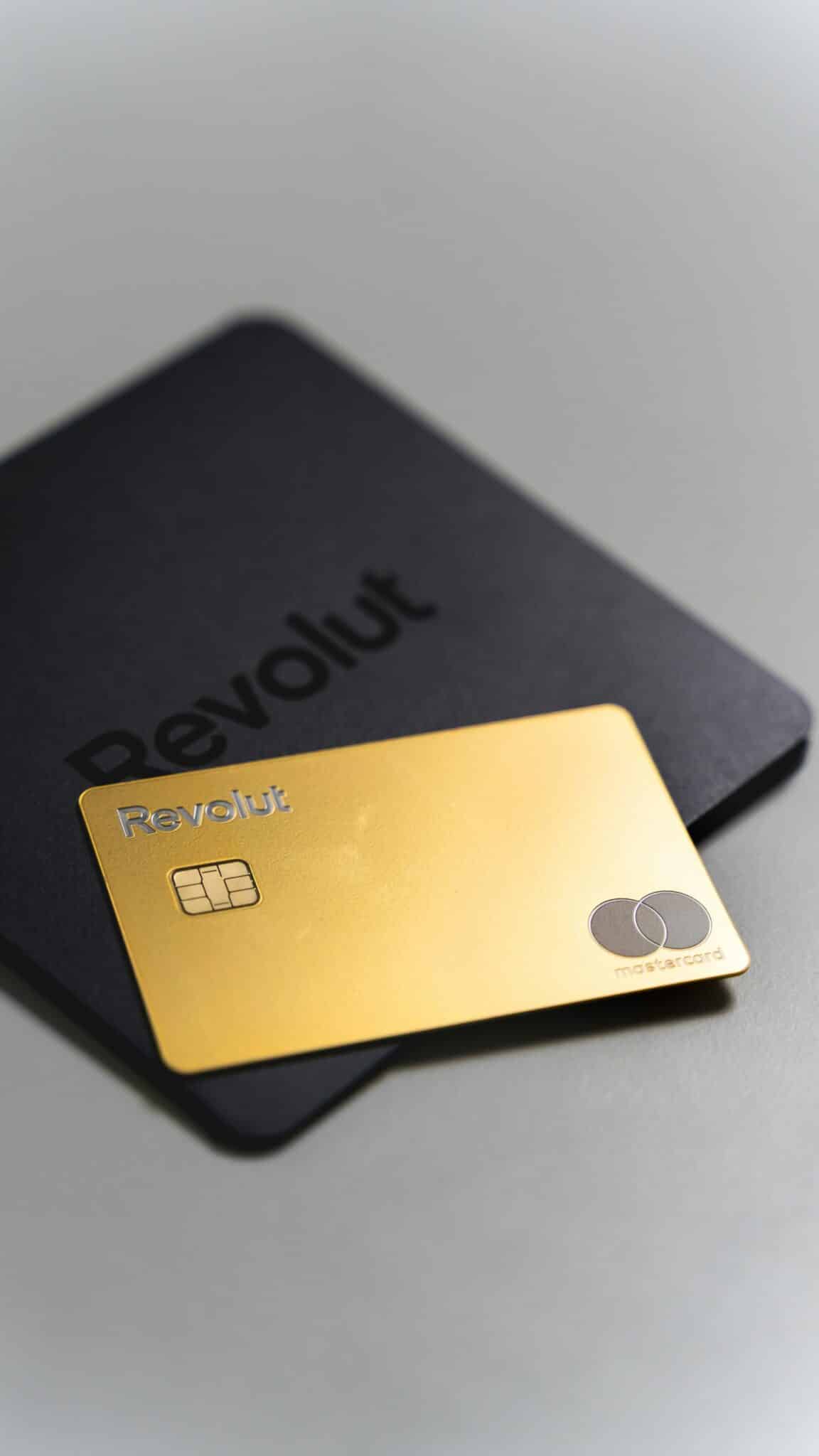
Revolut is now valued at $115bn, which makes it Europe’s most valuable private tech company. The valuation was set in July, when staff and early backers sold shares at $2,017 each. The company itself raised no new money. Eleven months earlier it was valued at $75bn, and in 2024 at $45bn. Few European companies have tripled in value that fast, and Revolut’s rival Monzo is still a long way behind.
The question is what investors are paying for. Revolut has the customers of a large bank and the profits of a growing one. What it doesn’t yet do is what banks mainly exist for, which is lending.
Join The European Business Briefing
New subscribers this quarter are entered into a draw to win a Rolex Submariner. Join 40,000+ founders, investors and executives who read EBM every day.
SubscribeThe Case for $115bn
Start with the money. In 2025, revenue rose 46% to $6bn and pre-tax profit rose 57% to $2.3bn. Most fintechs at this stage still lose money, and Revolut makes plenty.
Its customer base is also very large. Revolut has more than 75 million customers, about as many as JPMorgan and nearly twice as many as HSBC. It has also cleared the obstacle that held it back for years. After a long wait, it received a full UK banking licence in March, and it now has an EU crypto licence and a pending application for a US bank charter.
Its income comes from many sources: subscriptions, card and currency fees, share trading, and interest on the cash customers keep with it. That interest has grown more valuable as central banks have raised rates. Because Revolut earns from fees rather than lending, investors value it like a software company, which is a far higher multiple than they pay for a bank.
The Case Against
The weakness shows up on the balance sheet. Revolut has about £2.2bn of loans, about 6% of its deposits. HSBC lends 55% of its deposits. A bank makes most of its money by lending out the cash it holds, and Revolut mostly keeps that cash.
That is why Revolut earns much less per customer than the banks it is compared with. It also won’t say how many of those 75 million people pay their salary into Revolut. Many probably use it as a travel card and keep their main account with Barclays or Santander.
Rapid growth brings more scrutiny. As Revolut adds customers, regulators will watch more closely how it handles fraud and financial crime. Being bigger means meeting the standards set for big banks.
Private Money, Private Prices
The price has also not been tested on a stock market. Management has talked about a $200bn listing but says it won’t float before 2028. Until then, the valuation is set by a small group of buyers in private sales, at a time when private investors expect more from the companies they back. And with the end of cheap money, investors are less willing to pay today for profits that may only come years from now.
What I Think
Revolut has built something unusual: a European tech company that makes real profits, operates around the world and already rivals the largest US bank in customer numbers. That deserves a high price. But $115bn values it as the full bank it hopes to become, not the payments app it mostly is now.
The key test is lending. If Revolut can get customers to pay their salaries in and then lend to them sensibly, $115bn will look cheap. If most of those 75 million people keep their real banking somewhere else, it will look very expensive by the time Revolut lists.
Related Analysis
- “Investment Advisers are Either Going to Be on the Crest of This AI Wave, or They are Going to Drown Under It”: Ray Dalio
- Vibe coding is changing how software companies are built. Now it will change how they are bought
- Global Bond Sell-Off Sends a Warning to Governments: The Era of Cheap Money Is Over