





























London -26 September 2026 — EBM WEEKEDN READ — By Nick Staunton
No European army is fighting in the Gulf. No European navy is running the blockade. Yet Europe’s households, airlines and factories are paying for the Iran war every day. The US and Iran are still far apart on a deal to reopen the Strait of Hormuz, and the LNG shipments that pass through it remain blocked. With Iranian strikes on tankers keeping markets on edge, the question for Europe is no longer whether it pays. It is how the bill travels, and who ends up holding it.
The answer is less obvious than it looks. Europe’s real weakness is not crude oil. It is the refineries it chose to close.
From Tanker to Tank
Start with the basic exposure. The eurozone imported 57% of its energy needs in 2024, so a Gulf crisis never stays in the Gulf. Gas shows it first. Europe’s benchmark gas price hit as much as €82 per megawatt-hour this month, its highest since January 2023, when Europe faced its first winter without most Russian pipeline gas. It was still around €74 on Thursday.
Join The European Business Briefing
New subscribers this quarter are entered into a draw to win a Rolex Submariner. Join 40,000+ founders, investors and executives who read EBM every day.
SubscribeFuel is where it really hurts. The ECB has noted that refined transport fuels have risen by much more than crude oil. The reason is simple. The Hormuz closure cut the global supply of finished fuels just as seasonal demand rose, and Ukrainian strikes on Russian refineries tightened supply further.
Europe made itself vulnerable to exactly that. Its own refinery output has been falling for nearly two decades, as dozens of plants closed or switched to biofuels. That fitted the logic of the EU’s green transition. It also meant Europe imported more of its finished fuel from the Gulf. When the strait closed, Europe lost the product, not just the raw material.
The Airline Test
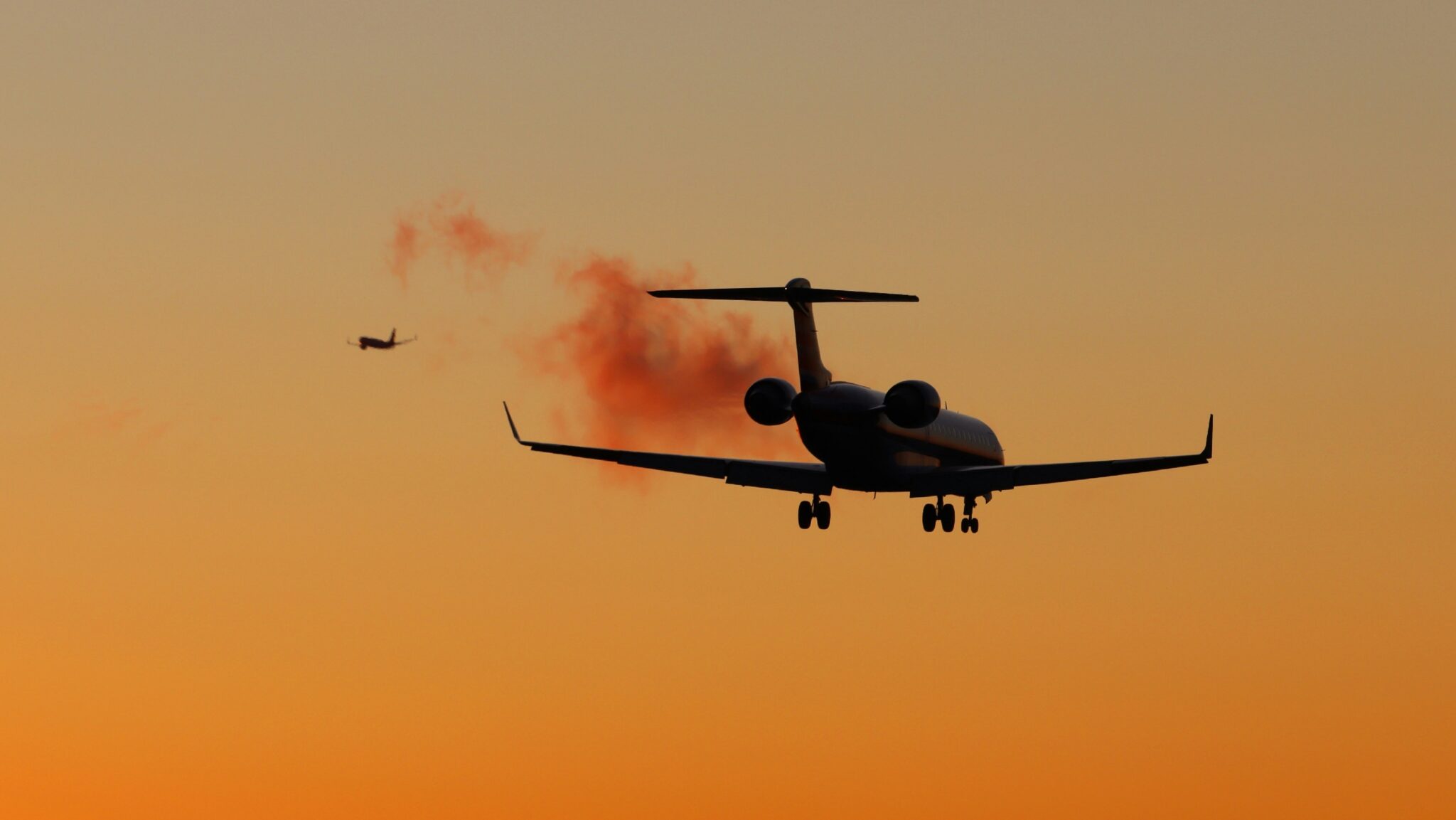
Aviation is where the bill shows up first and hardest. Lufthansa warned in May that the kerosene spike would add €1.7 billion to its costs this year, even with about 80% of its fuel hedged. Air France-KLM expects its fuel bill to rise by $2.4 billion.
Hedging buys time, not safety. Ryanair has about 80% of its fuel hedged at $67 a barrel, while jet fuel trades at around $140. Even so, it has trimmed its winter passenger target to reduce its exposure to unhedged fuel.
The real pain comes next year, when today’s hedges roll off. Michael O’Leary said this week that fares may need to rise by 10%, 15% or even 20% next summer if oil stays this high. His prediction for weaker carriers was blunt: “Airlines who are currently loss-making will fail.” He expects Europe to consolidate around British Airways, Lufthansa, Air France and Ryanair.
That explains why the vultures are circling now. The US fund eyeing EasyJet and the scramble for TAP Air Portugal are not just about routes and slots. They are bets on who survives a fuel shock.
The Second Bill: Interest Rates
This is the part most people miss. Europe does not pay once for an energy shock. It pays twice.
The first bill is prices. Eurozone inflation rose to 3.3% in August, its highest level since September 2024. Energy inflation jumped to 14.3%, while core inflation actually dipped to 2.4%. In other words, this is imported inflation, not an overheating economy.
The second bill is borrowing costs. The ECB raised its deposit rate by a quarter point in June as energy prices spiked. It had spent the previous year cutting. Its own staff now expect energy inflation to peak at almost 15% at the end of this year.
A central bank cannot conjure oil out of thin air. Raising rates does nothing to reopen the Strait of Hormuz. It simply makes mortgages and business loans dearer to stop the price shock spreading. Europe is being squeezed from both ends. The Fed’s surprise rate rise and the global bond sell-off are making governments’ borrowing dearer at the same moment.
Who Pays Most
The pain is not spread evenly. Energy-hungry manufacturers pay first: chemicals, steel, glass, and the carmakers already fighting for survival. Hauliers and farmers pay through diesel. Households pay through the weekly shop, as fuel costs feed into food prices over the months ahead.
The macro numbers tell the same story. In May, Brussels cut its 2026 growth forecast for the eurozone to just 0.9%, and warned that prolonged disruption could stall Europe’s recovery altogether. Four months on, the strait is still closed.
The Bottom Line
The easy conclusion is that everything returns to normal once a deal reopens Hormuz. I don’t believe it.
A deal would bring prices down. It would not rebuild the refineries Europe closed, and it would not undo a year of higher interest rates already working through the economy. The 2022 gas crisis taught Europe that depending on one supplier is a strategic risk. This crisis teaches the same lesson about one shipping lane, and about outsourcing the refining step entirely.
There is one irony worth noting. The war has done more to push drivers towards electric cars than a decade of climate policy. But that is a slow fix for a fast problem. For now, Europe is paying full price for a war it has no say in ending. The bill arrives twice, and most of it hasn’t landed yet.
Related Analysis