






























Sparks, Nevada, 25 September 2026 — EBM Newsdesk Analysis — By Nick Staunton, Editor-in-Chief
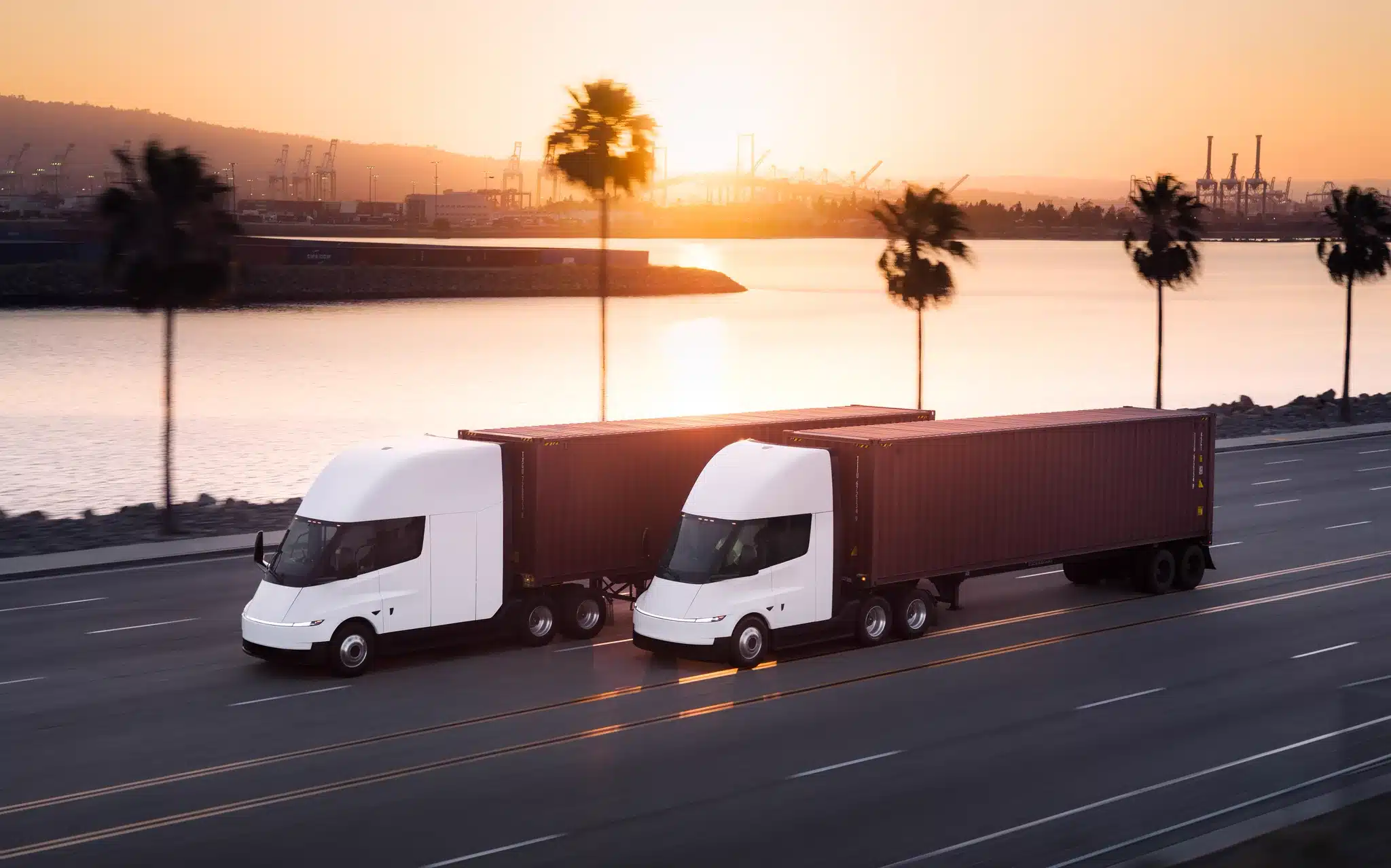
Tesla has begun customer deliveries of its Semi electric truck from a dedicated new factory in Sparks, Nevada, at an inauguration event held Thursday. The milestone lands almost nine years after Elon Musk first unveiled the Semi in 2017, with production originally expected in 2019 — a delay so persistent that the factory opening itself has been repeatedly recast: the first truck rolled off what Tesla called its “high-volume” line back in April, before the company’s own July shareholder letter pushed volume production to 2026, removing an earlier promise it wouldn’t quite meet.
What’s Actually Different This Time
Tesla says it redesigned the Semi over four years, replacing the original 2170 battery cells with its in-house 4680 cells, adding a steel-caged rotor and bar-wound stator shared with the Cybertruck, and fitting the truck with electric rather than hydraulic steering — changes the company credits with cutting energy consumption to roughly 1,700 Wh per mile, down from an original 2,000 Wh/mile target. The long-range variant is rated for 500 miles on a single charge fully loaded; a standard variant manages 325 miles. Dan Priestley, Tesla’s director of Semi truck engineering, was explicit that the 500-mile figure reflects loaded, real-world testing rather than a reduced-payload demonstration number — a direct response to the scepticism that has followed every Tesla range claim since the Semi was first unveiled.
Join The European Business Briefing
New subscribers this quarter are entered into a draw to win a Rolex Submariner. Join 40,000+ founders, investors and executives who read EBM every day.
SubscribeThe Demand Signal, and Its Limits
Commercial interest is real and specific: industry coalition ZET SCALE named Tesla its primary supplier for an initial 2,500-truck order as part of a wider plan to source more than 10,000 electric trucks from multiple manufacturers, and logistics firm Einride has separately committed to 500 Semis, with some deliveries beginning this month. PepsiCo, DHL and US Foods were all present at the Nevada event, underscoring that Tesla already has operating fleet experience with anchor customers dating to limited 2022 deliveries. But Tesla has not disclosed how many trucks the Sparks line is currently producing — the widely quoted 50,000-unit figure is planned annual capacity, not confirmed output, leaving the actual pace of the ramp as the genuine open question rather than a settled fact.
Why the Credibility Gap Still Matters
Tesla’s own recent delivery record gives European observers real reason for caution: the Cybertruck sold barely 16,000 units in its first year, far below the projections that had been built into supply contracts and battery orders. The Semi faces entrenched competition in Europe specifically from Volvo and Daimler Truck, both of which already sell battery-electric heavy trucks and jointly built Europe’s Milence charging network years before Tesla’s Nevada plant opened. Musk himself didn’t attend Thursday’s event, appearing only via recorded video from a Washington state dinner — a scheduling choice that, however incidental, hasn’t discouraged Musk from urging customers to place orders now given what he called an already “pretty significant” waiting list.
My Read: A nine-year gap between unveiling and delivery is the headline critics will keep reaching for, and it’s a fair one. But the more useful test isn’t how long the Semi took to arrive — it’s whether Tesla can now sustain output at anything close to the 50,000-unit figure it keeps repeating, in a market where Volvo and Daimler aren’t waiting around to find out. Anchor customers and coalition orders prove genuine interest exists. They don’t yet prove Tesla can build the trucks fast enough to keep it.