






























You land in a new country, switch off airplane mode, and need three things: directions to your hotel, a rideshare, and proof that you actually made it there. However, international data can get complicated.
Travelers traditionally had three choices: pay their carrier’s roaming rates, hunt down a local SIM card, or spend the trip bouncing between café Wi-Fi networks. International eSIMs offer a simpler option, but are they worth buying?
What Is an International eSIM?
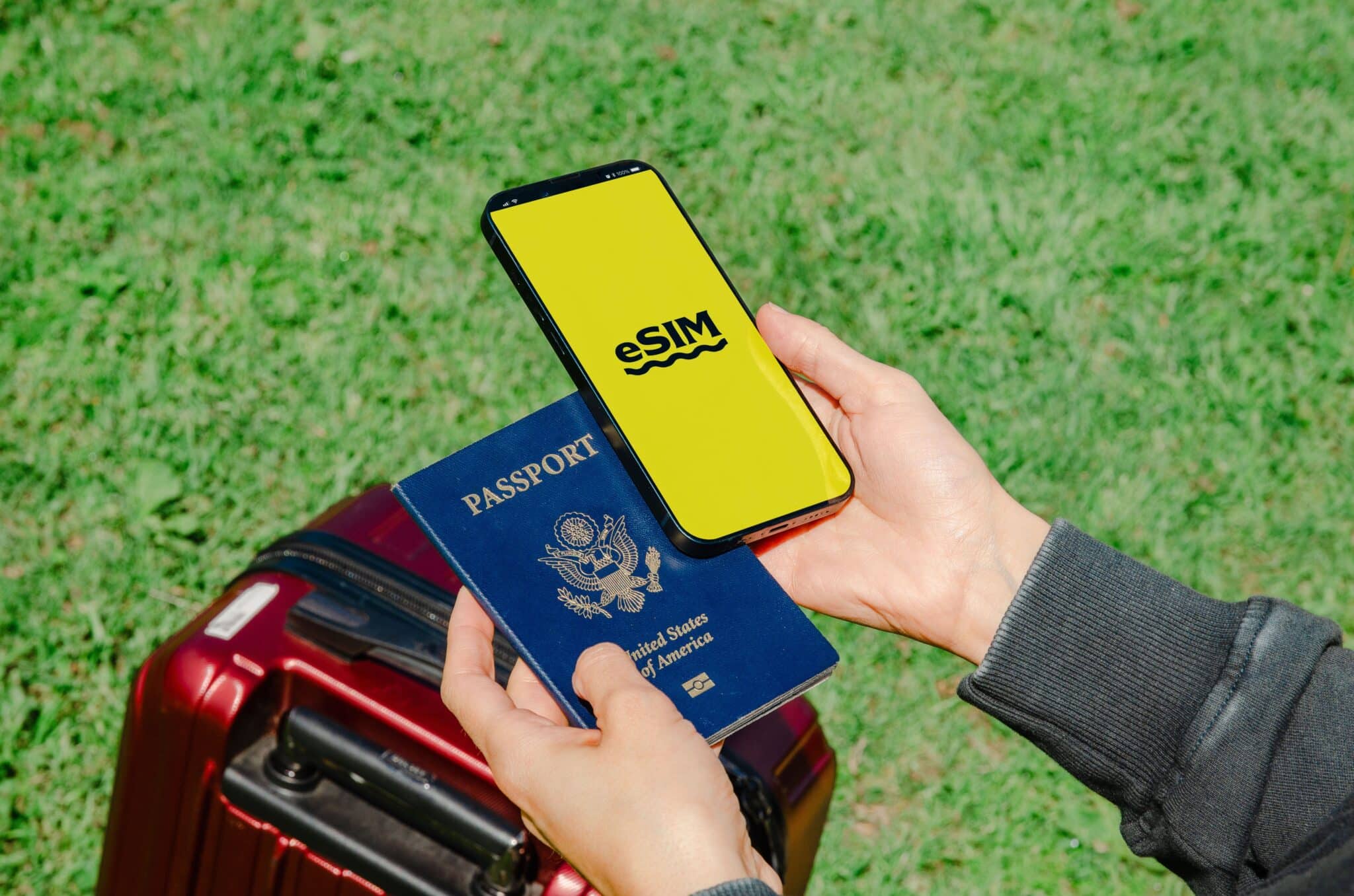
An eSIM is a digital SIM card built into a compatible phone. Rather than opening your phone and swapping a tiny piece of plastic, you can purchase a mobile plan online and install it digitally.
Join The European Business Briefing
New subscribers this quarter are entered into a draw to win a Rolex Submariner. Join 40,000+ founders, investors and executives who read EBM every day.
SubscribeInternational eSIMs are designed for travel. You can buy coverage for one country, a region, or even multiple destinations worldwide. Many plans focus primarily on mobile data, covering maps, messaging, email, and internet access abroad.
For travelers already comparing affordable phone plans, an international eSIM can be appealing because you can choose a specific amount of travel data instead of automatically accepting your carrier’s standard roaming option. Prices and coverage vary, so comparison shopping matters.
Why Travelers Like International eSIMs
Convenience is the big attraction. For travelers who constantly use maps and translation apps, having data ready upon arrival can be especially reassuring. You can often purchase and install an eSIM before leaving home, then activate it when you arrive. That means no airport SIM kiosk, no tiny card to lose, and no surprise roaming bill afterward.
An eSIM can also be useful on multi-country trips. Regional plans may let you cross borders without buying another SIM. If you’re traveling from Italy to France to Spain, that’s one less logistical scavenger hunt. Compatible phones may also let you keep your regular line active while using the travel eSIM for data, making it easier to stay reachable.
The Downsides You Should Know About
Your phone has to support the technology, and some devices must be unlocked before they can use a travel eSIM. Many international plans are also data-only, meaning they don’t include a local phone number, calls, or SMS texts.
Coverage and speeds can vary by destination and network partner, while some plans expire after a fixed number of days or cap your data. Setup is usually simple, but “usually” feels less reassuring when you’re standing at baggage claim with no connection. Installing your eSIM before departure can save that headache.
Finally, don’t assume an eSIM is the cheapest option. Compare it with your carrier’s international options before buying one.
Who Should Consider Getting an International eSIM?
If your phone doubles as your map, translator, travel guide, restaurant finder, boarding pass, and emergency source of entertainment, an international eSIM may be a smart addition to your packing list. Having mobile data available can make everything from finding your hotel to checking train schedules easier.
International eSIMs can be particularly useful for people visiting multiple countries. Rather than researching and purchasing a new physical SIM at each stop, you may be able to use a single regional plan across several destinations. Frequent international travelers may also appreciate having a familiar setup process each time they head abroad.
An eSIM isn’t essential for every traveler, though. If you’re taking a quick weekend trip, your carrier includes international data, or you’ll spend most of your time somewhere with reliable Wi-Fi, another plan might make more sense. The best choice depends on how connected you want to be and how much you’re willing to pay for that convenience.
What To Check Before You Buy
Before purchasing an international eSIM, start with the most important question: Does your phone support it? Check that your device is eSIM-compatible and unlocked for use with another provider if necessary.
Next, look closely at the plan itself. Confirm that it covers every country you’re visiting and compare the data allowance, price, and validity period. A bargain-priced 20 GB plan isn’t much of a bargain if it expires halfway through your vacation.
You’ll also want to know whether the plan includes calls and texts or only data. If you plan to work from your laptop or share your connection with another device, check whether hotspot or tethering is allowed.
Finally, estimate your likely data usage and compare the total price with your regular carrier’s international offering. You may discover that your existing plan is competitive, or that an eSIM offers considerably more flexibility.
So, Should You Get One?
For many international travelers, an eSIM offers a convenient way to get connected without physical SIM cards or constant dependence on public Wi-Fi. But it isn’t automatically the right, or cheapest, solution for every trip.
Before buying, consider where you’re traveling, how long you’ll be gone, how much data you’ll need, and what your current carrier already offers. A few minutes of comparison before departure can make the decision surprisingly simple.
If an eSIM wins, set it up before you leave. Then you can land, connect, pull up your map, and start exploring, without making “find decent Wi-Fi” the first item on your itinerary.






