






























London 26 August 2026- EBM NEWDESK ANALYSIS- Anthony Gill
London’s robotaxi revolution was supposed to be approaching. Instead, it appears to be stuck in a familiar British holding pattern: the technology is advancing, investors are ready and global competitors are moving ahead, but the regulatory machinery is still deciding precisely what it wants.
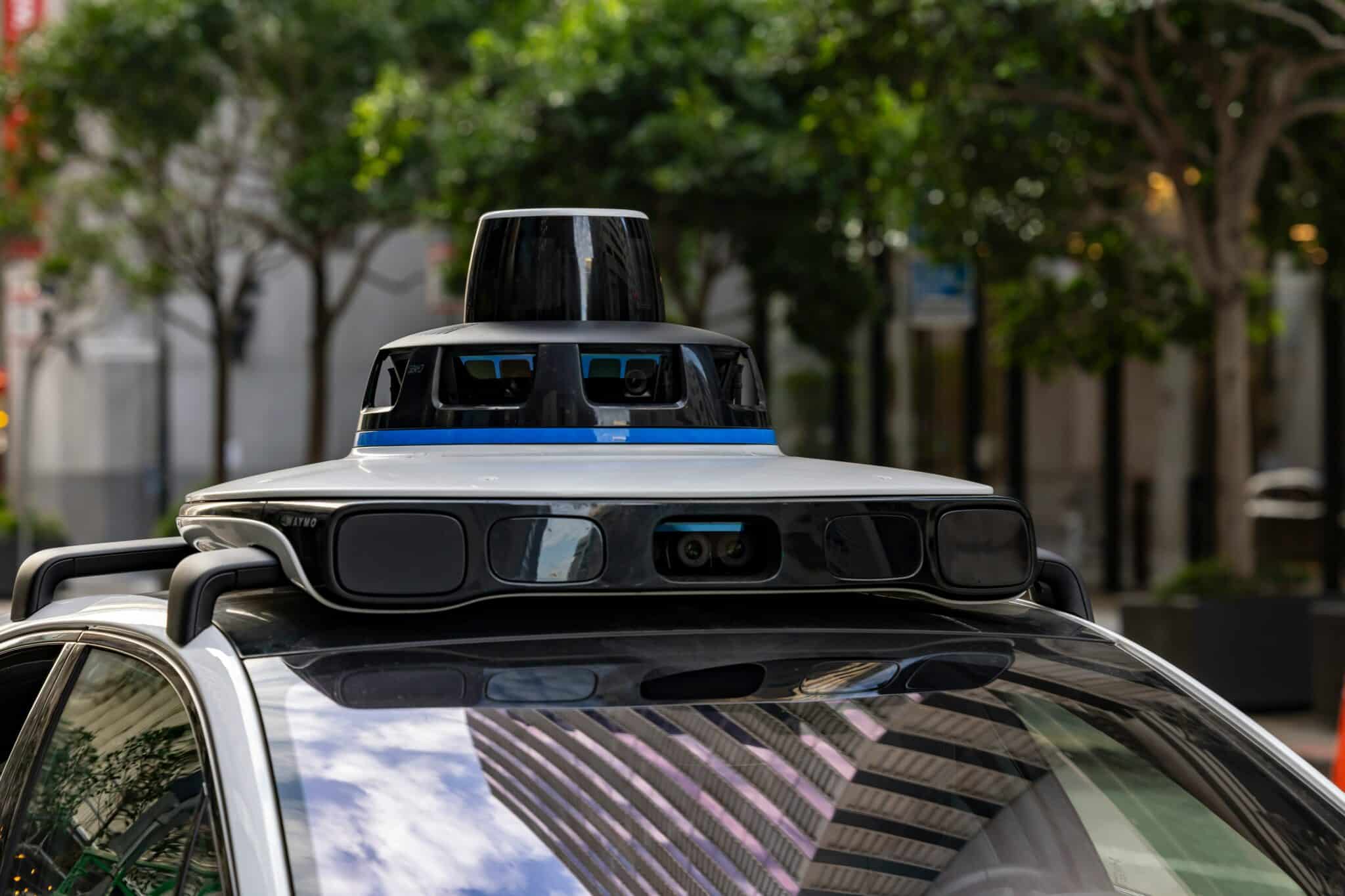
The launch of fully driverless commercial robotaxis in London is now unlikely to happen this year, despite earlier ambitions that the capital could become one of the world’s leading proving grounds for autonomous transport. Waymo, Uber-backed Wayve and China’s Baidu all face regulatory and technical hurdles, while Transport for London has yet to publish the guidance operators need before seeking the authority’s consent.
Join The European Business Briefing
New subscribers this quarter are entered into a draw to win a Rolex Submariner. Join 40,000+ founders, investors and executives who read EBM every day.
SubscribeThere is an obvious argument for caution. London is not Phoenix, San Francisco or a carefully controlled technology campus. It is one of the world’s most complicated urban environments, where narrow streets, cyclists, buses, pedestrians, black cabs and unpredictable traffic patterns create a far tougher test for autonomous technology.
But Britain also needs to confront an uncomfortable question: when does sensible regulation become institutional hesitation?
The UK has repeatedly spoken about becoming a global centre for artificial intelligence and advanced technology. Yet London now risks demonstrating a problem that has become increasingly familiar across the European economy: the ability to develop and discuss transformative technologies is not always matched by the ability to deploy them at scale.
That tension is already visible across the wider AI economy. As European businesses debate governance and oversight, North American companies are moving more aggressively towards autonomous systems and commercial deployment. European enterprises are increasingly prioritising AI governance, but governance cannot become a substitute for competitiveness.
A test case for Britain
London matters because the commercial prize is enormous.
A successful robotaxi service in the capital would not simply create another way to book a car. It would demonstrate that autonomous technology can operate in one of the world’s most demanding cities. For Wayve, in particular, London represents an opportunity to show that British AI technology can compete with some of the world’s biggest companies.
The company has already attracted significant attention and investment, with its autonomous driving technology designed to scale across different markets and environments. Wayve’s $1.5 billion funding round underlined the scale of investor belief in the commercial future of autonomous vehicles.
Yet the UK risks finding itself in the awkward position of nurturing promising technology companies while allowing the commercial benefits to emerge elsewhere first.
The government’s original enthusiasm for robotaxis was partly about precisely this issue. Autonomous vehicles were supposed to create jobs, attract investment and reinforce Britain’s position as an innovation hub. But ambition from ministers is only one part of the equation. Local authorities and regulators ultimately have to decide how these technologies fit into the real world.
TfL’s caution is therefore understandable. The organisation has legitimate questions about congestion, safety, employment and whether robotaxis would complement London’s public transport system or simply put more vehicles on already crowded roads. A separate concern is the amount of empty running that autonomous fleets could create between passenger journeys.
Regulation cannot answer every question
The deeper issue is that regulators are often being asked to answer questions that technology itself cannot yet answer conclusively.
Will robotaxis reduce accidents? Possibly.
Will they improve mobility for elderly and disabled people? Potentially.
Will they eliminate driving jobs or simply create different ones? Nobody can say with certainty.
Will they reduce congestion? That may depend entirely on how large the fleets become and how they are regulated.
Waiting for absolute certainty, however, is unlikely to be an option. Emerging technologies rarely arrive with every social and economic consequence neatly mapped out in advance.
Europe has already seen how quickly technological leadership can become concentrated elsewhere. The debate over why Europe is losing the race for AI leadership is not simply about research or regulation. It is increasingly about who turns innovation into commercially dominant businesses.
That does not mean London should simply throw open its streets to robotaxi operators. The opposite is true. London needs clear rules, proper safety standards and meaningful local oversight.
But it also needs a timetable.
The bigger risk
The danger for Britain is not that TfL takes a few additional months to get the framework right. The danger is that every new technology becomes trapped in a cycle where national government announces ambition, companies invest accordingly and local institutions then spend years deciding whether the innovation actually solves a sufficiently important problem.
That is not a strategy for technological leadership.
Europe is already asking who will control its AI future — startups, governments or foreign technology giants. The battle for Europe’s AI leadership will ultimately be decided not just by who develops the best technology, but by who creates the conditions for that technology to become commercially successful.
London’s robotaxis may arrive in 2027 rather than 2026. In itself, that is hardly a disaster.
But the delay is becoming a useful test of something much bigger: whether Britain can regulate transformational technology without regulating away its own opportunity.
And that may prove to be the more important journey London has yet to complete.