





























LONDON — 5 August 2026 — By European Business Magazine
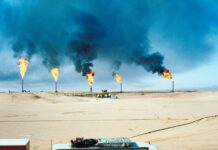
European energy stocks have come under renewed selling pressure as hopes of diplomatic progress between the United States and Iran pushed oil prices sharply lower and reduced the geopolitical premium supporting producers’ earnings.
Brent crude fell towards $79 a barrel on Wednesday, extending a decline of more than 5 per cent in the previous session. West Texas Intermediate dropped towards $75 as investors assessed reports that mediation efforts could help end the five-month conflict and reopen the Strait of Hormuz.
Join The European Business Briefing
New subscribers this quarter are entered into a draw to win a Rolex Submariner. Join 40,000+ founders, investors and executives who read EBM every day.
SubscribeThe prospect of more oil and liquefied natural gas moving through the waterway has reversed part of the surge created by months of supply disruption. Roughly a fifth of global oil and gas shipments traditionally pass through Hormuz, making any progress towards reopening it particularly significant for energy markets.
Oil Majors Lead the Decline
European producers were among the biggest losers from the shift in sentiment.
BP fell 2.1 per cent during the initial sell-off, while Shell declined 1.2 per cent. TotalEnergies, Eni and Repsol each lost roughly 2.2 per cent, while Norway’s Equinor dropped 3 per cent.
The broader European energy sector subsequently fell another 1.7 per cent on Tuesday, even as the STOXX Europe 600 reached a record high, supported by technology shares, industrial companies and stronger corporate earnings.
The divergence illustrates how lower oil prices can benefit much of the European economy while simultaneously hurting its largest energy groups. Airlines, manufacturers and transport companies gain from cheaper fuel, while falling crude prices reduce the cash flow expectations attached to oil producers.
For BP, the retreat came despite second-quarter underlying profits of $5.7 billion, its strongest result since 2022. Higher oil and gas prices during the conflict had strengthened the company’s balance sheet and helped reduce net debt, but the market reaction demonstrated how dependent near-term earnings remain on geopolitical conditions.
Diplomacy Has Not Removed the Risk
Donald Trump said discussions with Iran were progressing well and suggested the Strait of Hormuz could reopen soon. Qatar and Oman have also been involved in efforts to secure an agreement, although Iranian officials have disputed suggestions that a final settlement is imminent.
That contradiction leaves energy markets vulnerable to another rapid reversal. Tanker movements remain restricted, inventories are tight and any collapse in diplomacy could quickly restore the supply-risk premium that previously drove Brent above $90 a barrel.
For investors, the central question is no longer simply whether energy companies can generate large profits. It is how much of those profits depends on a conflict premium that can disappear with a single diplomatic announcement.
The Bigger Picture
The sell-off does not yet represent a structural collapse in the investment case for Europe’s energy majors. Balance sheets remain stronger than during previous downturns, dividends are well supported and many producers have reduced costs.
But the latest move is a reminder that war-driven windfalls are inherently unstable. As diplomacy advances, investors are being forced to separate sustainable operational performance from profits created by temporary scarcity.