






























Rising temperatures are becoming a challenge for businesses around the world. What was once considered an occasional heatwave is increasingly becoming part of the normal operating environment, affecting offices, retail spaces, warehouses, hospitality venues and industrial facilities alike.
Higher temperatures can influence everything from employee wellbeing and customer satisfaction to equipment performance and energy costs. Rather than treating extreme heat as a seasonal inconvenience, forward-thinking organisations are recognising the importance of adapting their workplaces for the long term.
Create Comfortable Working Environments
Join The European Business Briefing
New subscribers this quarter are entered into a draw to win a Rolex Submariner. Join 40,000+ founders, investors and executives who read EBM every day.
SubscribeEmployee comfort has a direct impact on productivity. When indoor temperatures become excessive, concentration often declines, fatigue increases and routine tasks can become more difficult.
Creating a comfortable environment helps employees stay focused throughout the day while supporting morale during warmer months. Businesses that prioritise workplace comfort also demonstrate that they value employee wellbeing, which can contribute to higher engagement and retention.
Invest in Reliable Cooling Solutions
Many commercial buildings were designed for different climate conditions and may struggle to maintain comfortable indoor temperatures during prolonged periods of heat.
Choosing the right cooling system is an important part of future-proofing any workplace. For properties where external condenser units are difficult to install or space is limited, solutions such as water cooled air conditioning London demonstrate how modern cooling technologies can deliver effective climate control while accommodating the practical constraints of many commercial buildings.
Protect Business Operations
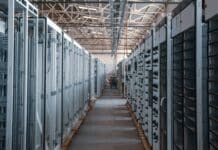
Extreme heat doesn’t just affect people. Computers, servers, machinery and specialist equipment can all become less efficient when operating in high temperatures, increasing the risk of downtime or unexpected failures.
Maintaining stable indoor conditions helps protect valuable assets while reducing interruptions that could affect productivity, customer service or manufacturing processes.
Prepare Before Temperatures Rise
Businesses benefit most when they prepare before hot weather arrives rather than reacting once temperatures become uncomfortable.
Routine servicing of cooling systems, checking ventilation, inspecting windows and identifying heat-prone areas within a building all help ensure facilities continue operating effectively throughout the warmer months. Preventative planning also reduces the likelihood of emergency repairs when cooling systems are needed most.
Adapt Working Practices
Technology alone is not always the answer. Small operational adjustments can also make a meaningful difference during periods of high temperatures.
Flexible working hours, hybrid working arrangements where appropriate, additional hydration breaks and reviewing workplace dress policies are all practical measures that can improve comfort without significantly affecting productivity.
Improve Customer Experience
For businesses that welcome customers onto their premises, indoor comfort is an important part of the overall experience.
Whether someone is shopping, dining, attending a meeting or staying in a hotel, comfortable temperatures encourage visitors to spend more time in the space and leave with a positive impression. A pleasant indoor environment can become a competitive advantage, particularly during warmer seasons.
Manage Rising Energy Costs
Cooling large commercial spaces requires energy, making efficiency an increasingly important consideration. Businesses that invest in modern, well-maintained cooling systems often benefit from lower operating costs compared with older, less efficient equipment.
Combining effective climate control with energy-efficient building management strategies allows organisations to balance comfort with long-term financial sustainability.
Future-Proof Commercial Buildings
As businesses renovate existing premises or move into new ones, climate resilience is becoming an increasingly important design consideration.
Planning for warmer conditions today allows organisations to make smarter decisions about ventilation, insulation, cooling infrastructure and building layout. These investments help properties remain comfortable and functional for years to come while reducing the need for costly retrofits later.
Heat Resilience Is Now a Business Strategy
Hotter summers are no longer an issue that businesses can afford to ignore. Organisations that take proactive steps to improve workplace comfort, protect equipment and invest in reliable cooling infrastructure will be better positioned to maintain productivity and support both employees and customers.
Adapting to rising temperatures is not simply about surviving the next heatwave. It is about building workplaces that remain efficient, resilient and comfortable as climate conditions continue to evolve.