




























EBM NEWSDESK ANALYSIS-
By Nick Stauton- Editor
South Korea’s Kospi hit an all-time high on Wednesday as AI-driven semiconductor valuations rewrote the record books — while European indices, gold, and the dollar told a far more complicated story.
Seoul Steals the Show
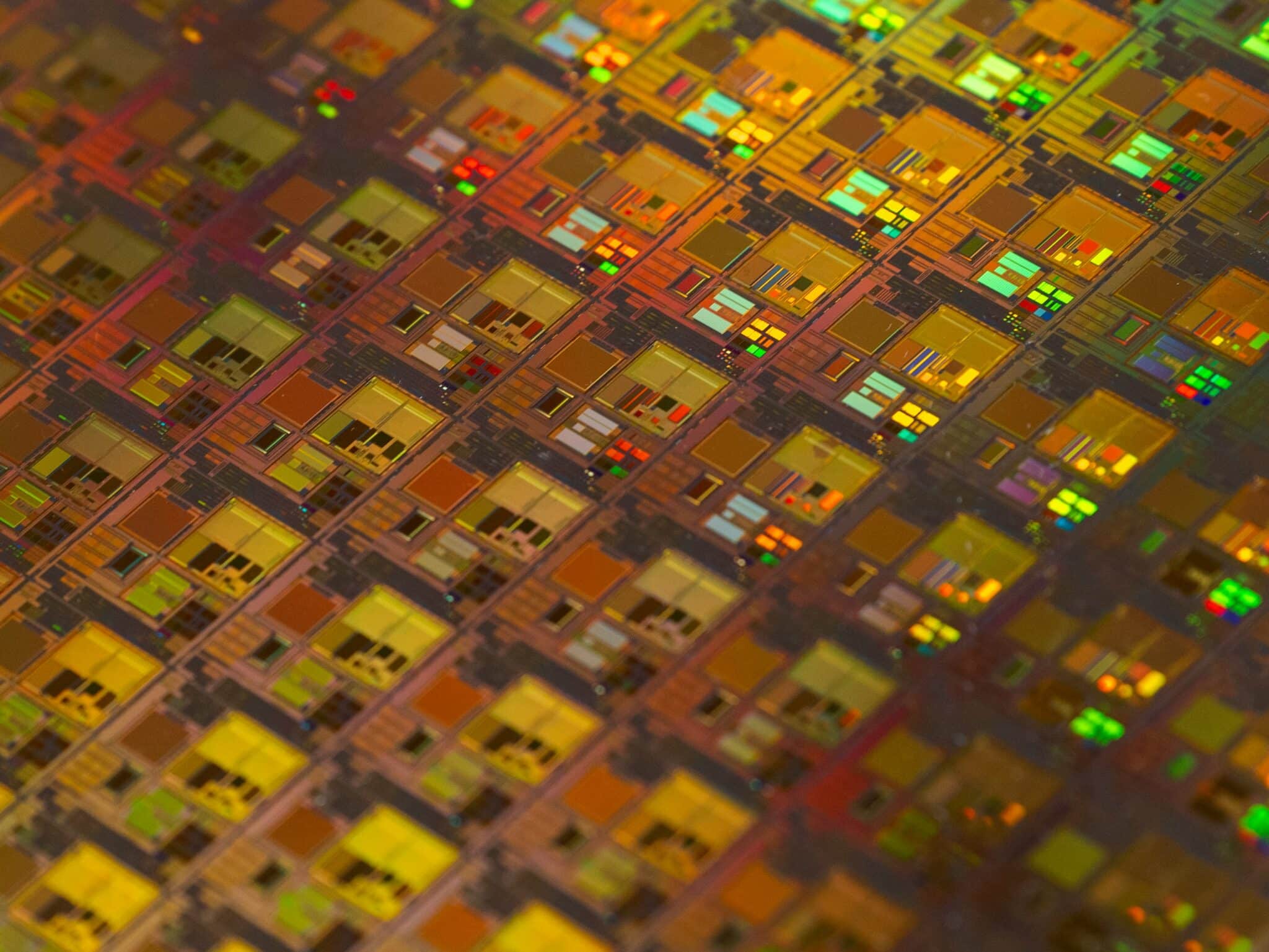
South Korea’s benchmark Kospi surged as much as 5% to 8,450.26 — its highest level on record — with the sharp gains triggering a sidecar curb that temporarily halted algorithmic trading. SK Hynix jumped as much as 11.1%, taking the chipmaker’s market value to a record 1,624 trillion won, or approximately $1.08 trillion, joining Samsung Electronics and Micron Technology in the trillion-dollar club. Bloomberg
Samsung Electronics and SK Hynix now account for more than 42% of the Kospi by market capitalisation — a concentration that has turned South Korea’s benchmark index into a leveraged bet on the global AI buildout. For context on what that means for investors with Korean exposure, our analysis of semiconductor concentration risk in Asian equity indices sets out the structural vulnerabilities in detail. UPI
Join The European Business Briefing
New subscribers this quarter are entered into a draw to win a Rolex Submariner. Join 40,000+ founders, investors and executives who read EBM every day.
SubscribeThe catalyst was a confluence of events: Samsung’s landmark union deal resolving its strike threat, Micron’s blowout earnings the previous session, and persistent optimism that the Strait of Hormuz impasse is edging toward resolution. Samsung shares have risen 165% so far this year, while SK Hynix is up 245% and Micron has gained 214%. Bloomberg
Europe Tries to Keep Up
European markets opened higher on Wednesday, helped by another pullback in oil prices. The Euro Stoxx 50 and German DAX continue to lead, with the DAX pushing back toward its January all-time high. The FTSE 100, however, remains a laggard — currently more than 3% below its own record closing high, hit the day before the US-Iran war broke out in late February.
The divergence is not accidental. Europe and the UK carry far greater direct exposure to the Persian Gulf conflict than US markets — through energy dependency, chemicals supply chains, and trade corridor disruption that American self-sufficiency largely insulates Washington from. As we argued in our breakdown of the war premium embedded in European equity valuations, the gap between the DAX and the FTSE tells you less about German strength than it does about UK vulnerability to sustained energy disruption.
The Dollar Consolidates — For Now
FX markets had a subdued session. West Texas Intermediate crude briefly fell below $90 a barrel for the first time in almost three weeks amid signs that the US and Iran were progressing toward an agreement to reopen the Strait of Hormuz, with President Trump saying negotiations were “proceeding nicely.” Samsung
The cash Dollar Index has held either side of 99.00 for twelve consecutive sessions — its daily MACD flattening, suggesting upside momentum is fading. The greenback now faces a binary path: either it builds sufficient momentum for another run at the 100.00 resistance level, or it gives back three weeks of gains as geopolitical risk premiums deflate.
What is notable is the dollar’s resilience even as Treasury yields have dropped sharply since the end of last week. With all major central banks now expected to raise rates this year — the ECB confirmed a June hike is coming regardless of any Iran peace deal, and the Bank of Japan is expected to move next month — the interest rate differential argument for dollar strength has narrowed considerably. Bloomberg’s latest oil market analysis tracks how Hormuz negotiations are moving crude and currency markets in real time.
Gold Searches for Direction
Gold broke below $4,500 overnight, touching its lowest level since the previous week. Having rallied toward $4,800 at the start of May, it has struggled across the past fortnight as dollar strength and surging Treasury yields — driven by inflation fears and rate hike speculation — compressed the metal’s appeal.
The path forward is not obvious. A peace deal ending the US-Iran conflict would likely see the dollar sold off as traders exit the flight-to-quality trade, which should provide gold with a tailwind. Against that, gold may need to retest support around $4,400 before it can mount any meaningful recovery. Silver faces the same headwinds, finding tentative support around $75 but remaining vulnerable to further selling if central banks signal a longer period of elevated borrowing costs.
For readers tracking precious metals alongside the geopolitical backdrop, our gold and silver outlook for H2 2026 examines how the Hormuz premium is distorting traditional safe-haven dynamics.
The US: Records, But a Question Mark
US stock index futures were firmer across the board. The NASDAQ and Russell 2000 led Tuesday’s session, adding 1.2% and 1.8% respectively, while Micron’s 19% surge pushed it past the $1 trillion market cap threshold for the first time.
The earnings season has been the engine. According to FactSet, year-on-year earnings growth for Q1 is tracking at its strongest since Q4 2021. The question now — as the season winds down — is whether that tailwind fades as analysts scrutinise whether the growth rate is sustainable. Nvidia’s 3% decline since its own stellar results last week is an unusual signal worth watching closely. Reuters’ coverage of the US earnings season and what comes next for tech valuations gives the sharpest read on where consensus is moving.