































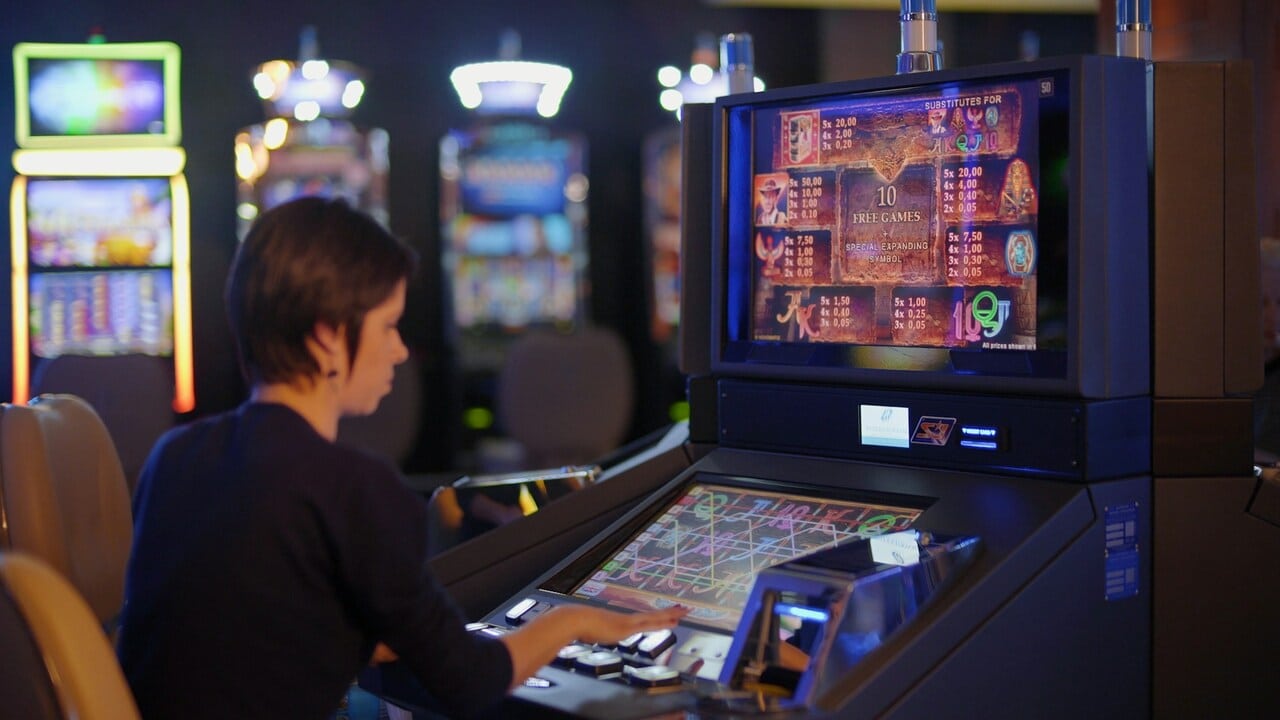
Gambling has changed form, there is no doubt, though it’s not as much as people think. It may have even changed demographics too – but is it bigger today than in the 2000s? Some people think exposure to gambling is much higher today, while others think numbers are coming down.
It’s important to remember that twenty years ago, gambling and sports betting were almost entirely land-based. Betting shops, especially in the UK, were a social third space. To play a slot game, you had to pull a physical lever.
Today, it feels mostly online, but is it? EGBA figures (2025) show that Europe’s total gross gaming revenue reached €123.4 billion in 2024, while land-based holds a €75.5 billion portion of that. But, online platforms have been expanding consistently and now claim a 39% share of the overall market. It shows a shift, but not hardly one of online dominance.
Join The European Business Briefing
New subscribers this quarter are entered into a draw to win a Rolex Submariner. Join 40,000+ founders, investors and executives who read EBM every day.
SubscribeAre we more or less exposed to gambling?
Market growth is undeniable, but exposure isn’t always the same story. Regulations have been catching up. The mid-2000s was a period of liberalisation across much of Europe, famously punctuated by the implementation of the UK Gambling Act 2005, which actually loosened restrictions to allow sportsbooks and casinos onto mainstream television airwaves. Many think of gambling as being tightened over time, but here it was the opposite.
Since then, rules are rebounding to balance market growth with more consumer protection.
A legal mapping study published in May 2026 by the European Audiovisual Observatory explains that while European directives provide a baseline foundation, individual nations are becoming stricter – there are many highly detailed national rules for audiovisual commercial communications, for example. Mainstream public exposure has been curbed by these throughout the majority of Europe. For example, Italy completely banned all forms of local gambling advertisements and sports sponsorships.
To maintain market access under these new conditions, operators are doing one of two things: using social media and indirect advertising to attract customers, or take the “build it (well and fairly) and they will come” approach.
Fragmented regional preferences
The European sector is very diverse, and preferences are divided along geographical lines.
- Online shares exceed half of total revenue in thirteen separate European nations.
- Nordic markets show the highest digital adoption, peaking in Sweden with a 68.3% online share.
- Major economies like Italy and Germany still have a mostly land-based sector, keeping online penetration around 21.7% and 22.6% each.
There is undoubtedly a generational divide happening here. The EGBA data confirms that 58% of all online gambling revenue in Europe is now via mobile devices like smartphones. Well, it’s unsurprising that land-based casinos contain older generations, while Gen-Z are used to turning to their phone for entertainment.
Casino games are responsible for 45% of total online gross gaming revenue, followed by betting at 29%. This may surprise some who think of sports betting as the dominant culture. But, actually, lots of development is being poured into casino games, which can tread the line of video games, that captivate a large audience.






