






























There is a reason couples keep returning to the water. Something about an unobstructed ocean view strips a weekend of its distractions in a way that city hotels, however well-appointed, rarely manage. The inbox still exists, but it becomes harder to care about. The conversation slows down and deepens. Time, briefly, works differently.
This isn’t incidental to the setting. It is the setting. And for couples who want two days that feel genuinely removed from the ordinary, an oceanfront room earns its premium in ways that are worth understanding before you book.
Join The European Business Briefing
New subscribers this quarter are entered into a draw to win a Rolex Submariner. Join 40,000+ founders, investors and executives who read EBM every day.
SubscribeWhy the View Is the Feature, Not the Upgrade

When couples browse Miami hotel rooms along the coast, the oceanfront category tends to command a significant price difference over standard or even pool-view rooms. The instinct is to ask whether it’s worth it. The better question is what, exactly, you’re paying for.
The short answer: uninterrupted sky and water from the moment you open your eyes. In a well-positioned oceanfront room, the horizon is the first thing visible from bed. Sunrise happens to you rather than requiring effort.
On a clear morning, the quality of light coming off open water is different from anything a city street or courtyard offers, and it sets the tone for the day in a way that’s difficult to manufacture elsewhere.
Beyond aesthetics, there is a practical dimension. Ocean-facing rooms are typically quieter than those overlooking streets or hotel common areas. Couples report sleeping better, waking up more gradually, and feeling less pressure to structure their time, all of which contribute to the actual experience of a getaway rather than just the idea of one.
What to Look for When Booking
Not all oceanfront rooms deliver the same experience, and the difference often comes down to specifics that aren’t always obvious from listing photos.
Before confirming a reservation, it’s worth verifying:
- Floor level: Higher floors eliminate obstructions, trees, rooflines, and the hotel pool deck that can interrupt the view from lower rooms. Rooms above the fourth floor generally offer cleaner sightlines
- Balcony or terrace access: A private outdoor space transforms the room from a place to sleep into a place to spend time. Morning coffee or an evening drink on a private balcony looking at open water is qualitatively different from the same activity indoors, even with large windows
- Room orientation: True oceanfront means the primary windows face the water directly. “Ocean view” or “partial ocean view” designations can mean the water is visible at an angle or from a corner of the room; it’s worth clarifying with the hotel before you arrive
The best oceanfront properties also position rooms to catch the prevailing wind off the water, which keeps the air fresher and temperatures more comfortable than rooms on the inland side of the building.
The Rhythm of a Weekend by the Ocean
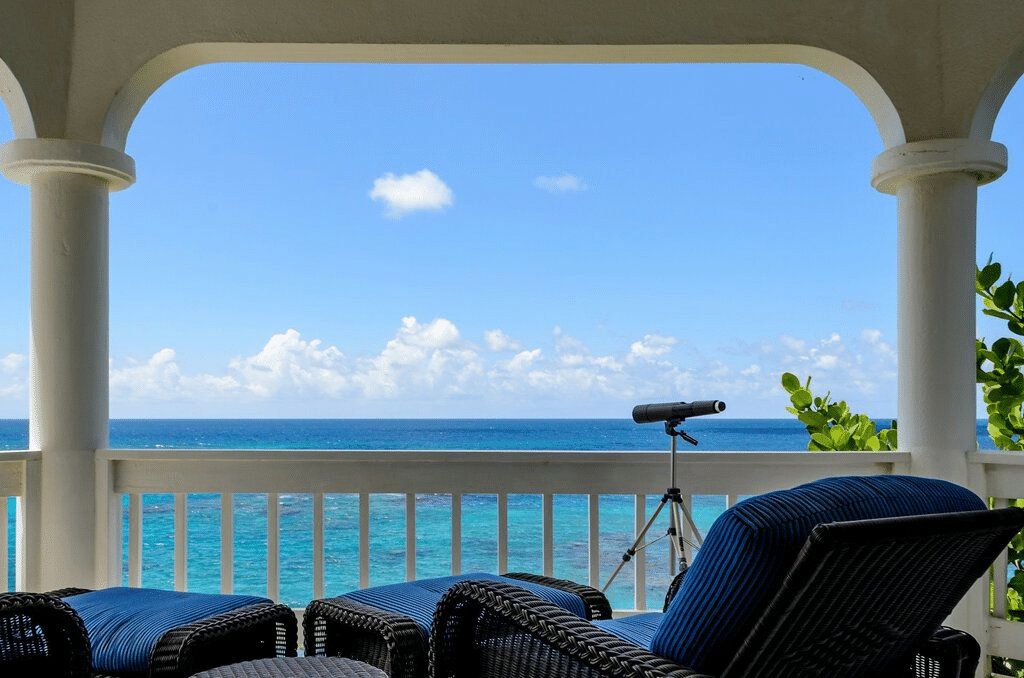
The structure of a romantic weekend changes when the room itself is a destination. In a hotel without a view, the imperative is to be out and doing things. With a well-placed oceanfront room, the room becomes part of the experience rather than just a place to return to.
This matters for couples specifically because shared time without a program is often harder to find than shared time with one. A city itinerary fills itself with decisions: where to eat, what to see, how to get there. Two days at the ocean can involve considerably fewer decisions without feeling unambitious because the environment does the work.
A weekend that makes full use of an oceanfront room typically looks something like this:
- Morning: Slow start with the window or balcony open, breakfast in the room if the hotel offers it, or a short walk to a café before the beach crowds arrive
- Daytime: A mix of time on the beach, time in the water, and time back in the room. The ability to retreat and return without repacking is one of the practical advantages of staying directly on the water
- Evening: Sunset from the balcony or a beachside spot, followed by dinner at a pace that suits the mood rather than a reservation time that was booked three weeks in advance
The absence of rigid structure is not laziness; it’s the point. For couples who spend the week moving at speed, two days of deliberate slowness is its own form of luxury.
Practical Considerations That Affect the Experience
A few things worth thinking through before the weekend:
- Shoulder season timing. Peak summer weekends at oceanfront hotels carry premium pricing and full occupancy. Late spring and early autumn tend to offer better availability, lower rates, and weather that is often more pleasant for extended time outdoors, warm enough for the beach and cool enough for comfort in the evenings.
- Meal planning. The convenience of being on the water cuts both ways. Resort restaurants on oceanfront properties are often good but rarely exceptional, and the pricing reflects the captive audience. Identifying one or two restaurants within a short drive before you arrive means you’re not making that decision when you’re already hungry and trying to stay relaxed.
- What to leave behind. The practical case for an oceanfront weekend is partly logistical; being close to the water means less commuting and more time actually at the water. But the experience is improved significantly by treating the weekend as genuinely offline where possible. The view works better without competition.
Why Some Destinations Work Better Than Others
Not every coastline produces the same quality of oceanfront experience. The combination of water temperature, beach quality, hotel stock, and the surrounding area’s character all factor into whether a weekend feels like a genuine escape or simply a change of location.
Miami’s coastline, for instance, offers a particular combination: warm water most of the year, a hotel market with genuine range from boutique to large-scale, a food scene that operates at a high level, and enough cultural activity nearby to fill a weekend if couples want it.
The city sits close enough to the airport to make a short weekend realistic without travel eating most of Friday and Sunday.
Other coastal destinations offer different trade-offs, more solitude, different architecture, and cooler climates, and the right choice depends on what a couple is actually looking for. The constant is the water.
Once you are in a room with an unobstructed ocean view, the specific destination tends to matter less than expected. The horizon does most of the work.