





























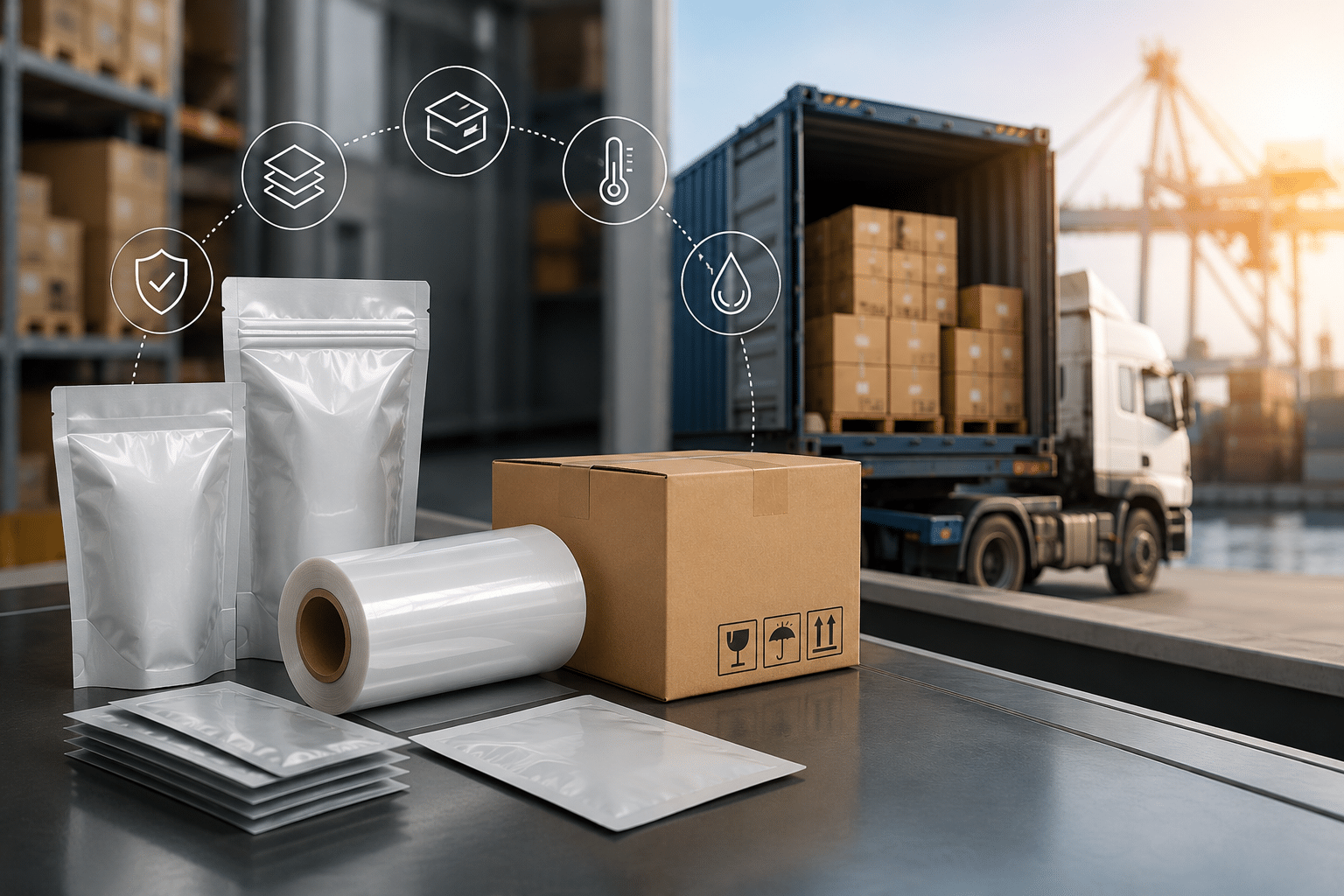
Global logistics isn’t what it used to be. Supply chains are stretching across more regions, shipments are traveling longer distances, and delivery timelines are tighter than ever. On paper, everything may seem efficient. But once goods are in transit, the risks start to build.
So here’s a simple question: what happens when packaging fails somewhere along the way? The answer is often more costly than expected.
A small tear, a weak seal, or poor protection can quickly turn into damaged products, delayed deliveries, and unexpected costs. That said, packaging is no longer just a protective layer. It plays a direct role in keeping operations stable, costs under control, and customer expectations on track. This is why companies like EONSEN Packaging Products, a trusted manufacturer of flexible packaging in China, focus on performance as a core part of packaging design.
Join The European Business Briefing
New subscribers this quarter are entered into a draw to win a Rolex Submariner. Join 40,000+ founders, investors and executives who read EBM every day.
SubscribeThe Growing Risks in Long-Distance Shipping
Shipping products across long distances means they pass through multiple hands, checkpoints, and unpredictable conditions. A single shipment might be loaded, unloaded, stacked, and moved several times before it reaches its destination.
There’s also the physical pressure to consider. Packages are often stacked tightly, exposed to vibration during transport, and handled in less-than-ideal environments. On top of that, temperature changes and humidity can affect both the packaging and the product inside, especially during long transit times.
The challenge is that even small weaknesses don’t stay small. A minor flaw in material or sealing can quickly turn into a larger issue once the journey begins.
The Hidden Costs of Packaging Failures
When packaging fails, the most obvious costs show up first. Damaged goods need to be replaced, shipments have to be resent, and returns start to pile up. These are direct costs, and they add up quickly.
But the bigger impact often comes from what’s less visible over time. Delays can disrupt production schedules, create bottlenecks in warehouses, and put pressure on delivery commitments. Customer complaints take time to manage, and repeated issues can strain relationships.
For B2B companies, reputation is a serious concern. A single failure might be overlooked, but consistent problems can raise doubts about reliability. These costs don’t always appear immediately. They build over time, and by the time they’re noticed, the impact is already harder to fix.
What Packaging Performance Really Means in Practice
Packaging used to be seen as a simple layer of protection. If it could hold the product and survive basic handling, that was often enough. That’s no longer the case. Today, the focus has shifted toward how packaging performs in real conditions.
Performance starts with strength. Materials need to resist punctures, pressure, and impact throughout the journey. Then there’s sealing. A package is only as reliable as its weakest point, and poor sealing can lead to leaks, contamination, or product exposure.
Barrier protection is just as important. Moisture, oxygen, and light can all affect product quality, especially over long transit times. Good packaging is designed to control these factors, not just react to them.
In many industries, flexible packaging plays a key role here, offering a balance of strength, sealing reliability, and barrier performance while remaining efficient for transport and storage.
Put simply, high-performance packaging is about consistency. It delivers the same level of protection from the first shipment to the last.
Why Standard Packaging Often Falls Short
Standard packaging might seem like a convenient choice, but it rarely reflects what actually happens during shipping. Real logistics conditions vary too much for a one-size-fits-all solution to work reliably.
Different products face different risks. For example, fragile electronic components may need protection from static and moisture, while heavier industrial materials require stronger structures to handle weight and pressure. Using the same packaging approach for both can lead to unnecessary damage or inefficiency.
These mismatches often go unnoticed until problems start to appear. That’s when costs begin to rise and reliability becomes harder to maintain. If you’re unsure whether your current packaging is designed for how your products actually move, it may be time to consider a more tailored approach.
A Smarter Approach: Designing for Real-World Conditions
The good part is, many of these risks can be reduced with a more practical approach to packaging design. Rather than relying on assumptions, packaging should be built around actual shipping conditions.
That means testing for real-world factors like pressure, vibration, temperature changes, and long transit times. It’s not just about whether a package looks strong, but whether it performs consistently under stress.
Consistency also matters at scale. A solution that works for one batch needs to deliver the same results across thousands of shipments.
Manufacturers such as EONSEN Pack apply this approach to flexible packaging, focusing on real-world performance to reduce long-term risks.
When packaging is designed this way, it does more than protect products. It helps reduce failures, control costs, and create a more reliable supply chain overall.
What Businesses Should Be Paying Attention to Now
If you’re looking to reduce risk, the first step is to look beyond upfront packaging costs and focus on performance. A lower price doesn’t mean much if failures lead to bigger losses later.
It also helps to identify where problems tend to happen. Are there specific points in the supply chain where damage or delays occur more often? These are usually signs that packaging needs improvement.
Working closely with suppliers can make a difference here. Better materials and smarter structures often come from collaboration, not guesswork. A more proactive approach today can prevent costly issues down the line.
Packaging as a Driver of Efficiency and Trust
At the end of the day, packaging performance is closely tied to how well a business operates. When packaging does its job consistently, it helps keep shipments on track, reduces disruptions, and supports smoother day-to-day operations.
It also builds trust. Reliable deliveries and consistent product quality matter, especially in long-term B2B relationships.
Looking ahead, global logistics will only become more demanding. Businesses that treat packaging as a strategic priority will be better prepared to handle disruptions and stay competitive over time.