































Our online personas are just as active as our physical selves. Businesses are as demanding, relationships and interactions are as complex, and communities are equally defining. The digital realm is not only an additional space but a layer of contemporary personhood that comes with its own set of issues, rights, and responsibilities. For most of us, this means existing at the intersection of privacy and convenience.
The following article will discuss the nuances of online access and security, the numerous ways our sensitive data might be compromised, and how to maintain the delicate balance of online safety. Whether it’s automatic login or a kasyno bez KYC, we are all drawn to solutions that provide the convenience we have grown accustomed to while not compromising our safety. But is it always manageable, or do we sometimes need to choose? Let us find out!
Convenience and Data Collection: Virtual Citizens Between Exploitation and Access
Evaluating the contemporary digital realm is a demanding task. Listening to multiple opinions might tempt us to proclaim ecstatic enthusiasm or condemn it altogether, but reality is more nuanced. Being an online user comes with unique benefits and specific threats, as explored in the sections below.
Join The European Business Briefing
New subscribers this quarter are entered into a draw to win a Rolex Submariner. Join 40,000+ founders, investors and executives who read EBM every day.
SubscribePros and Cons of Living Online
The internet and the numerous 21st-century gadgets have made our lives easier. We can easily communicate across the globe, access information instantly, and personalize our entertainment programs. We can work, study, and enjoy ourselves online, instantly pay our bills, shop from any retailer in the world that delivers to our location, and follow the news in real time.
The world has never been so small before, knowledge so accessible, and routine duties fulfilled without much fuss. Contemporary technology has spared us valuable time and democratized information. Still, companies use our brains against us, attempting to design platforms and sites to steal our money, time, and energy, tricking us into staying engaged longer than necessary.
Algorithms follow our behavioral patterns to predict our future steps and coerce us to buy a product or use a service, so multiple online sources end up with our sensitive data. Although it is impossible to avoid online dangers, let us explore the options available for a more balanced digital presence.
Creating Safety Without Friction
Average virtual citizens are contradictory. They want safety but have grown accustomed to absolute convenience and instant access to everything. The casual approach often leads to carefree behavior that is only questioned after an unpleasant experience. Websites and platforms are well aware of this need for subtle protection and are diligently improving and designing systems that provide convenience of use as well as robust security.
Automatic Verification
Authentication methods such as biometric face or fingerprint recognition allow us to engage with online content without frustrating delays. Many high-security online operations require verification at every step to avoid potential issues, but people get frustrated if they are required to create unique passwords for every site or constantly confirm an action via SMS or email. Such scenarios are easily resolved with biometric confirmation since it reduces a lot of steps and simultaneously provides top-notch security.
Password Management and SSO
A tool that memorizes our passwords and single sign-on options simplifies the overly complicated need for multiple diverse passwords and repeated logins, ensuring our online experience is convenient, even if we are supported by a robust and layered security system.
Online providers rely on additional layers of encryption and multiple-step authentication methods to boost security, but they are also focused on their seamless integration to ensure the user experience is not interrupted. It is a difficult task that requires cooperation between different experts and reliance on all available technologies.
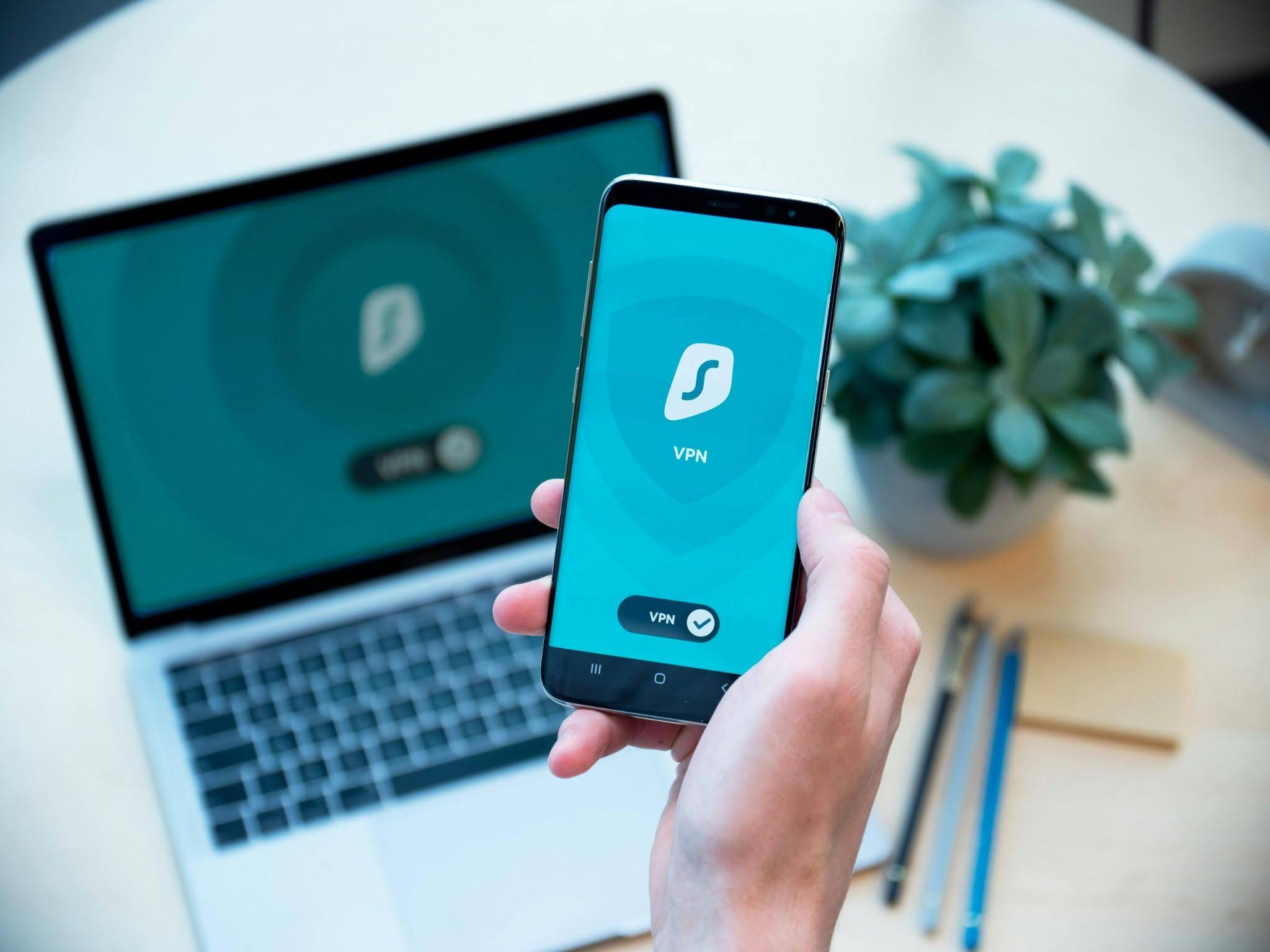
VPNs, Firewalls, and Anti-Trackers
Many people use anti-tracking programs or VPNs to ensure their online behavior is not tracked and to keep their personal information off the internet. Still, these safety methods may require you to constantly enter your data because they don’t block you from accessing your usual, routine sites. Therefore, if you rely on them, adjust your preferences in the program settings, such as unblocking the sites you often use.
The Ethics of Surveillance
The question of surveillance has always been tricky. Although institutions justify the practice by claiming that the major motive is citizen safety, we have seen too many misuses of technology to trust such methods.
To ease the friction and build trust between websites and individuals, it is vital to transparently communicate the rules behind surveillance and make sure to focus only on security issues. “Renowned online casinos rely on AI surveillance specifically in cases of potentially dangerous and addictive behavioral patterns from player profiles, which is an example of how online following is utilized to protect rather than exploit people,” says Kuba Nowakovski, a gambling expert and an author at KasynaOnlinePolskie.com.
How to Boost Online Security: Becoming an Active Consumer
Sometimes, we are all guilty of being too passive on the internet. We want what we want, and we want it now. These spoiled attitudes alongside our carefree demeanor may result in dangerous situations. However, becoming more active and alert while browsing will keep us safer.
We should be more involved in online decision-making. For instance, we might choose a no KYC online casino, crypto gambling, or a prepaid card for online shopping to avoid entering our credit card numbers on websites or other sensitive data. Identity and asset theft are serious possibilities; therefore, we must evaluate the level of risk for each online decision and adjust the security measures accordingly.
Also, even though it can be tedious, we should cultivate the habit of reading the information provided by a site on how it uses our information instead of just instantly clicking away. A pleasant user experience is important, but only when accompanied by critical thinking and awareness. In other words, even though designs are becoming better and better, we sometimes have to sacrifice a small piece of our convenience to remain safe.
Conclusion
Although online safety should come first, many individuals stop engaging with a platform and even abandon online shopping if they estimate the websites to be too complicated. Therefore, providers have been challenged to pay attention to user experience while designing their online security systems.
Seamless internet communication and interaction require both safety and a pleasant user experience. The dynamic between the two is ever-evolving, with security systems becoming better at providing convenience and individuals growing more knowledgeable and aware of their digital surroundings.
We have normalized biometric recognition for sensitive online operations and reliance on prepaid cards or no KYC platforms for less risky environments, where we nevertheless want to protect our personal information. Security systems, just like users, have developed a higher level of adaptability, which is the key ingredient for achieving a satisfactory balance between online privacy and consumer convenience.






