
































The volume side of this business is huge. Funko alone ships tens of millions of Pop! figures a year at ten to fifteen dollars each, but the real growth in fantasy licensing has moved into far fewer pieces sold at far higher prices instead.
The product itself has changed too. A license that once meant one high-volume toy line now spins off numbered editions, ticketed events and paid fan memberships, so a studio’s licensing office behaves like an auction house that also runs a theme park.
Collectors feel this first. Six forces are driving the change, and each one alters how a collectibles range gets built, priced and sold across a calendar year.
Join The European Business Briefing
New subscribers this quarter are entered into a draw to win a Rolex Submariner. Join 40,000+ founders, investors and executives who read EBM every day.
Subscribe1. Functional Armour Rewards Fit Over Finish
Functional armour has to stand up to being worn, not just displayed. Buyers judge it on steel gauge and weight, articulation at the elbow and knee, and whether the helm still gives usable vision once the visor is down.
Padding matters as much as the steel. A quilted gambeson or a padded arming coat underneath absorbs impact and manages heat, and a suit sold without one is not really ready to wear.
A reenactment group or combat-sport federation sets its own minimum for joint coverage and material thickness. Medieval Collectibles’ display-ready knight armour is sold as fully articulated steel suits with a wooden display base, so buyers can judge fit and finish before committing.
Endurance is the real test. A well-fitted suit stays wearable for hours at an event or a bout, while a badly fitted one turns unbearable long before the steel gauge would ever explain why.
2. Creator-Led IP Turns Manufacturers Into Named Studios
Trust in a maker’s name is not limited to armour buyers though. Hasbro and Mattel built the old high-volume model on broad licenses with no artist’s name attached, while Sideshow Collectibles and Kotobukiya now sell the opposite, crediting a specific sculptor directly on the packaging itself.
That credit is not decoration. Good Smile Company’s Nendoroid line credits a named designer on every figure, and that credit is why a four-inch vinyl piece can sell for fifty to eighty dollars instead of toy-store prices.
A named creator changes the math. It gives a fifty-dollar vinyl figure the same provenance argument that a gallery print or a limited sneaker release relies on to hold its resale value over time.
3. Limited Editions Make Provenance Part of the Product
A number has to mean something. CGC and PSA built entire grading businesses on exactly that problem, encasing a comic or a trading card with a certified grade and a serial number a buyer can check independently.
Fantasy collectibles copy that logic. A certificate of authenticity, a numbered base plate, or a matched production run of five hundred pieces all do the same job of proving scarcity is real rather than marketing copy.
An unpublished number is not a limit. A production run with no public figure attached is only a claim, which is why buyers increasingly ask for the run size before they ask about the price.
| Pro Tip: Ask for the published run size before paying a “limited” premium. An unpublished number is not a verifiable limit. |
4. Online Communities Now Set the Price Floor
Communities now do that pricing job. Discord servers and subreddits like r/Gunpla handle the price discovery an auction house used to do, deciding within hours of a drop whether a piece is a grail or a pass.
Livestream platforms go a step further. WhatNot and similar services turn that same community into a real-time marketplace, where a seller narrates condition and provenance on camera while bids move through the chat below.
Fakes get caught fast too. A recast resin kit or a bootleg vinyl figure gets called out publicly within a day of a group buy shipping, a faster and harsher check than most manufacturers run themselves.
5. Live Events Turn Collecting Into a Shared Experience
That same community turns up in person too, not just online. Comic-Con International proves the appetite: the San Diego show draws roughly 135,000 attendees most years, and a large share of them is there for panel exclusives and artist signings rather than the general show floor.
Cross-media storytelling multiplies the effect. The same intellectual property now spreads across a game, a streaming series and a comic run inside one calendar year, and each format seeds its own collectible tie-ins along the way.
Immersive formats go further still. Secret Cinema in London and pop-up experiences for shows like Stranger Things both charge admission for a story fans already own on a screen at home.
That is the whole appeal. A fan pays for the chance to stand inside a story rather than watch it again, and the ticket price for that access now regularly beats the merchandise sold at the same event.
6. Resale, Storage and Authenticity Carry Real Risk
Resale is where the claims get tested. Platforms like eBay now run authentication programs for cards and sneakers because self-reported grading was never enough on its own to stop fraud.
Counterfeit risk is organized, not rare. US Customs and Border Protection reports seizing counterfeit goods at the border every year across dozens of categories, collectibles included alongside apparel and electronics.
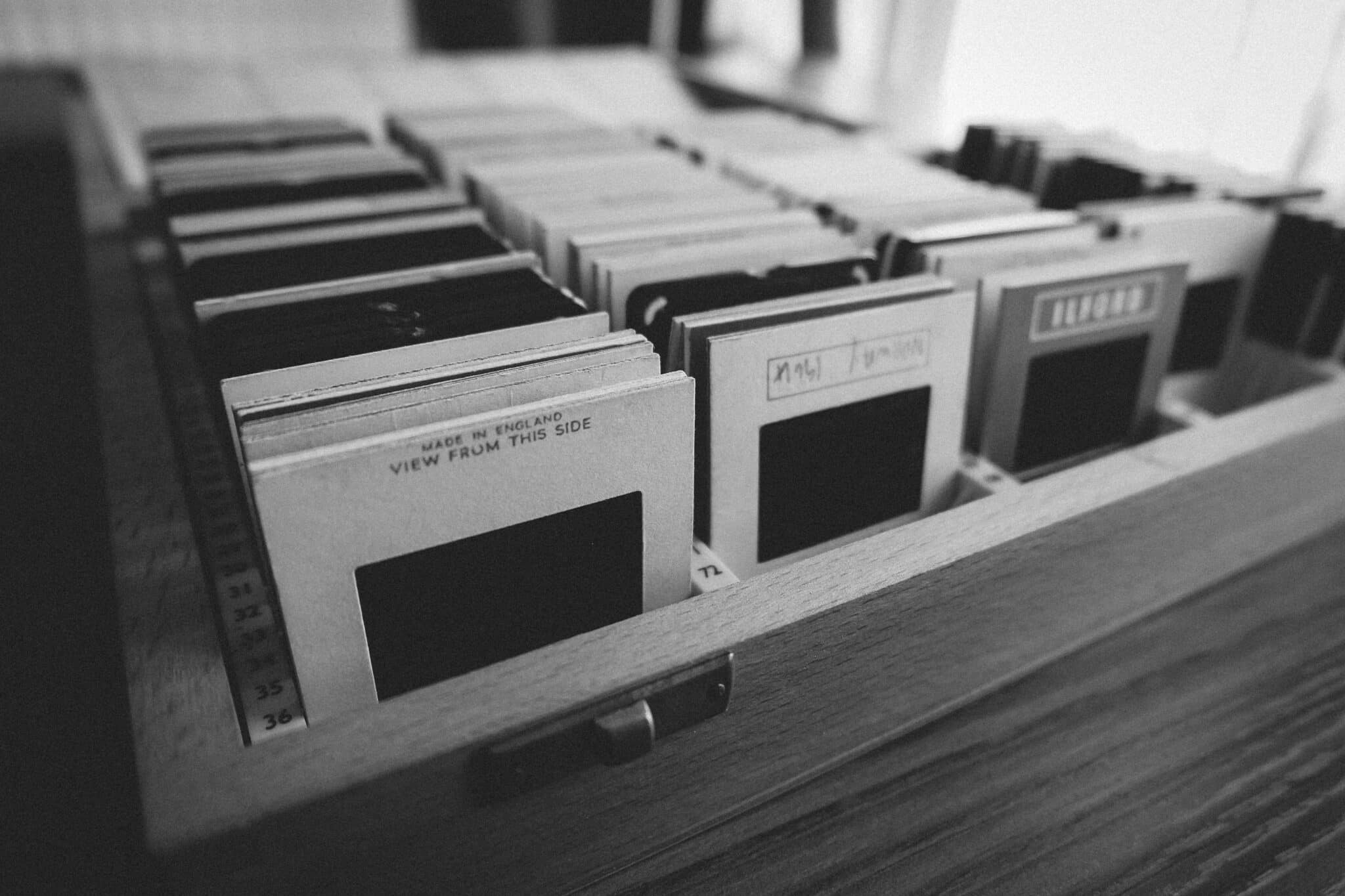
Storage carries its own damage risk. UV light fades vinyl and resin within months, and the Northeast Document Conservation Center’s environment guidelines put the recommended range for paper and card at 30 to 60 percent relative humidity, and warn that mould risk climbs at the upper end, a level a display shelf passes long before anyone notices.
Archives already solved this problem. Many specify acid-free, lignin-free boxes to keep paper and cardboard packaging from yellowing, and a collector who skips that detail is trading a few dollars now for a damaged box later.
None of it argues against buying. It is a reason to keep the box, the certificate and the receipt together, since that paperwork is exactly what a buyer checks before agreeing to the next sale.
Your Next Steps
Durable value follows a pattern. A named creator, a published run number and paperwork that survives a resale all point toward the same six forces described above, and all three tend to show up together or not at all.
Hype follows the opposite pattern. No credited maker, no stated run size, and a price that only makes sense inside a livestream chat all signal the same thing, and that gap closes fast once the chat moves on.
Check the run number first. Compare it against the manufacturer’s own listing rather than the seller’s claim, and if that number does not exist anywhere official, the piece is priced on hype rather than on the forces that actually hold value.






