




























What does it take to successfully establish a circular economy model? Before you can benefit from the competitive advantages this sustainable economic system offers, you need to know what its foundational building blocks look like.
What Is a Circular Economy Business Model?
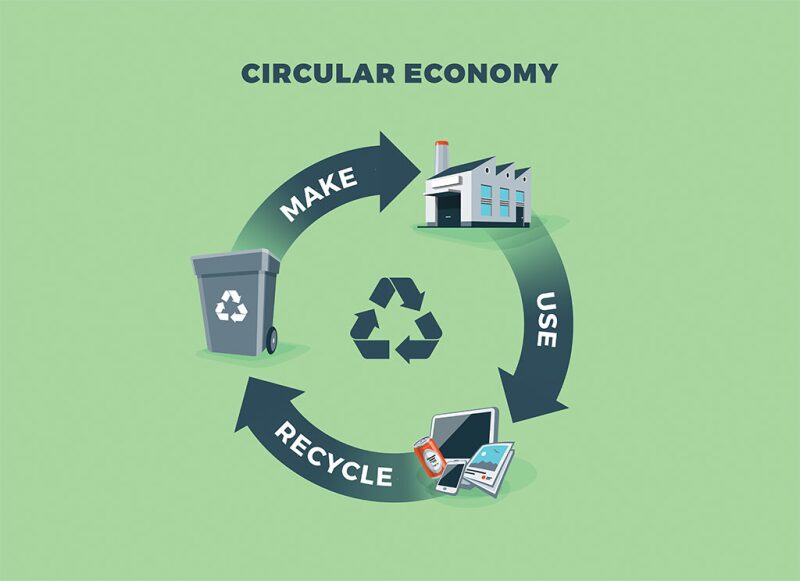
A circular economy business model is an alternative economic system that applies sustainable concepts to the logical relationships between design, production, distribution, and consumption. It is a closed-loop approach that prioritizes recycling, reusing, repairing, or refurbishing products at their end-of-life stage instead of turning them into waste.
This regenerative business model aims to minimize environmental, social, and climate damage while driving value for stakeholders. It is most common in supply chains, where products are kept in circulation by recovering and recycling materials. However, you can apply it to almost any aspect of operations.
Join The European Business Briefing
New subscribers this quarter are entered into a draw to win a Rolex Submariner. Join 40,000+ founders, investors and executives who read EBM every day.
SubscribeA circular economy is catching on, thanks to increasing consumer awareness and lasting sustainability trends. Experts expect its global value will increase from $339 million in 2022 to $526 million by 2028, achieving a compound annual growth rate of 7.59%. If management wants to adopt this business model, now is the time.
Examples of a Circular Economy Model
A circular economy approach can involve sharing, repairing, leasing, reusing, recycling, or refurbishing as long as products, resources, or products-as-a-service stay in the loop — and remain there for as long as possible. Which one a firm chooses to implement depends on its offerings, target market, and business model.
Circular product design is a typical example of this alternative economic system. Here, a company explicitly considers sustainability during product development, ensuring items can be repaired, recycled, or reused when they reach their end-of-life stage.
Service-based organizations — or those who can’t make their products recoverable — can apply circular principles to internal processes. They can opt for reusable building or administrative options to minimize waste.
In a circular service business model, companies retain ownership of their product-as-a-service while allowing customers to use it temporarily. For example, a subscription-based clothing company could lease outfits. Sharing economies and take-back programs provide incentives to extend products’ life spans.
Businesses using a closed-loop system create products or packaging that are supposed to be returned instead of thrown out. For example, a makeup brand could request customers send back their empty containers for reuse.
The Benefits of a Circular Economy Model
Your business could benefit substantially from a circular economy model. After all, simply becoming more sustainable is enough to improve your employee retention and productivity rates. Workers who feel heard are 4.6 times more likely to perform to the best of their abilities. People appreciate it when you align the workplace with their beliefs and morals.
Customers feel the same way. According to a 2023 survey, millennial and Generation Z consumers are 27% likelier to do business with a brand that cares about its environmental impact. Appeal to them by prioritizing reducing waste, improving efficiency, and lowering greenhouse gas emissions.
Of course, quantitative benefits also exist. According to one case study, circular models are cost-effective. One construction equipment manufacturer reported that 91% of eligible end-of-life equipment was returned in 2019, representing a $194 million value in materials. Offering like-new products at reduced cost also extended equipment life span significantly.
4 Steps to Develop a Circular Economy Model
Establishing a circular economy model in business requires four main steps:
-
Determine the Feasibility of Model Implementation
You must determine how easy it will be to generate value from end-of-life products. What percentage of materials is recoverable? How long will deconstruction, processing, and remanufacturing take? Answering questions like these helps you justify your investment.
-
Align the Strategy With the Company’s Capabilities
Why are you adopting a circular economy business model? In North and South America, 53% of companies reported they invested in one because it was the right thing to do, and there were financial incentives — only 10% did because of regulations or pressure from the public.
Clarifying your decision helps you align your strategy with your company’s resources, capabilities, and goals. This way, you can determine the scope of your commitment and decide what you want to ultimately get out of implementation.
-
Figure Out How to Incentivize Customer Participation
How will you get products back once they reach their end-of-life stage? Your reverse supply chain only works if you have something to reuse, recycle, or refurbish. You must determine how to incentivize customer participation, whether through discounts, memberships, or reminders.
-
Set a Baseline to Track How Far the Company Comes
Establishing a baseline for critical metrics helps you determine how a circular economy impacts your organization. Consider monitoring factors like reputation, customer retention rate, revenue, and review tones.
Measure Your Post-Implementation Impact
Once you understand how to establish a circular economy model in business, you need to measure its impact to identify pain points and areas of opportunity. This way, you can optimize early on to maximize your benefits.