Compare suppliers for aircraft windows, cockpit displays, cabin surfaces, exterior washes and workshop cleaning. Then use the buying checklist to qualify the exact product.
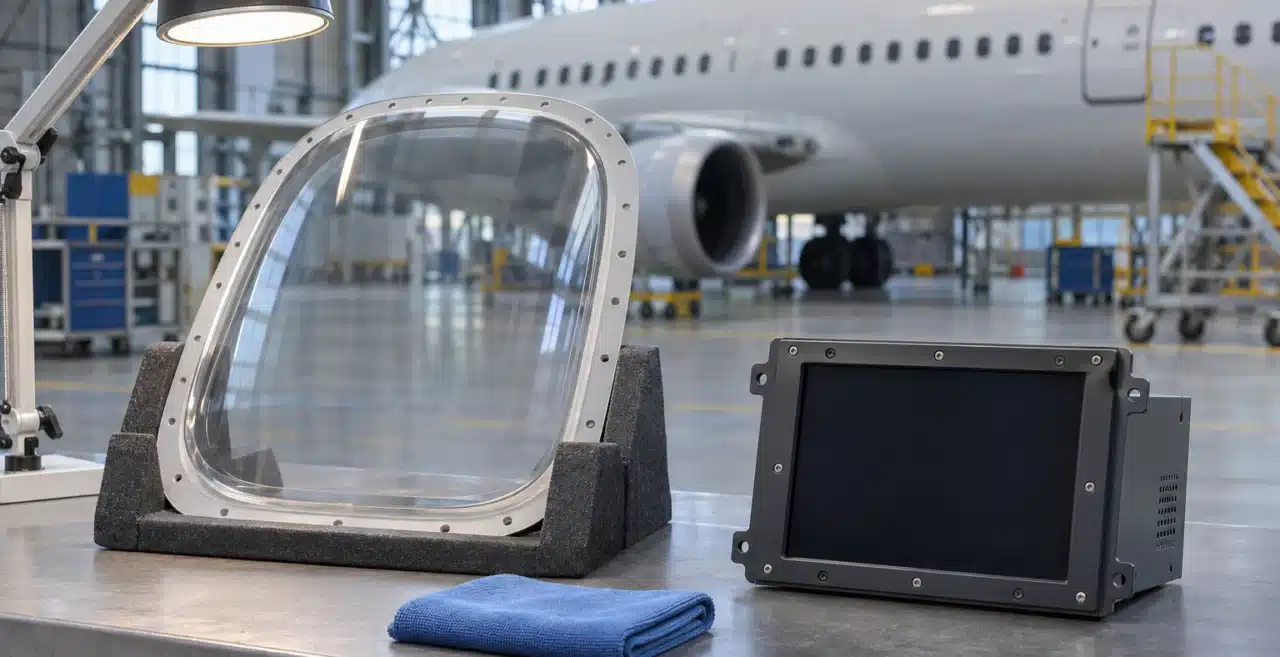
An aircraft window and an avionics display call for separate product checks. AI-generated editorial illustration.
An airline taking on a new aircraft type may need to open several lines on its cleaning contract before the first aircraft arrives. A window cleaner, a cockpit display wipe and a fuselage wash can all be described as “aviation cleaners” in a catalogue. Each goes on a different surface and requires its own check against the applicable instructions. This is where the purchase can go wrong. A buyer gets a quote for the right brand or a familiar standard, then discovers the offered product does not match the task or pack specified by engineering.
Join The European Business Briefing
New subscribers this quarter are entered into a draw to win a Rolex Submariner. Join 40,000+ founders, investors and executives who read EBM every day.
SubscribeFour suppliers with UK or continental European operations or sales contacts illustrate the choices. The shortlist uses published applications, named products and available technical documentation. The order follows the kind of work each supplier is most useful for, beginning with windows and displays. Shelf life on arrival, stock and the exact approved use still depend on the order. This article was prepared for Alglas.
Why aircraft cleaning takes more than one product
Start with the part and what needs to come off it. Fingerprints on an instrument display, residue on an outer window and grime on a coated fuselage may look like similar jobs in a supply catalogue. The affected surfaces have different materials, coatings and adjacent components. The consequences of choosing the wrong product range from visible smearing and rework to damage that requires maintenance attention. Dassault’s Falcon guidance points to separate maintenance tasks for windows and windscreens and for display units.
Under EU Part-145 rules, maintenance organisations must be satisfied that raw and consumable materials meet the required specification and have appropriate traceability. Put differently, the stock record has to tie the product being issued to the work the team is authorised to perform. A safety data sheet helps with handling and storage. Product technical data describes the intended application. The applicable maintenance instructions establish the requirements for the actual job.
| Supplier | Start here if you need | A product to discuss | What to confirm first |
|---|---|---|---|
| Alglas | Aircraft windows or flight deck displays | AGC/22 for windows or Visial ALG/CR215 for displays | Exact window or display task and coating |
| Cee-Bee | Overhaul or specialist workshop cleaning | A-477 hot-tank paint and carbon remover | Component process, material compatibility and tank capability |
| Socomore | A dedicated exterior wash | SOCOCLEAN Exterior Aircraft Cleaner | Fuselage surfaces, wash equipment and local handling |
| Callington | Several cabin cleaning products from one range | Aero Carpet Cleaner or Ki-Kleen for eligible cabin tasks | Fabric versus hard surface and any separate disinfection requirement |
1 Alglas for aircraft windows and instrument displays
Brixham-based Alglas makes separate products for aircraft windows and displays. Its AGC/22 Aircraft Glass Cleaner is made for cockpit windscreens and passenger cabin windows. Alglas lists 1-litre, 25-litre and 205-litre formats for AGC/22, with the 1-litre bottles packed 12 to a carton. Visial ALG/CR215 is a paired wet and dry wipe developed for instrumentation.
The decision turns on the surface in front of the team. A procurement request for “screen cleaner” should name the display or instrument model and confirm the applicable cleaning instructions. The window enquiry should identify the window and whether it is the inside or outside surface. That gives the supplier and engineering team a way to assess the exact product, including any restrictions on a coating. A small base may also want a different pack from a hub. In a hypothetical first order, a base using three 1-litre bottles a month would go through a 12-bottle carton in four months. That exposes a useful purchasing question. Can the station consume the pack within the remaining shelf life, and does its storage and dispensing setup suit that size?
2 Cee-Bee for workshop and overhaul cleaning
Cee-Bee covers applications that reach well beyond the cabin, including parts cleaning, chemical processing and engine overhaul. Its A-477 is an alkaline hot-tank product for removing paint and carbon. It makes sense as an enquiry for an eligible workshop process with the right equipment. A maintenance organisation can look up product and specification entries in the supplier’s OEM directory and obtain the technical sheet for the proposed product. The brand’s sourcing material lists McGean-Rohco as its UK contact.
Explain whether the job is a surface wash, component degrease or removal of a deposit within a documented overhaul process. If a shift supervisor asks for a substitute, have them identify the exact work instruction and equipment already in use. Two products can both be called carbon removers and still have different restrictions. A supplier’s listing gives engineering a lead to check before stores receive an order.
3 Socomore for exterior aircraft washing
France-based Socomore offers a dedicated SOCOCLEAN Exterior Aircraft Cleaner for applications including fuselage and landing gear. Its ground handling range also includes separate interior cleaners for jobs such as carpet and hard-surface care. This distinction helps if the request covers a fleet wash at several locations. The outside wash can be specified and priced on its own.
For an exterior wash, compare how the product will arrive, how each station can use it under the approved process, and how the site handles runoff. Two bases may receive the same container and have different wash facilities. Ask for the intended pack, the documentation for the exact use and any equipment or handling requirements up front. Compare usable volume under the applicable instructions and stock turnover alongside the drum price. A lower price per litre of concentrate tells you little about the cost of a completed wash on its own.
4 Callington for cabin service supplies
Callington’s aviation range includes a carpet and cloth-seat spot cleaner, hard-surface products such as Ki-Kleen, and lavatory products. Its MRO brochure lists both Callington UK and PSA in France. A cabin buyer can ask one supplier about several lines while still giving every product its own job.
Specify the substrate and the result needed. Cleaning a mark on a fabric seat is a different brief from disinfecting a specified hard surface. Where disinfection is required, request the exact product label, authorised use in the relevant market and the operator’s aircraft compatibility evidence. Also check whether the required conditions are practical for the time and access available at that stop. A buyer that asks for “one cabin cleaner” may unintentionally bundle products with very different uses and rates of consumption.
What to look for in the quotation
Give every application its own row. Include the aircraft or component reference, the surface, the job and the applicable task or material specification. Ask for the proposed manufacturer and product code, the pack and minimum order, current technical and safety data sheets, lot traceability and remaining shelf life at delivery. Add separate fields for lead time, regional stock and substitution.
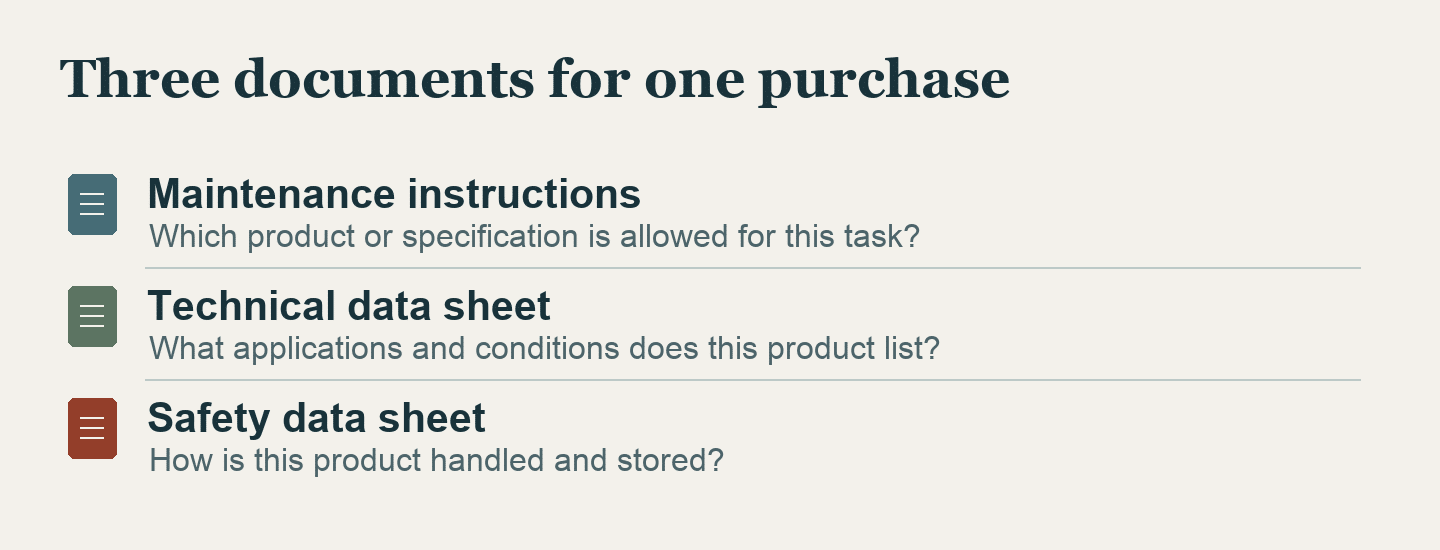
Consider a quote that lists one product for both an acrylic cabin window and an instrument display. If the response only includes a safety data sheet and a generic suitability statement, get the application evidence for each line. The windows may be ready for technical review while the display remains open. Record that status separately so a pending display decision does not delay the entire order. The final check is simple. When stores issue the product, can the team see exactly which task and surface it was accepted for?