





























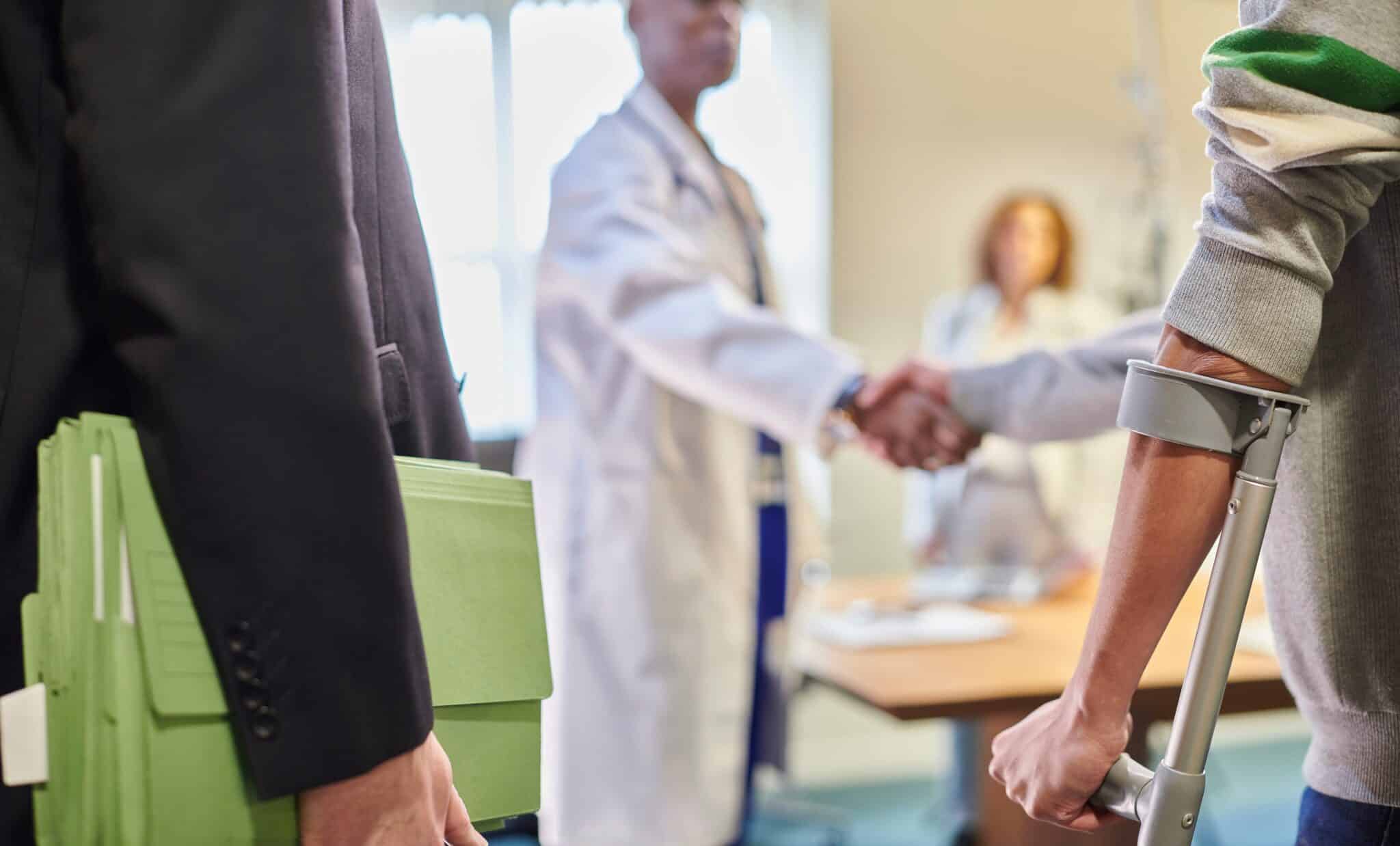
It’s pretty normal for most people to think that they become injured, go seek out medical attention, and then after a few weeks they’re back to their normal selves. While this is true with simple sprains, bruises, and minor cuts, there are many other injuries such as those that can happen after a motorcycle accident that require months or even years of specialized medical care. These include things like internal organ damage, nerve, muscle, joint, bone, or even brain damage. These all create long-term complications that require specialized treatment from various healthcare professionals.
These specialists have advanced training when it comes to managing, treating, and diagnosing these complex injuries. Their expertise is great for restoring function, reducing pain, preventing further complications, and enhancing your overall quality of life. Taking the time to understand why some injuries require ongoing specialist care can help you recognize the importance of following your treatment plan. It can even give you much-needed motivation to stay committed to your recovery plan for the long term.
Understanding Specialist Care
The term specialist care refers to healthcare professionals who have advanced training in specific areas of the medical field. These physicians provide treatment and diagnosis for particular conditions, types of injuries, or even bodily systems. It’s common for a lot of patients to work with multiple specialists throughout their entire recovery. This is because complex injuries tend to affect more than one part of the body.
Join The European Business Briefing
New subscribers this quarter are entered into a draw to win a Rolex Submariner. Join 40,000+ founders, investors and executives who read EBM every day.
SubscribeSome common examples of specialist care include pain management specialists, neurosurgeons, neurologists, orthopedists, hand specialists, pulmonologists, and cardiologists. It’s important to know that these are just a handful of the hundreds of different specialties available for recovering patients.
When you undergo a severe injury after a motorcycle crash, it places a tremendous amount of stress on your body. Areas like cartilage, tendons, ligaments, bones, nerves, and even internal organs regenerate very slowly and receive limited blood flow. This requires extensive treatment and longer recovery times. Some common examples of injuries that require specialist care include spinal cord injuries, traumatic brain injuries, multiple fractures, torn ligaments, burns, and internal organ damage. It’s crucial to know that healing times will vary tremendously depending on the severity of the injury and its particular location. Additionally, the patient’s overall health and age play a role in recovery time.
Orthopedic Injuries Require Ongoing Care
When it comes to orthopedic injuries and broken bones, patients require ongoing care after the initial treatment from their event. Orthopedic specialists will pay particular attention to joint alignment, hardware placement, bone healing, your range of motion, your muscle strength, and even signs of conditions like arthritis. Patients who have to undergo orthopedic surgery often need multiple imaging studies, follow-up appointments, and even rehabilitation. This all ensures proper healing.
Ongoing Monitoring for Brain Injuries
Traumatic brain injuries, also known as TBIs for short, can range anywhere from a mild concussion to severe brain trauma. While many of these injuries can initially appear very mild, they can produce lingering symptoms. These symptoms can interfere with a patient’s day-to-day life and their overall quality of life. Many patients will experience issues like dizziness, memory problems, chronic headaches, difficulty concentrating, and even mood changes. They may have disruptions to their vision, balance problems, and sleep disturbances.
Patients typically work with rehabilitation physicians, neuropsychologists, neurologists, and even therapists to help regain both physical and cognitive function. Traumatic brain injuries typically require recovery processes that can last from months to even years following the original injury event.
Nerve Injuries Require Months to Years of Ongoing Care
Any good personal injury lawyer knows that nerve injuries can take anywhere from months to years until a patient is fully recovered. This is because nerves regenerate much more slowly than other tissues throughout your body. Following any sort of traumatic injury involving damaged nerves, you’ll need to see a neurologist or a neurosurgeon to properly monitor your recovery and let you know if additional treatments are necessary.
Many patients deal with symptoms like reduced sensation, loss of coordination, burning pain, muscle weakness, tingling sensations, and even persistent numbness. Sometimes nerve damage may be determined to be permanent and require long-term symptom rehabilitation and management. An experienced motorcycle accident lawyer like the attorneys at Thomas Law Offices will account for this type of damage and ongoing care required.
Delicate Spinal Injuries Require Constant Monitoring
The spine is an extremely delicate structure that supports your ability to move throughout your entire body. Any injuries to the back or the neck can lead to things like spinal instability, nerve compression, and herniated discs. Patients can experience compression fractures, spinal cord trauma, or even ligament issues. Specialists need to monitor healing throughout every part of a spinal injury with physical examinations, neurological testing, and imaging studies.
Patients will typically receive physical therapy, pain management, and epidural injections. They may need surgery, rehabilitation, and long-term exercise programs. Because the spine is so delicate, it requires specialized care to restore functionality in a safe and effective manner.
Ongoing Chronic Pain After Injury Events
One of the biggest problems when it comes to recovery from many different injuries is dealing with ongoing pain. Many times, pain persists long after the damaged tissues appear to visually heal. Chronic pain can happen from muscle dysfunction, joint degeneration, scar tissue, nerve damage, chronic inflammation, and even central nervous system changes. Proper pain management from specialists will help to improve function while reducing patient discomfort.
Some of these pain management solutions include nerve blocks, trigger point injections, physical therapy, radiofrequency ablation, behavioral therapy, lifestyle modifications, and medications. These can all be used to help with managing chronic pain. Pain management specialists will create individualized treatment plans for each patient based on their specific injuries and complaints.
Psychological Recovery Can’t Be Overlooked
Many traumatic bodily injuries inflicted after a motorcycle accident affect more than just the physical body itself. Patients experience emotional challenges following severe accidents. These include things like mood changes, fear of driving, sleep disturbances, and depression. Some experience anxiety and post-traumatic stress disorder, also known as PTSD. Ensuring mental health professionals provide therapy, counseling, and coping strategies is all part of a great overall recovery plan.






