































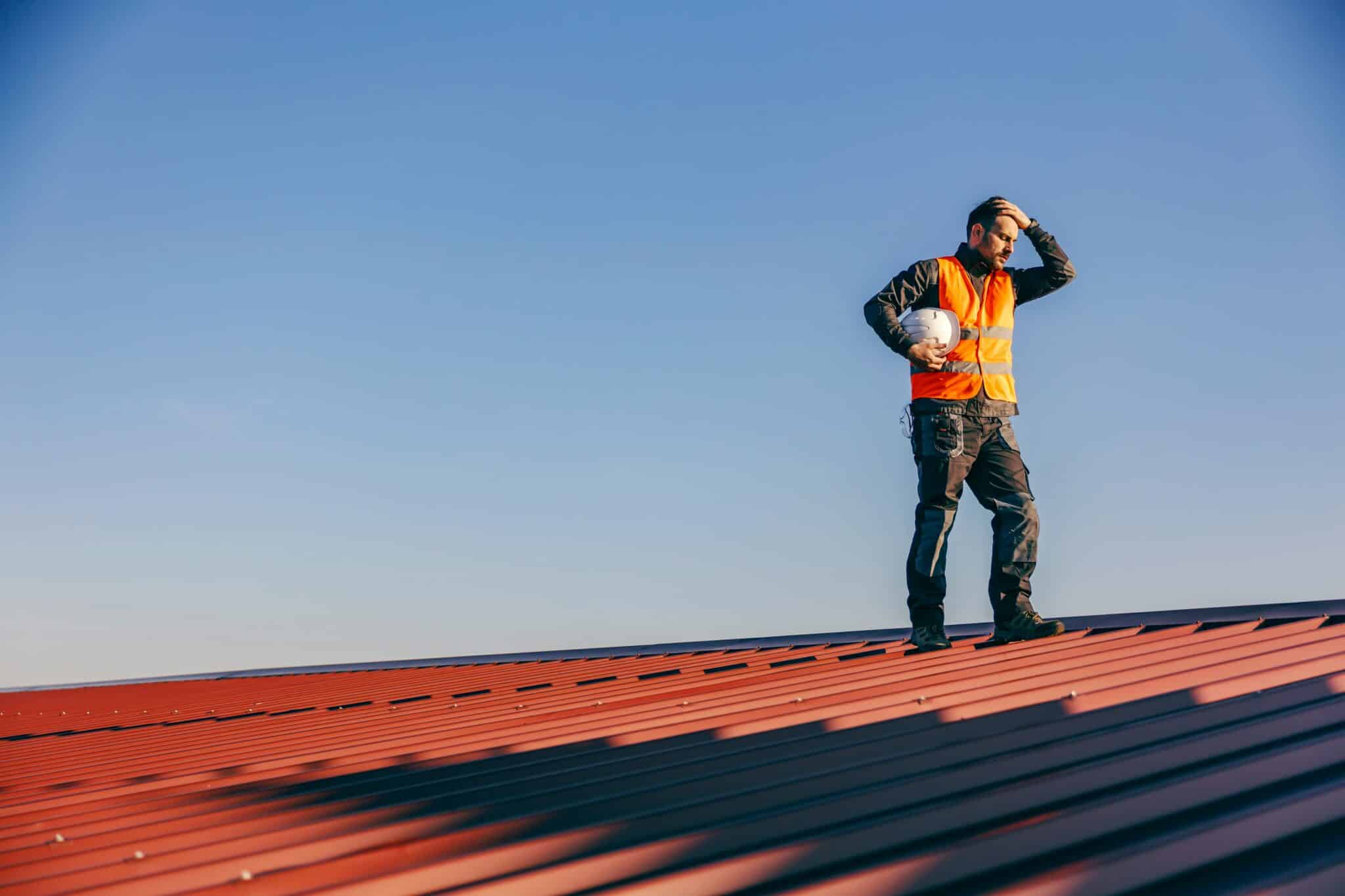
Business risk management often focuses on financial pressures, cybersecurity, supply chains and day-to-day operational challenges. However, physical workplace risks are just as important. For organisations responsible for commercial buildings, rooftop safety should form part of the wider approach to protecting employees, contractors, property and business continuity.
Roofs may only be accessed occasionally, but maintenance, inspections, repairs and equipment servicing can expose workers to significant hazards. Managing those hazards proactively can help businesses create a safer and more controlled working environment.
Rooftop Hazards Can Have Serious Consequences
Commercial rooftops can contain numerous hazards, including unprotected edges, fragile surfaces, rooflights, changes in level and obstacles created by pipes, ductwork or other building services.
Join The European Business Briefing
New subscribers this quarter are entered into a draw to win a Rolex Submariner. Join 40,000+ founders, investors and executives who read EBM every day.
SubscribeThe fact that roof access is infrequent does not make these risks less important. A contractor carrying out a short inspection or an employee checking equipment may still encounter potentially dangerous conditions.
Businesses should therefore consider who might need roof access, how often access is required and the hazards they could encounter. This allows rooftop risks to be addressed before work begins rather than relying on workers to solve problems once they are at height.
Safe Access Should Be Planned
Providing a way onto a roof is only part of the safety equation. Businesses also need to consider how people will move around once they are there.
Clearly defined access routes can help keep workers away from hazardous areas and make routine tasks easier to complete safely. Where pipes, ducts or other rooftop services obstruct a route, purpose-designed access equipment may provide a safer way to cross them. Solutions available from Kee Safety can help businesses create appropriate access over rooftop obstacles without workers having to climb directly over them.
Other measures may include walkways, guardrails, designated working areas and suitable access points. The right combination will depend on the building, the work being completed and the risks identified.
Risk Assessments Should Include the Roof
A comprehensive workplace risk assessment should not stop at areas occupied every day. Rooftops, plant areas and other less frequently accessed spaces should also be considered.
Businesses can review the condition of the roof, access arrangements, fragile materials, edges and potential trip hazards. They should also consider who is authorised to access the area and whether those individuals have suitable training and information.
Assessments should be reviewed when circumstances change. New equipment, building alterations or changes to maintenance procedures could introduce hazards that were not previously present.
Good Safety Management Supports Business Continuity
A serious rooftop incident can have consequences beyond the immediate injury. Work may be interrupted, projects can be delayed, and management time may need to be redirected towards investigations and corrective measures. There may also be financial and reputational consequences.
Preventative safety measures can reduce the likelihood of these disruptions. They also make expectations clearer for contractors and employees carrying out maintenance or inspections.
Make Rooftop Safety an Ongoing Priority
Rooftop safety should not be treated as a one-off compliance exercise. Buildings and working practices change, which means access arrangements and control measures need periodic review.
By including rooftop hazards within wider business risk management, organisations can take a more complete approach to workplace safety. Identifying risks, planning access and maintaining appropriate protective measures helps ensure that essential work at height can be carried out in a controlled and responsible way.