





























In today’s work environment, companies are expected to care for the total wellbeing of their employees, not just their performance. While private medical insurance is often seen as a key benefit, dental care is sometimes overlooked.
This is surprising, as oral health is closely linked to overall health. Offering a dental plan should no longer be considered a luxury. It should be treated as an essential part of any employee benefits package.
Dental problems are common and affect people of all ages. In the UK, around 9 in 10 adults have some form of gum disease, ranging from mild to severe. Tooth decay is also one of the most widespread health problems, with almost one in three adults having untreated cavities at any given time. Without easy access to dental care, these issues can quickly get worse.
Join The European Business Briefing
New subscribers this quarter are entered into a draw to win a Rolex Submariner. Join 40,000+ founders, investors and executives who read EBM every day.
SubscribeIn most cases, a business health insurance policy offers employees a health cash plan, so employees can also have access to a set amount of dental, physio appointments and optometrists. You may find that the cash plan contributes towards the basics or a certain amount, which the employee then has to top up, which could be for something like crowns or dental implant treatment.
The benefits of having a dental plan are many, as highlighted in this piece.
Improved health and reduced absence
When employees have access to a dental plan, they are more likely to attend routine dental check-ups and deal with problems early. Preventative care such as scaling, polishing and routine exams can stop small problems from becoming serious conditions. This means fewer emergency dental appointments and fewer days off work due to pain or infection.
Toothache and gum infections can be extremely painful and distracting. An employee who is suffering from oral pain is far less likely to perform well.
By offering a dental plan, employers help staff stay healthy and focused. Over time, this can improve productivity levels and reduce sick leave related to oral health problems.
Supporting mental wellbeing and confidence
Dental health is closely tied to self-esteem. People who are unhappy with their smile may avoid speaking up in meetings or interacting with clients. They may also feel anxious in social or professional situations.
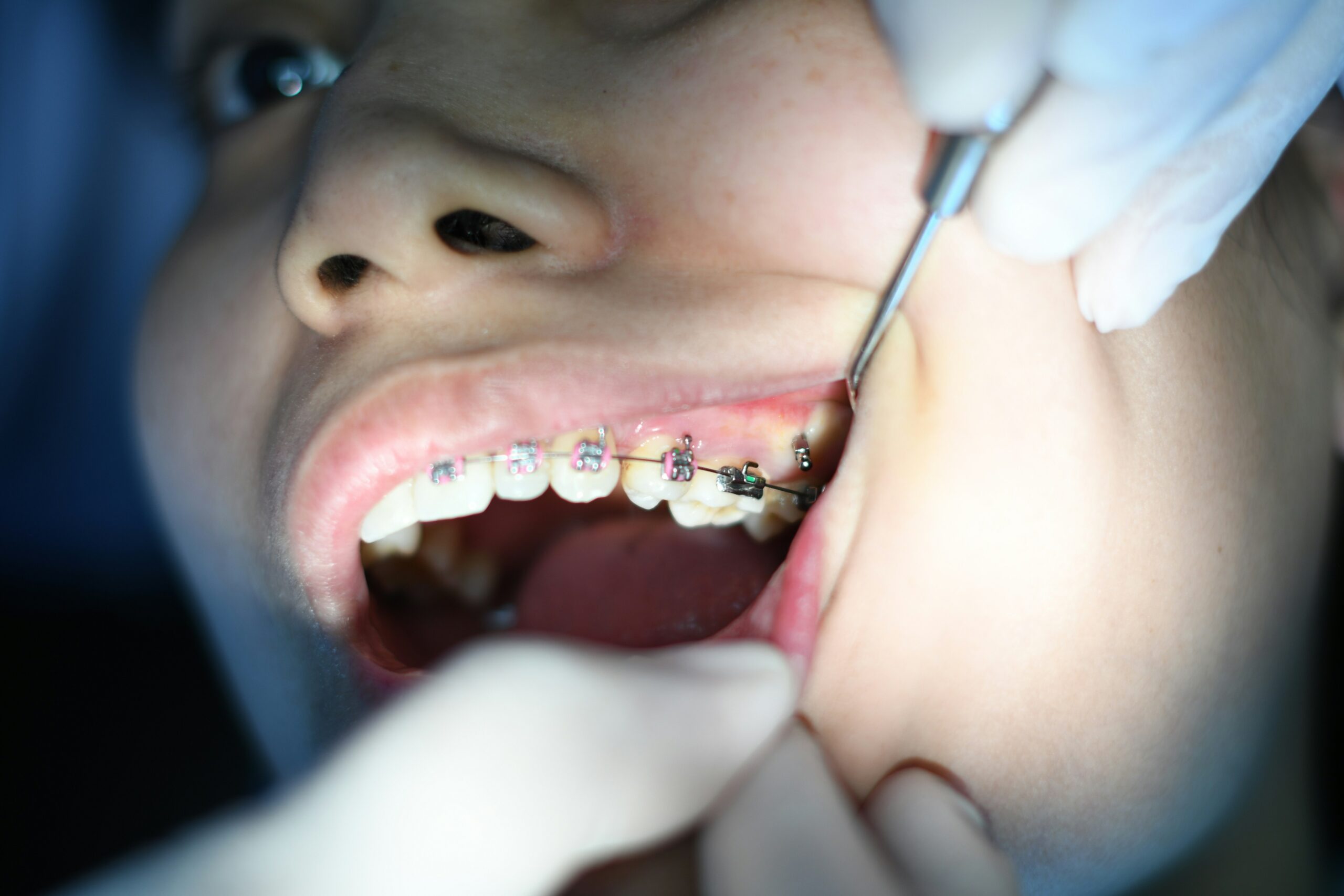
A good dental plan allows employees to access treatments such as hygienist visits, fillings, whitening and even orthodontics where appropriate.
When employees feel confident about their appearance, they tend to feel more positive at work. This confidence can translate into stronger communication, better teamwork and improved customer interactions. Something as simple as being able to smile without worry can have a big impact on workplace morale.
A practical and cost-effective benefit
Compared to other health-related benefits, dental plans are relatively affordable for companies to provide. They can be offered at different levels depending on budget, from basic preventative cover to more comprehensive plans that support advanced treatments.
For small and medium-sized businesses in particular, dental plans offer a high-impact, low-cost way to show commitment to employee wellbeing. Many providers also allow flexible options, where employees can add family members or upgrade their level of cover at their own cost.
This flexibility makes dental plans appealing to a wide range of people, from young professionals to parents and older workers who may need more regular dental care.
Attraction and retention of talent
In a competitive job market, benefits can make a real difference. A strong employee benefits package can be the deciding factor when someone is choosing between job offers. Dental plans are seen as practical and valuable because almost everyone needs ongoing dental care throughout their life.
Companies that invest in health-focused benefits are often viewed as more caring and stable employers. This improves both recruitment and retention. Employees are more likely to stay loyal to an organisation that actively supports their wellbeing rather than one that offers only the legal minimum.
Recent surveys suggest that over 60% of UK employees consider health and wellness benefits to be a key factor when choosing an employer. Adding a dental plan can therefore give a company an important edge.
Long-term impact on the business
Long-term oral health problems can lead to serious medical issues, including heart disease and diabetes complications. While a company cannot prevent every health condition, it can reduce risk by encouraging regular dental care. In the long run, a healthier workforce means fewer claims on private health insurance and lower overall healthcare costs.
It also creates a culture of prevention rather than crisis. Employees learn to look after their health before issues become unmanageable. This mindset can also be reflected in how they approach work and safety.
Conclusion
Offering dental plans to employees is no longer just a nice extra. It is a practical, affordable and powerful way to support physical health, mental wellbeing and workplace performance. With high rates of dental disease in the UK and growing awareness of the link between oral health and overall health, it makes sense for companies to include dental care as an essential employee benefit. This simple step can lead to healthier, happier and more productive teams.