




























Australia’s trades sector has been on a steady climb. More people are getting licensed, more independent contractors are starting their own businesses, and more projects are rolling out across cities and regional areas alike. But one of the clearest signs of this growth isn’t found in employment figures. It’s found in what tradespeople are buying. The equipment choices being made on the ground tell a real story about how the sector is evolving, how self-sufficient workers have become, and what it actually takes to run a trade business today.
The Shifting Landscape of Australia’s Trades Industry
How Regional Expansion Is Driving New Demands on Workers
It’s not just the major cities driving trade work anymore. Regional and remote Australia is seeing serious investment in infrastructure, housing, and resource projects. That means tradespeople are regularly travelling further from home base, working in areas with limited access to supplies, and spending extended time on site. This changes everything about how they prepare.
Working regionally isn’t just about having a good work ethic. It requires planning, the right gear, and setups that can handle days or even weeks away from the nearest hardware store or service centre.
Join The European Business Briefing
New subscribers this quarter are entered into a draw to win a Rolex Submariner. Join 40,000+ founders, investors and executives who read EBM every day.
SubscribeWhy Independent Contractors Are Leading Equipment Investment
The rise of the sole trader has been one of the most significant shifts in Australia’s workforce over the past decade. More tradespeople are running their own show, which means they’re also responsible for their own kit. There’s no depot to pull gear from. What you bring with you is what you’ve got. That mindset is pushing serious investment in equipment that is reliable, practical, and built to last.
How Tradespeople Are Approaching Vehicle Setup and On-Site Organisation
The Ute as a Mobile Workstation
Ask any tradie what their most important piece of equipment is, and most will point straight at their ute. It’s not just transport. It’s a storage unit, a tool chest, a workspace, and sometimes a shelter all rolled into one. Over the past decade, ute fitouts have become increasingly sophisticated, with tradespeople treating their vehicles the way a business treats its office space.
Weatherproofing matters. So does tool security, quick access to the right equipment, and keeping everything organised when you’re moving between multiple sites in a single day.
What Fitout Choices Reveal About Regional Trade Conditions
In Western Australia especially, the conditions tradespeople work in can be extreme. Heat, dust, and long distances between jobs mean a proper vehicle setup isn’t optional. It directly affects how efficient and productive a tradie can be on any given day. This has created strong demand for quality fitout solutions that match local conditions. If you’re operating in the area and want to see what working tradespeople are actually choosing, browsing options for a ute canopy Perth gives a solid sense of what’s available and what suits different working environments.
The Push Toward Energy Independence on Remote Worksites
Why Off-Grid Power Has Become a Practical Business Decision
Once you get far enough from the city, you simply cannot rely on mains power. That’s a reality of regional trade work that every contractor learns quickly. Generators used to be the standard answer, but they come with real drawbacks. They’re loud, they need fuel, they require maintenance, and they’re not always practical depending on the site conditions or local regulations. Over recent years, lithium battery storage has stepped in as a genuine alternative, and for many contractors it has become the preferred choice.
A properly sized battery setup can run power tools, site lighting, communications equipment, and charging stations through a full working day. It’s quieter, easier to manage, and more cost-effective over time compared to running a generator around the clock. For businesses doing regular regional work, this isn’t about chasing new technology. It’s a straightforward operational decision that directly affects productivity and on-site experience for everyone involved.
The shift is also being driven by how accessible and well-supported lithium battery products have become. Contractors no longer need specialist knowledge to evaluate options. Products are clearly rated, widely reviewed, and increasingly available through suppliers who understand trade use cases. For a broader look at how battery storage technology is reshaping energy use across industries, this piece on how the energy storage revolution is unfolding offers useful context.
Battery Storage Solutions Gaining Ground Across Australia
The Australian market for lithium battery solutions has grown significantly, pushed along by both trade demand and the broader uptake of off-grid living in rural communities. Contractors and regional operators are actively researching their options and looking for brands with proven performance in Australian conditions. If you’re ready to look at what suits your operation, a good place to start is to find Renogy lithium battery Australia and compare capacity, compatibility, and spec against what your specific worksite actually needs.
Haulage and the Equipment Behind Project-Based Work
The Role of Specialist Trailers in Contractor Operations
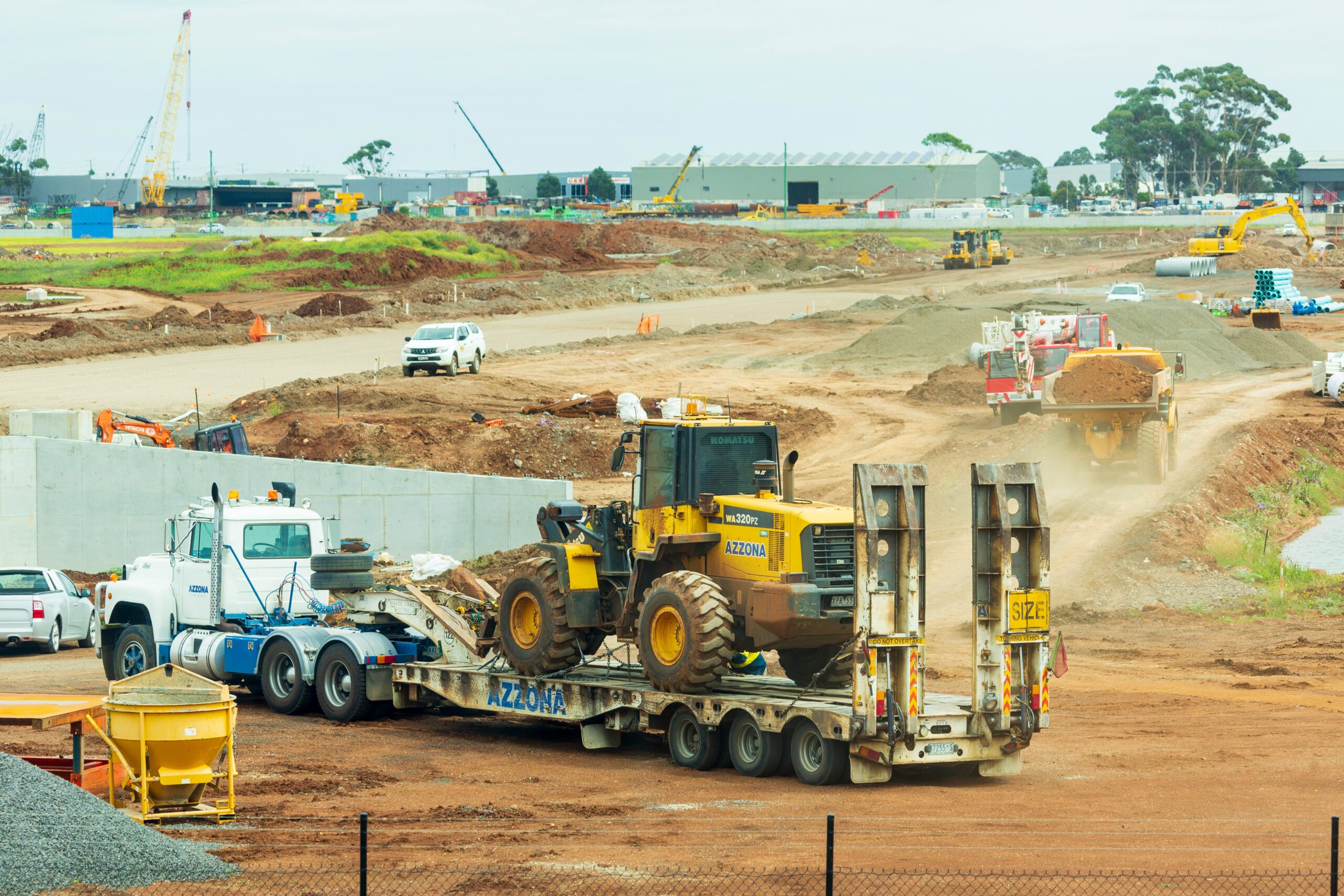
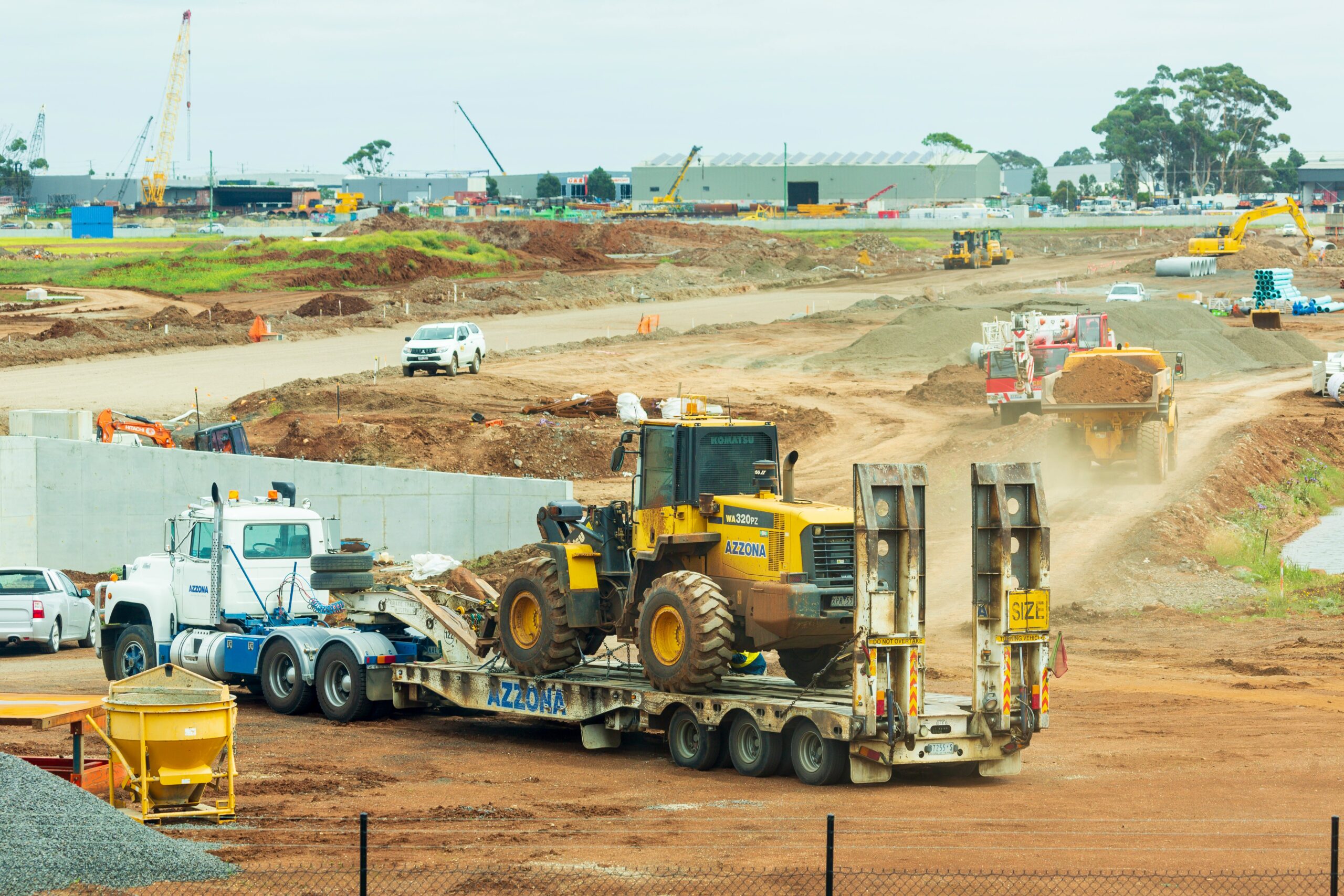
Moving materials efficiently is a core part of project-based trade work. Whether you’re in construction, landscaping, civil works, or agriculture, getting bulk loads from one place to another comes up on almost every job. The right trailer doesn’t just make that easier. It can determine whether a business is even able to take on certain contracts in the first place.
Many smaller contractors have found that owning purpose-matched haulage equipment gives them a real competitive edge. They’re not waiting on hire company availability, not paying hire fees on every single job, and not adjusting their project timelines around someone else’s schedule. For consistent work, the upfront investment tends to pay itself off quickly.
Matching Equipment to Project Scale and Terrain
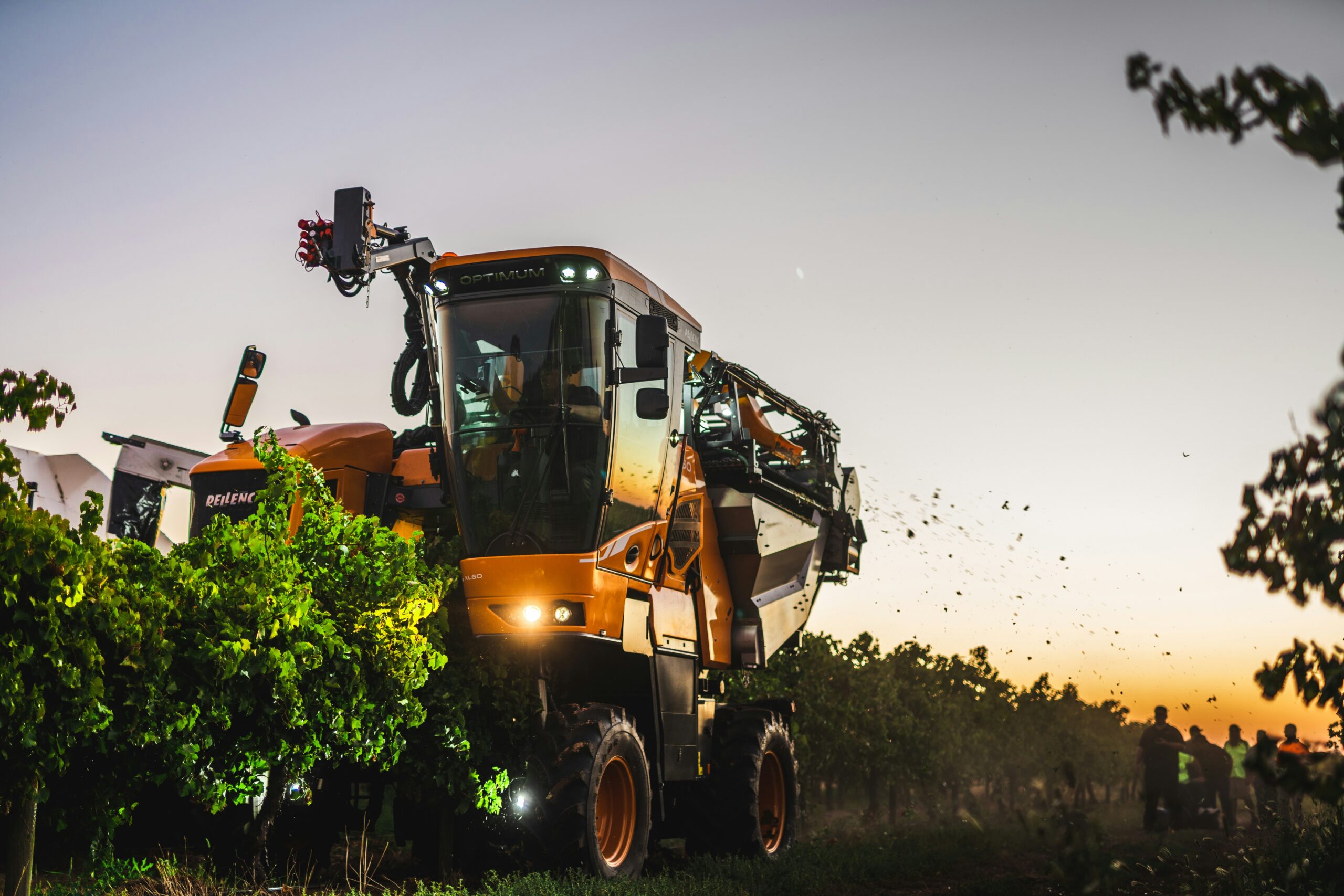
Buying haulage equipment is a decision that deserves more research time than most contractors give it. It is easy to go with what looks sturdy or what fits the budget, but those factors alone don’t determine whether the trailer actually works for your use case. The wrong choice creates friction on every job it’s used on, and that adds up quickly over a busy season.
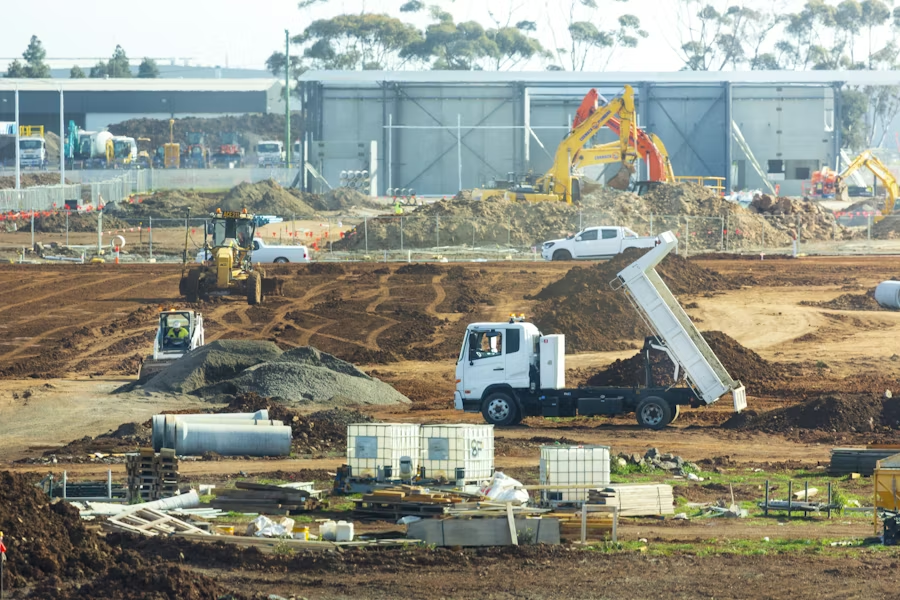
Not all trailers suit all jobs, and choosing the wrong one for your project type is a costly mistake. Load capacity, tipping mechanism, chassis strength, and road compliance all need to be assessed before making a purchase. These aren’t small details. They affect safety, insurance outcomes, and whether the job gets completed on time and within budget. For contractors comparing options for an upcoming build or earthmoving job, it’s worth spending the time to explore tipper trailers for your project and match what’s available to your specific requirements before committing.
What Equipment Trends Signal About the Broader Trades Economy
Investment in Tools as a Measure of Sector Confidence
Here’s something worth paying attention to. When tradespeople and small contractors are spending money on better equipment, it usually means they’re confident about their workload. Equipment investment follows pipeline confidence. You don’t upgrade your vehicle fitout or invest in a quality battery system if you think the work is about to dry up.
The current levels of investment being seen across the trades sector reflect a workforce that expects ongoing demand. Government infrastructure commitments, housing construction targets, and resource sector activity are all feeding that confidence upstream. And when workers spend, suppliers invest, and the ecosystem grows stronger across the board.
Conclusion
Australia’s trades sector isn’t just growing in numbers. It’s growing in sophistication. The equipment decisions being made by independent contractors and small trade businesses reflect a workforce that plans ahead and takes its work seriously. Vehicle fitouts designed for real conditions, reliable off-grid power, and purpose-matched haulage gear are all part of the same picture. Taken together, they tell us that Australia’s tradespeople are running smarter, leaner, and more capable operations than ever before.
FAQs
Why is demand for specialised trade equipment growing across Australia?
A combination of infrastructure investment, regional expansion, and the rise of independent contractors has created a workforce that needs reliable, versatile equipment to operate efficiently both in and beyond major cities.
What should a tradie consider when setting up a work vehicle for regional jobs?
Weather protection, tool security, storage organisation, and ease of access are the key priorities. The setup needs to match the specific conditions of the region, particularly in areas like Western Australia where heat and dust are constant factors.
How has lithium battery technology changed remote worksite operations?
Lithium batteries have replaced generator reliance for many contractors. They offer quieter operation, lower maintenance, and are increasingly cost-effective for anyone doing consistent work in locations without mains power access.
What should a contractor consider before purchasing haulage equipment?
Load type, terrain, tipping requirements, weight limits, and road compliance should all be assessed before buying. Choosing the wrong trailer for a job creates safety risks and unexpected costs that quickly outweigh any initial savings.