




























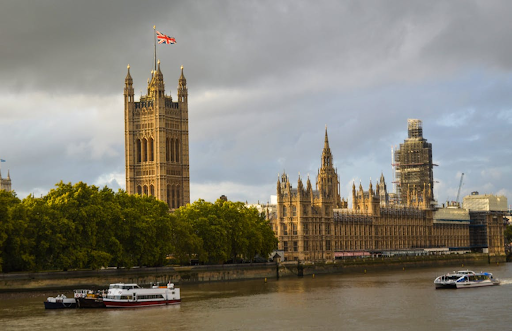
As the world urbanises, structures that fit their natural surroundings are increasingly important. As cities expand and human activity encroaches on natural surroundings, infrastructure and buildings must be included in the scene. Designing with nature supports sustainability and biodiversity and helps preserve habitat beauty. This design stresses the smooth integration of buildings with the surrounding terrain using materials and techniques that enhance the location’s natural beauty.
The value of sustainable design
Pioneers of sustainable design have integrated infrastructure with surrounding natural environments. The aim is environmentally friendly constructions that enhance nature. Important to this approach are sustainable, durable materials. Valued is a strong, flexible precast concrete retaining wall. Careful planning helps these walls stabilise slopes, slow down soil erosion, and blend perfectly with the surroundings. Such materials let designers create useful buildings that protect the environment.
Join The European Business Briefing
New subscribers this quarter are entered into a draw to win a Rolex Submariner. Join 40,000+ founders, investors and executives who read EBM every day.
SubscribeIntegrating nature into design
One of the finest ways to include buildings in their natural surroundings is by using architectural natural elements. Soil, wood, stone, and tools can replicate nature. Topography, vegetation, and climate should all be part of the design strategy if one wants to improve rather than damage the natural surroundings. Popular natural builders are green roofs and living walls. These features create wildlife habitats, boost biodiversity, and insulate and lower energy consumption.
Natural terrain respect
Designing with nature calls for ground respect. The topography should be suited to the design, not changed. This approach harmonises the construction with its surroundings and lowers environmental impact. Terracing protects flora and natural slopes. Following the ground contours will help combine functional and beautiful buildings with the surroundings.
Water in landscape integration
Water is strong in natural settings and supports building blending. Rivers, lakes, or waterfalls can accentuate a structure and help it be more in line with the surroundings. In building and landscape architecture, water can be managed, cooled, and irrigated. Permeable surfaces and rainwater collection help reduce the environmental effects of construction and enhance ecology.
Benefits of designing with nature
Designing with nature enhances the residents’ surroundings and quality of life. By incorporating energy-efficient, sustainable, and beautiful buildings into natural surroundings, designers can create this approach. This approach also enhances human-nature relationships, therefore raising environmental consciousness and well-being. Furthermore, making buildings more resistant to natural disasters like floods and landslides is working with rather than against nature.
This strategy also improves human-nature interactions, hence increasing environmental consciousness and well-being. Moreover, since designing with nature works rather than against natural forces, it increases the resistance of buildings against natural disasters, including floods and landslides.
Conclusion
Adding buildings to natural environments is necessary today. As we expand our cities, we must figure out ways to combine our built environment and surroundings. Working with nature allows us to create beautiful, resilient, and sustainable spaces that meet human needs and help conserve the landscape. Respecting the natural terrain, using sustainable materials, and including natural elements in our designs will help us build a built environment that coexists with nature and benefits future generations.