






























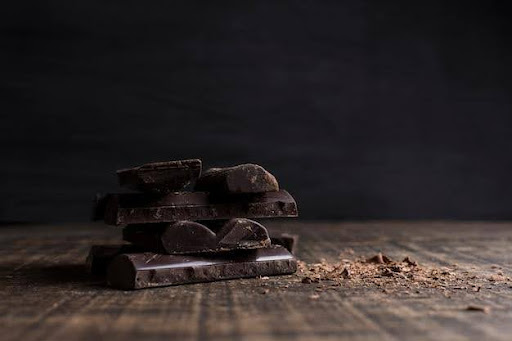
The chocolate industry may have had its fair share of struggles, with prices increasing considerably month after month as crops from the heaviest supplying regions began dropping. Nevertheless, the market’s trajectory has only moved upward, and the rising trend is bound to persist. According to most recent data, the global dark chocolate industry is set to reach $79.4BN by 2031, up from $42.3BN in 2021, marking a compound annual growth rate (CAGR) of 6.2% during the covered timeframe and a gain of $37.1BN. These attainments only contribute to the rising confectionary market that is predicted to hit $118.6BN by the same deadline.
Some of the main contributors to this considerable rise include the rising awareness about the product’s health attributes, heightened demand for first-class chocolate products, the e-commerce industry’s rise, increased consumption of packaged goods, and the emergence of new flavour varieties. If you’re curious about the future trajectory of dark chocolate, some of the industry’s hottest trends, and so on, keep on reading.
Photo source: https://www.freepik.com/free-photo/beautiful-still-life-with-chocolate-concept_3345064.htm#fromView=search&page=1&position=26&uuid=421889fc-3baa-4094-a641-ed7560a80127&query=Chocolate
Join The European Business Briefing
New subscribers this quarter are entered into a draw to win a Rolex Submariner. Join 40,000+ founders, investors and executives who read EBM every day.
SubscribeAlmost entirely dark chocolate on the rise
The higher the percentage of dark chocolate found in a product, the “healthier” it’s considered to be. People are encouraged to consume as dark as possible chocolate when caring for their health or trying to lose weight, maintain cardiovascular health, improve their cognitive capacity, and so on. For reasons like these, the 99% Noir Dark Chocolate from Lindt ranked among the most popular chocolates last year, thanks to rising consumer demand. The taste is difficult to handle by those with a sweet tooth who thrive on sweetened sweets, using 99% dried cocoa powder.
So, how is this astronomical demand justified? Being one of the world’s top chocolate product retailers, the mammoth works with the best cocoa company around to ensure the procuring of the highest-quality raw materials and the employment of sophisticated tech, all while complying with sustainability requirements. Other bigwig players face massive expectations from clients, and thus, competition includes but isn’t limited to Ferrero International, Nestle, Delfi Limited, Barry Callebaut, and The Hershey Company.
The challenging parts
As with many other industries, the cocoa sector also faces its fair share of struggles. Since cocoa beans are mainly produced in regions like West Africa that fight climate change, political uncertainty, and child labour issues, these social matter issues have affected cocoa creation and supply chain dynamics.
As a result, the volatile cocoa price points have been affecting chocolate manufacturers’ profitability and have been posing challenges in keeping prices and quality consistent over the wide range of dark chocolate treats.
Quality over quantity
Rising bodies of research disclose that customers are more and more comfortable with paying more to ensure they receive high-quality products. Quality comes over quantity and, thus, under the price tag. A megatrend of premium and organic chocolate confectionary is being noticed, drawing increasing numbers of customers. Many health-oriented buyers are willing to pay extra to enjoy organic products that supply the touted health attributes.
The organic and dark sweets market is also on the rise thanks to the health-halo advantages of dark chocolate, as well as the use of pure ingredients.
Rising awareness of sugar-based illness
Dark chocolate, especially with a heavy-metal taste, contains more cocoa solids and less sugar compared to original, milk, flavoured, or other types of chocolate. Sugar has long raised concerns, given its contribution to the high rate of diabetes and obesity. As per worldobesity.org, 2000MN individuals were fighting obesity or overweightness in 2020, while 463MN people were struggling with diabetes diagnostics.
Many studies emphasize a strong connection between customers’ rising awareness concerning their sugar intake and the broader range of products that contain less sugar or no sugar at all.
Dark chocolate health attributes
Dark chocolate uses cocoa solids, cocoa butter, and lower amounts of sugar compared to other cocoa variants abounding the market. A treat’s cocoa content determines its bitterness and flavour, with most products having between 65%-85% of the non-fat part of the cocoa beans.
Research points to this chocolate as possessing numerous health benefits, such as the following:
- boosting the brain’s capacity to create fresh neuronal connections
- fostering microbiome diversity
- decreasing “bad cholesterol.”
- decreasing insulin resistance
- reducing blood pressure
- lessening inflammation
- slashing free radicals
- enhancing blood flow.
Current trends
Customers’ awareness of the ethical and environmental impacts their food options give birth to is a contributor to the heightened predilection for dark chocolate. It’s not just the pure cocoa product that sells this well, but variants on it and alternatives that play with nutritious flavours and use quality ingredients. A type of dark chocolate that experiences high demand is the one that uses walnuts, almonds, pistachio, and other similar ingredients with high heart-healthy unsaturated fats, antioxidants, proteins, and other nutritious resources. The product’s quality is directly tied to the reliability of the nuts supplier, reason for which leading companies prioritize the standing of their ingredient providers.
Today’s trend inclines toward cocoa beans obtained via sustainable practices and which align with some requirements, such as:
- No preservatives or artificial additives
- Transparency in the supply chain
- Clean labels.
Dark chocolate is more accessible today than ever, being found in establishments ranging from convenience stores to hypermarkets and non-grocery retailers. It’s important to note that cocoa isn’t essential in the confectionery and food and beverage industries. It’s a red-hot element in cosmetics and pharmaceuticals, too.
Premiumization
The premiumization trend in the chocolate industry has augmented the dark chocolate sector’s growth. Chocolate eaters are more and more willful to pay extra for top-quality chocolate that ticks the following boxes:
- Ground-breaking flavours
- First-rate craftsmanship
- Exotic origins.
Endnote
Dark chocolate is rising in demand thanks to its health attributes, less sugary contents, and manufacturers’ focus on providing first-rate, delicious products. For instance, craft and artisanal chocolate producers are on a roll thanks to their committed concentration on using first-class cocoa beans, relying on bean-to-bar procedures, and producing in limited batches.
As expected, these practices draw in all sorts of consumers, with a focus on those sitting well and those who prioritize their nutritious intakes.