































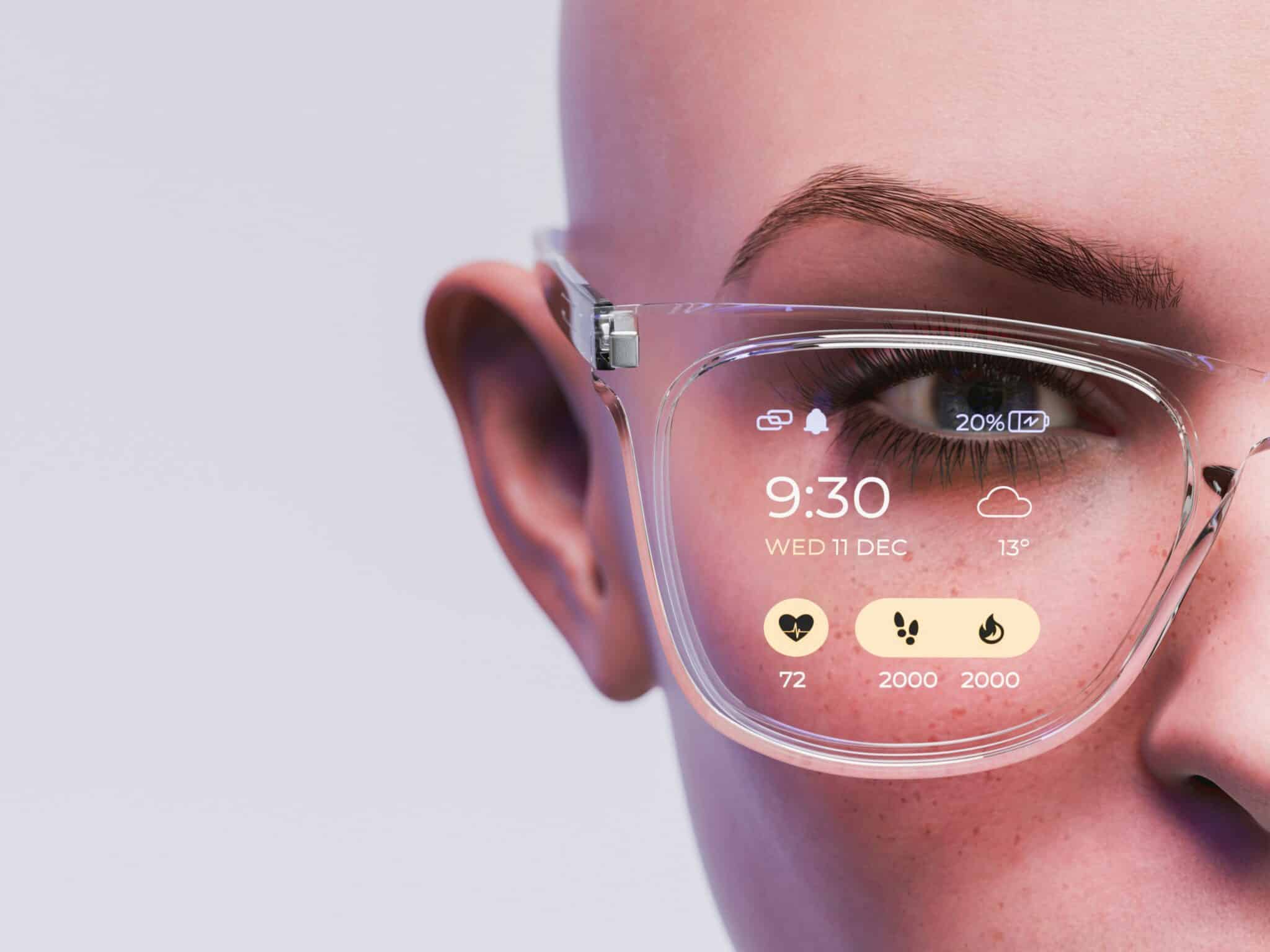
Wearable technology has steadily shifted from a novelty to a daily essential. People use smartwatches to track their activity, wireless earbuds to take calls, and fitness bands to keep an eye on their health. Now, eyewear is getting a similar upgrade, bringing digital features into an accessory people have worn for generations.
The idea makes sense. Rather than asking consumers to carry another device, manufacturers are finding ways to add useful features to something they already use. Depending on the model, glasses with audio can let people listen to music, answer calls, and use voice assistants without constantly reaching for their phones.
For businesses, combining tech with fashion is a huge opportunity—but it takes more than just slapping a few microchips onto a frame. At the end of the day, people still want glasses that look great, fit comfortably, and don’t cost a fortune. The brands that manage to balance all three are the ones that will truly stand out as smart eyewear takes off.
Join The European Business Briefing
New subscribers this quarter are entered into a draw to win a Rolex Submariner. Join 40,000+ founders, investors and executives who read EBM every day.
SubscribeWhy Businesses Are Paying Attention
Smartwatches and wireless earbuds proved that people will gladly adopt new tech—as long as it fits seamlessly into their daily lives. Most consumers are not looking for another complicated device. They want products that make everyday tasks a little easier.
Connected eyewear follows the same idea. Someone walking to work might appreciate being able to answer a call without taking out their phone. A traveller could find hands-free audio useful while navigating an unfamiliar city. Others may simply enjoy listening to music while keeping their phones in their pockets.
These are ordinary situations, but that is part of the appeal. A product does not have to change someone’s life to become useful. Sometimes, making a familiar activity more convenient is enough.
Tech companies, frame makers, and retailers all see huge potential here, but they each bring something different to the table. Tech firms have the software and hardware side nailed down, while traditional eyewear brands know how to craft comfortable, great-looking frames that people actually want to wear.
For retailers, it’s a clever way to pitch wearable tech to shoppers who would normally scroll right past standard gadgets.
That said, there’s a big gap between catching someone’s eye and making a product they’ll actually use every day. If the tech feels like a gimmick—or if the frames end up heavy and uncomfortable—people will quickly go right back to their standard glasses.
A New Opportunity for Established Brands
One of the most interesting aspects of connected eyewear is the way it brings together two industries that have traditionally operated differently.
Tech companies are experts at building electronics and seamless software, while frame makers have spent decades mastering what makes glasses comfortable, durable, and stylish. Bringing those two skill sets into the same room is really the secret to making smart eyewear that looks as good as they work.
At the end of the day, almost nobody buys a pair of glasses just because of a spec sheet. How they feel on your nose, how they fit your face, and whether they match your personal style matter just as much—if not more—than the tech inside them.
There are also encouraging signs that the category is attracting wider industry interest. Research points to smart eyewear emerging as a growing accessories category, as technology becomes a more visible part of the fashion market.
For businesses looking to jump into this market, the first big decision is figuring out who they’re actually building for. Some buyers are happy to pay top dollar for cutting-edge features and high-end materials. Others just want something simple and practical, like a convenient way to take calls or listen to music on their commute.
Trying to please everyone at once is a quick way to end up with a product that stands for nothing. Having a crystal-clear picture of your target audience makes it much easier to decide which features are actually worth building—and how to market them in a way that resonates.
Why Appearance and Comfort Still Matter
It is easy to get caught up in what a new device can do. Yet, when it comes to wearable products, the everyday experience often matters more than the technology behind them.
Eyewear is a good example. People may wear their glasses for hours, so even a small increase in weight can become uncomfortable over time. The fit, balance, and feel of the frame can determine whether someone reaches for it every morning or leaves it in a drawer.
Appearance is just as important.Glasses are a huge part of personal identity, and most people put a lot of thought into picking frames that actually look good on them. If a design looks too bulky or hyper-futuristic, it might catch the eye of tech enthusiasts, but it’s going to turn away everyday shoppers who just want a stylish accessory that fits their daily look.
That’s where seasoned frame designers come in. The tech needs to seamlessly fade into the background—enhancing the glasses without ruining the style, fit, and feel that made people want to wear them in the first place.
The relationship between innovation and appearance is becoming increasingly relevant as digital technology shapes the design of everyday accessories.
For businesses, the takeaway is simple: tech should make glasses better, not ask customers to sacrifice comfort or style to get it.
Understanding What Customers Actually Need
When companies launch a new product, it’s easy to fall into the trap of packing in every feature imaginable. But a longer laundry list of specs doesn’t automatically mean a better product.
It helps to step back and look at how real people would actually use connected eyewear in their day-to-day lives. A daily commuter might just want clear, hands-free calls on the go. A frequent traveler might love having audio built right into their frames so they have one less gadget to pack. Meanwhile, someone who loves documenting their trips is going to care far more about a subtle camera for quick photos and videos.
The useful features will depend on the customer and the situations in which the product is used.
That is why customer feedback should be part of the development process. Testing a product in everyday settings can reveal problems that might not appear during initial design work. Controls may be awkward to use, battery life may disappoint, or a feature that seemed exciting on paper may rarely be used.
Price is another massive factor. Most people already own a smartphone, a decent pair of headphones, and standard glasses or sunglasses. If you’re asking them to buy smart eyewear, the product has to deliver enough clear, everyday value to justify the extra cost.
Companies can make that choice much easier by focusing on real-world benefits instead of getting bogged down in tech jargon or overhyped promises. At the end of the day, people are far more likely to buy in when they can easily picture how the frames fit into—and simplify—their actual daily routines.
Trust Is Part of the Product Experience
As smart eyewear gets more capable, brands have to look beyond hardware and think about how people feel actually wearing it out in public.
When frames come packed with micro-cameras, microphones, or background data processing, transparency becomes everything. Buyers shouldn’t need a computer science degree—or have to dig through endless sub-menus—just to figure out basic controls or see where their personal data is going. Straightforward instructions and quick, intuitive privacy controls go a long way in making a new device feel user-friendly.
There’s also the social side to think about. When high-tech features are hidden inside frames that look completely ordinary, people nearby can naturally get uncomfortable, wondering if they’re being recorded. Small details—like a subtle indicator light that turns on when a feature is active—go a long way toward building transparency and keeping the tech from feeling intrusive.
For brands, trust isn’t just something to tick off a legal checklist before launch. It directly shapes how people feel about the company and whether they’d ever tell a friend to buy a pair. Addressing these privacy worries head-on from day one is how brands build true, long-term loyalty.
Competition Will Be About More Than Features
As more brands dive into smart eyewear, the real battle won’t just be about the physical frames.
Everything around the device—the software experience, cross-device compatibility, customer support, and the actual shopping process—will make or break its success. A pair of glasses that pairs effortlessly with the phone you already own will almost always win over a feature-packed pair with a nightmarish setup.
Retailers are going to be huge here. While most people know exactly what they want in a standard pair of frames, smart features can easily feel confusing or gimmicky. Having staff who actually know their stuff, alongside clear walk-throughs and hands-on store demos, can make all the difference in turning casual curiosity into a confident purchase.
Smart partnerships are just as critical. Building a stellar pair of connected eyewear takes a rare mix of optical know-how, tiny electronics, solid software, precise manufacturing, and seamless retail distribution. Almost no company can pull off all five on its own, which is why cross-industry teamwork is the key to shipping a truly polished product.
Even so, brands can’t confuse initial hype with lasting popularity. Shiny new gadgets always pull in early attention, but real staying power depends on whether people keep reaching for the frames long after the novelty wears off.
Once the initial buzz quietens down, success hinges on the basics: solid reliability, easy all-day comfort, a sensible price tag, and features that make daily life genuinely easier—not just a fancy spec sheet on the back of the box.
What Comes Next for Connected Eyewear?
The growing crossover between fashion and tech is opening up exciting new doors for brands. Eyewear is a particularly sweet spot because it builds on a habit millions of people already have, rather than forcing them to get used to a totally foreign gadget.
That said, there are still real hurdles to clear. The frames have to be comfortable enough for all-day wear, retailers need to explain the benefits in plain English, and manufacturers have to pinpoint which features people are actually willing to spend money on. At the end of the day, the brands that win will be the ones that genuinely listen to their customers rather than just chasing the latest tech trends for the sake of it.
Over time, the line between ordinary accessories and smart devices is going to get a lot blurrier. That doesn’t mean every single pair of glasses on the shelf needs microchips and Bluetooth—it just gives makers more creative ways to offer what different buyers are looking for.
At the end of the day, the future of wearable tech boils down to one simple thing: how seamlessly it fits into your everyday routine. Flashy features might turn heads early on, but it’s all-day comfort, genuine convenience, and killer design that keep people putting those frames back on every single morning.






