





























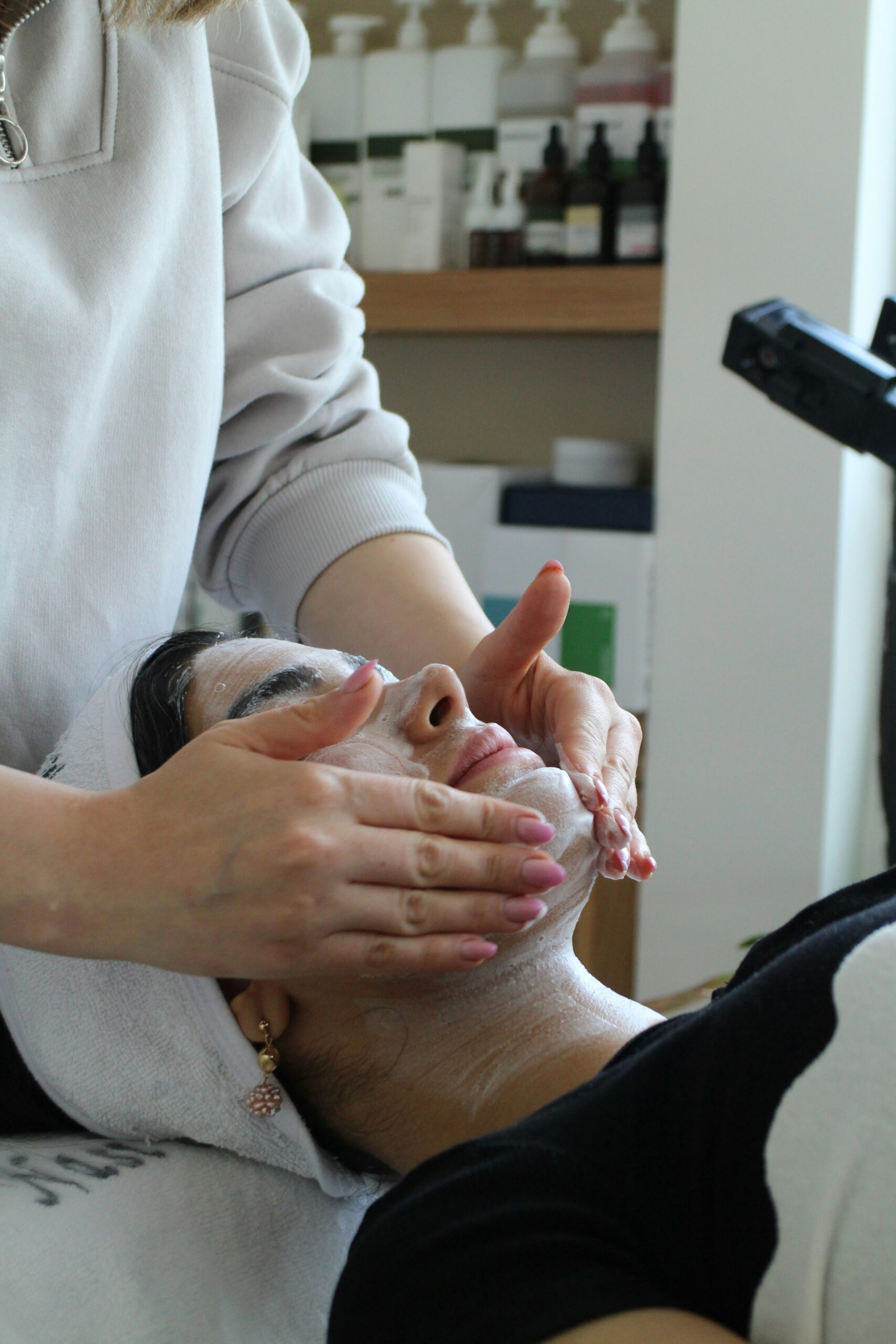
Dermal fillers get talked about like they are one thing. One category. One outcome. “Volume back.” “Fresh look.” Done.
Real life does not work like that.
Fillers behave differently depending on skin quality, facial structure, age, metabolism, lifestyle, and, honestly, expectations. The same syringe can look invisible on one person and loud on another. The same plan can feel confidence-boosting for one patient and emotionally exhausting for someone else.
Join The European Business Briefing
New subscribers this quarter are entered into a draw to win a Rolex Submariner. Join 40,000+ founders, investors and executives who read EBM every day.
SubscribeSo let’s break it down like a study review, but in plain language. Who tends to do well. Who tends to struggle. And who should pause, rethink, or skip.
What “benefits” actually means in filler terms
Most people hear “benefit” and picture a prettier face. Clinics usually think in different buckets:
- A result that looks natural in motion, not only in photos
- Improvement that holds up over months, not days
- Low risk of swelling patterns that ruin the vibe
- A plan that fits the patient’s anatomy, not a trend
That last point matters. Trend-driven filler is where problems start.
The people who usually do best with fillers
1) People with clear volume loss, not vague insecurity
This group often says: “I look tired even when I’m fine.” They do not say: “I hate my whole face.”
Volume loss tends to show up as:
Hollows under eyes, flatter midface, less support around the mouth, corners pulling down.
Fillers can help here because they are restoring something that used to exist. The brain accepts it quickly. Friends often just say: “You look rested.”
2) People with stable skin quality
Fillers sit under the skin, but the skin is still the visible layer. If the skin is thin, overly sun-damaged, or very reactive, filler can still work, but expectations need to be tighter.
Good candidates tend to have:
Decent elasticity, consistent hydration habits, and no constant inflammation from aggressive skincare or frequent irritation.
Not perfect skin. Just stable skin.
3) People with realistic goals and patience
This sounds basic, but it is the main divider.
The best outcomes often come from people who can handle a phased approach:
Small amounts. Reassess. Adjust. Stop early if it already looks right.
The toughest outcomes often come from people who want a “one appointment transformation” and feel disappointed if nobody notices on day one.
4) People who want shape support, not a personality change
Fillers can support cheek structure, soften a fold, balance a chin, sharpen a jawline in subtle ways.
People who do best usually want refinement. Not reinvention.
Where fillers tend to disappoint
1) When the problem is texture, not structure
If the main concern is pores, fine lines, crepey skin, or surface roughness, filler is not the hero.
Sure, some volume can reduce the look of certain lines. Still, texture has its own lane. If someone tries to use filler to “smooth everything,” the result can look puffy without actually fixing what bothers them.
2) When swelling patterns are already a theme
Some people swell easily. Allergies, sinus issues, autoimmune flares, chronic stress, poor sleep. Fillers can trigger longer swelling windows in these patients.
This does not mean “never,” it means: cautious planning, smaller changes, more follow-up, and a provider who is not rushing.
3) When the face is already “full”
A naturally round face, strong fat pads, or a shorter midface can look overfilled fast. That “one more syringe” moment is where the harmony disappears.
In these cases, the better result can be less product, placed with restraint, or even choosing a different approach altogether.
The skip list: people who should seriously pause
1) Anyone chasing a filtered face
Filters change proportions in ways real anatomy cannot copy. If the goal is to look like a specific edited version of yourself, filler becomes a trap. You can keep adding and still feel behind.
That is not a technique issue. That is a goal issue.
2) People with body dysmorphia signals
This is sensitive, but it matters.
Red flags tend to look like:
Obsessive mirror checking, constant comparison photos, “nothing ever looks good,” or intense distress over tiny asymmetries.
A good injector will slow down here. Sometimes the best care is saying no.
3) People who cannot follow aftercare or follow-up
Fillers are a procedure. Not a product purchase.
If someone travels immediately, drinks heavily right after, ignores instructions, or disappears when they need a check-in, the risk goes up. Outcomes get messy. Stress rises for everyone.
4) People with untreated medical issues that affect healing
Autoimmune conditions, uncontrolled thyroid problems, chronic inflammation. Some patients do fine. Some do not. The point is: this is not a casual decision when the immune system is unpredictable.
A careful medical history is not “extra.” It is the foundation.
The overlooked factor: product integrity and sourcing
This part is not glamorous, but it is where a lot of “why did this go wrong” stories begin.
Clinics that get consistent outcomes usually obsess over boring things:
Batch tracking, proper storage, supplier reliability, documentation, predictable inventory. Patients rarely see that work, but they feel it in the result and the recovery.
If you operate a practice, or advise one, sourcing is not a side detail. It shapes treatment planning. It shapes scheduling. It shapes patient confidence. It also shapes how often staff end up firefighting last-minute shortages or scrambling to match a plan with whatever is available.
That’s why some teams look for stable ordering pathways when they purchase Dysport wholesale, especially when they are trying to keep protocols consistent across providers and appointment blocks.
What studies and clinical patterns tend to agree on
Even without quoting numbers all day, the patterns are consistent in practice:
Good outcomes correlate with:
- Clear indication (volume loss, contour support, proportion balance)
- Conservative dosing and spacing
- Provider skill plus patient restraint
- A plan that respects anatomy, not social media
Bad outcomes correlate with:
- Overcorrection and stacking too fast
- Treating the wrong problem (texture, laxity, emotional distress)
- Poor follow-up habits
- Lack of standardization in product handling and documentation
That last one does not get enough airtime. Clinics that run tight systems usually see fewer complications and fewer “I feel weird about this” conversations.
Quick self-check: are you a good candidate or a “pause” candidate?
Ask yourself a few blunt questions.
- If nobody noticed, would you still be happy with the change?
- Do you want improvement, or do you want to stop looking like yourself?
- Do you tolerate swelling well, emotionally and physically?
- Can you handle a gradual plan without pushing for more too fast?
If the answers feel shaky, that does not mean “no forever.” It means the first step is a better consult, clearer goals, and maybe a different treatment lane.
What “skipping” can look like without feeling like a loss
Skipping fillers is not the same as doing nothing.
Sometimes the smarter move is:
Skin-focused treatments, collagen-support approaches, lifestyle changes that calm inflammation, or simply waiting until the face shows a clearer need.
Fillers can be great. They also can be a distraction when the real issue is stress, sleep, weight fluctuation, or harsh skincare habits that keep the face in a constant state of irritation.
A good plan feels calm. Not compulsive.