





























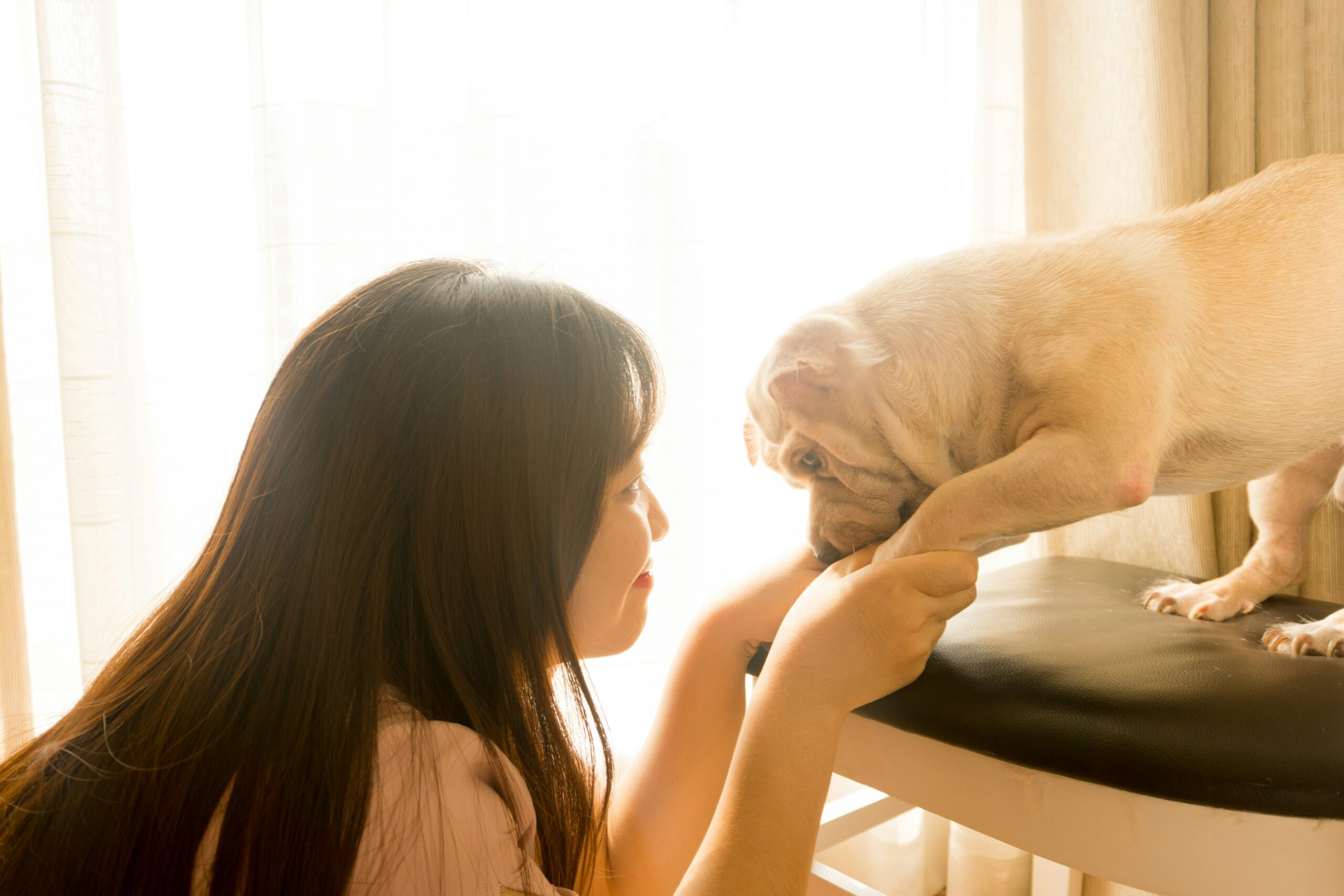
Small habits you repeat at the same time each day create the biggest gains in how your animals feel. In my experience, consistency beats perfection. When pets know what to expect and routines stay short, they relax, and you actually stick with them.
Living in Australia means dealing with heatwaves, hard outdoor surfaces and homes that swing between air conditioning and stuffy afternoons. Whether you live in a city apartment or on a regional property, the challenges feel similar. The growing focus on pet wellbeing across the industry confirms that owners everywhere are investing more in daily comfort. This guide touches on cooling, water access, resting spots, enrichment, hygiene, travel safety and hoof care for those who manage horses.
Join The European Business Briefing
New subscribers this quarter are entered into a draw to win a Rolex Submariner. Join 40,000+ founders, investors and executives who read EBM every day.
SubscribeBetter Rest Starts with Better Beds
Support, size and easy cleaning affect how well your dog settles and recovers more than any fancy feature.
Puppies commonly need 15 to 20 hours of sleep each day, and seniors usually sleep even more than adults. Quiet, comfortable sleep spots support growth and healing.
Match Bed to Sleep Style and Climate
Bolster beds help curlers feel secure and support the neck. Flat mattresses suit stretchers and larger breeds. For warm months, choose breathable covers that allow airflow, and in winter add a washable throw for insulation on tiled floors.
Prioritise removable, machine washable covers. Tough fabrics handle sandy decks and red dust that show up across Australia. Size the bed so your dog can fully extend without hanging off the edge.
Choose Supportive, Climate Smart Beds
Look for cushioning that spreads your dog’s weight to reduce pressure points, especially on elbows and hips. Denser foam or well filled fibre supports larger breeds without bottoming out. Favour durable stitching, zipped covers and fabrics that rinse clean after beach runs.
Consistent maintenance also keeps odours down and fabric healthier for joints. Keep cleaning simple. A weekly cover wash and a quick shake out during your daily tidy make the bed a place dogs actually want to use. For Australian made, supportive options sized to breed and climate, see Superior Pet Goods’ best dog beds Australia to reduce pressure points and make cleaning easier.
Calmer Days Through Enrichment and Routine
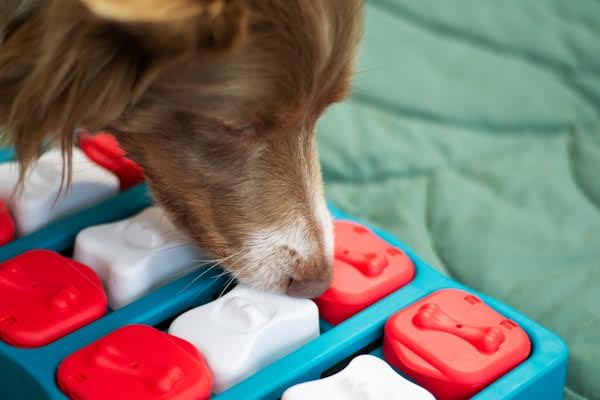
Short daily enrichment blocks ease anxiety and reactivity more than rare marathon sessions.
Enrichment means giving your animal safe ways to use their body and brain, which protects physical and mental wellbeing when varied and done safely.
Sniff First Walks and Micro Training
Give your dog permission to sniff for 10 to 15 minutes on morning routes. Use scatter feeds on grass to slow the pace and encourage foraging. Add two short, three minute training bursts at home using sit, down, touch or settle on a mat.
Rotate toys weekly. Box up half and swap sets every seven days so novelty stays high without buying more gear.
Quiet Decompression Space
Create a consistent mat or crate as a chill zone. Reward your dog for choosing this spot after walks and during busy household periods. Place the chill zone near the family but out of foot traffic so your dog can relax without feeling isolated.
Daily Hoof Comfort for Horses
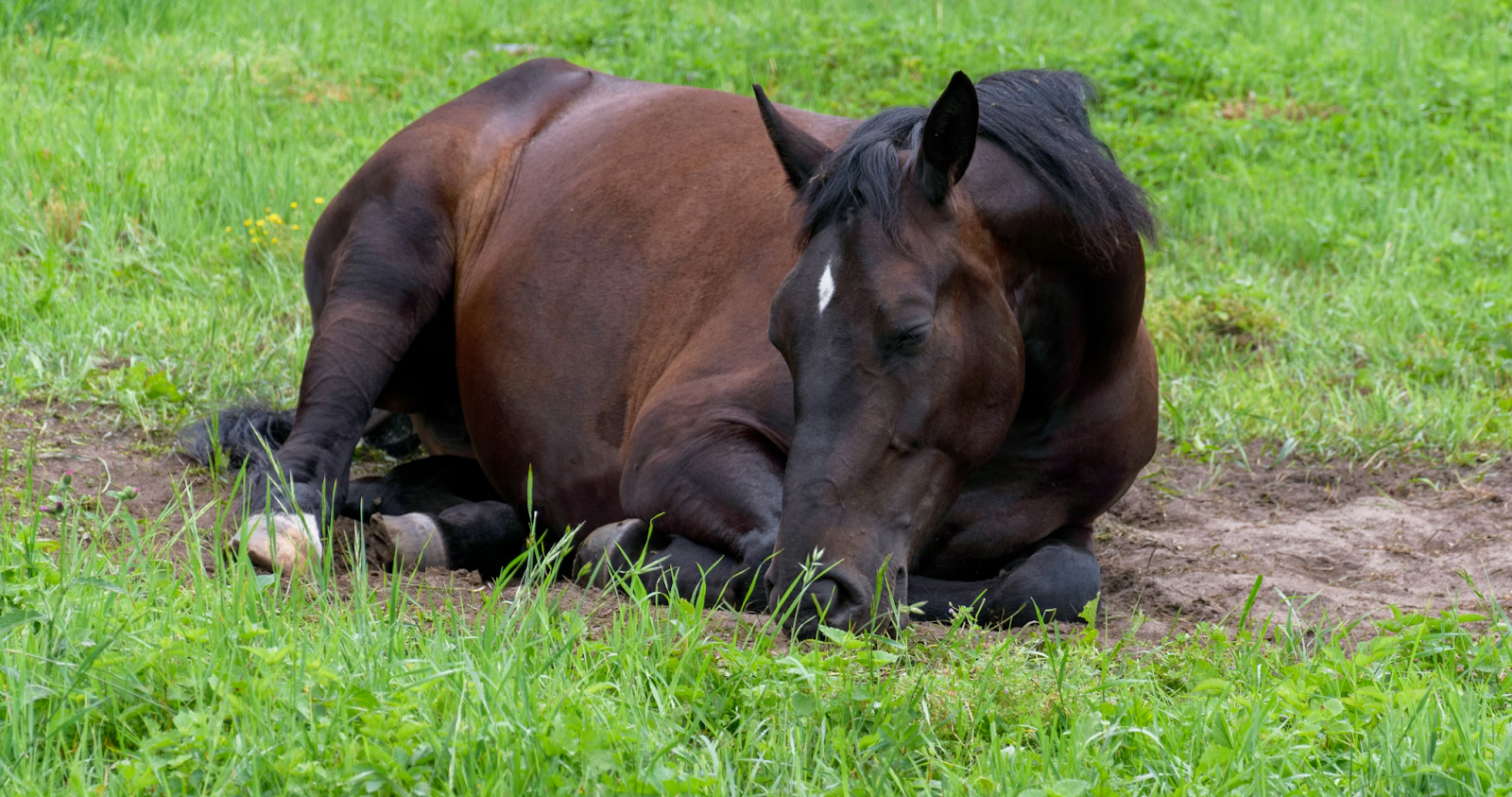
Hard ground adds extra concussion that can make every step uncomfortable.
Simple daily checks and the right protective gear increase comfort for barefoot horses and during rehab.
Daily footing checks and small gear tweaks prevent many avoidable aches. Pick out all four feet before rides or hand walking and check for lodged stones, thrush odour (a strong, sour smell) or tenderness. Use hoof boots on concrete, asphalt and crushed stone to add grip and buffer impact. For ready to fit options, Scone Equine Group’s shop horse boots for hoof protection can help buffer concussion on hard ground and add grip during everyday hand walking or trail hacks.
Cats: Resource Layout That Prevents Friction
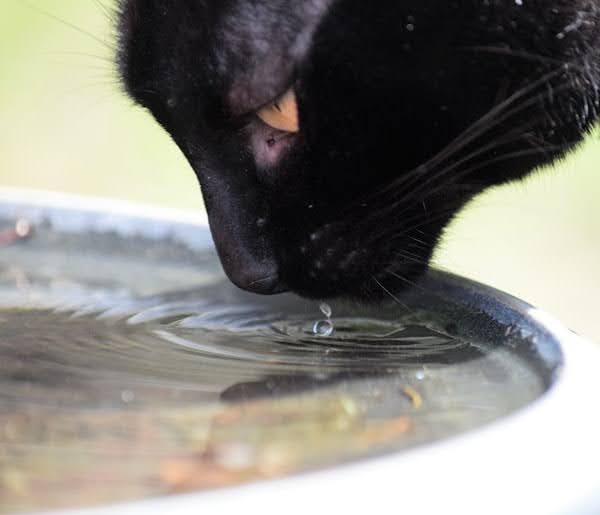
Many feline tensions start with how the home is laid out, not with a difficult cat.
Adjust the map before you assume a behaviour problem.
Litter and Resources
Use one litter tray per cat plus one extra, placed in separate rooms rather than clustered. Scoop daily and wash weekly with mild soap. Size each box to 1.5 times the cat’s body length for easy turning.
Separate food, water, toileting, resting and scratching stations. Add vertical space such as shelves or trees. Aim for at least two safe retreats per cat in different locations.
Hygiene Habits with Compounding Returns
A few minutes of simple care each day prevents discomfort and reduces the chance of stressful, expensive treatment later.
Brush teeth daily if you can, pairing the routine with a cue and food reward and using pet safe toothpaste only. Rinse your dog after sand or salt, groom weekly to prevent mats and catch grass seeds. Rinse water bowls daily, wash food bowls after each meal and launder bedding weekly.
Heat, Travel and Outdoor Safety
Heat is the daily risk multiplier, so plan around it at home, on walks and during car trips.
Never leave animals in cars. Interior temperatures can more than double the outside temperature within minutes.
Walk in the morning or evening and choose grass or shaded routes. Use crash tested harnesses or crates that are safety rated for car travel. Apply window sunshades and schedule regular rest stops on longer trips.
Wrapping Up
Small steps done daily add up to calmer, cleaner, more comfortable animals. Start with two or three habits this week, then layer more over time, such as setting up water stations, adding a second bed, starting tooth brushing, rotating toys, scooping litter daily and shifting walks to cooler windows. Review after a week, keep what works and celebrate the momentum you build together.
FAQs
These quick answers focus on the small daily choices that give your animals the biggest boost in comfort and safety.
How can I tell if it is too hot to walk my dog?
Check the forecast and aim for morning or evening walks. Use the back of hand test on pavement and, if you cannot hold for five seconds, choose grass or skip the walk. Watch for heavy panting and slowing pace, and be extra cautious once temperatures climb above 25 degrees Celsius and especially above 32 degrees.
What is the simplest way to start brushing a dog’s teeth daily?
Pair brushing with a routine you already keep, like after the evening walk. Start with a finger brush and pet safe toothpaste, touching only outer surfaces for a few seconds. Reward after each try and add a few teeth each night until you cover the whole mouth.
How many litter trays should I have and where do they go?
Use one tray per cat plus one extra, placing them in separate quiet locations, not side by side. Scoop daily, wash weekly and size each tray to about 1.5 times your cat’s body length. Keep trays away from food and water.
Are hoof boots worth it for short daily hand walks on gravel?
Yes for many horses, especially barefoot or those in rehab, because boots distribute pressure and reduce chipping on hard surfaces. Start with correct fit and short sessions to check comfort. Clean after use to prevent grit rubs.