






























You take pride in your car, and with a bit of planning you can keep it looking sharp without turning care into a second job.
Start With A Simple, Realistic Plan
If you want your car to look good for years, you need to know what each protection option blocks. You also need to know how thick it is and how you will care for it.
Join The European Business Briefing
New subscribers this quarter are entered into a draw to win a Rolex Submariner. Join 40,000+ founders, investors and executives who read EBM every day.
SubscribeYour climate and driving pattern change what makes sense. Whether you deal with salted winters, coastal air, harsh sun, or long motorway commutes, there is a stack that fits your life. You also get a checklist for choosing an installer and a good‑better‑best plan to match your budget to your goals.
Let Sacrificial Layers Take The Abuse
Exterior protection means adding barriers that keep your paint and trim from getting chipped, etched, stained, or dulled. You have three main tools. Film absorbs rock chips and scratches. Coatings add chemical resistance and water beading, and waxes give short term gloss at the lowest cost.
Know Your Paint Before You Polish
Understanding your paint helps you avoid costly mistakes. Most cars have three layers: primer for adhesion, a base coat with color, and a clear coat that provides gloss and UV protection.
Here is the critical part: OEM clear coat thickness falls around 35 to 50 microns. That is not much material to work with. Every heavy polishing pass removes some clear coat permanently, narrowing your future options.
Quick Rules of Thumb
- Limit heavy correction passes and prioritize adding protection instead of chasing perfect reflections
- If you suspect repainted panels, use film on vulnerable areas and stick to light polishes elsewhere
- Track measured thickness for each panel if you have access to a paint gauge
Match Protection To Your Daily Driving
Your best choice depends on your main threats, driving habits, budget, and how long you plan to keep the car. If you face motorway stone chips, prioritise film on high impact zones first. If your struggle is city grime, bird fallout, or coastal mist, a coating helps you wash faster. If you are selling soon, use a polymer sealant for short term gloss instead of a longer commitment.
If you live near the coast or in a high‑rain city, salty mist, road grime, and showers can make every wash feel like a chore that never seems to end. In New Zealand, One Touch Auto Detailing in coastal Auckland offers long‑lasting car protection with options for coastal drivers through ceramic car coating auckland.
Film: What It Prevents
- Modern films are about 8 mil thick and use self healing top coats that soften fine swirls when warmed
- Prioritise front bumper, bonnet, mirror caps, and rocker panels first
- Warranties commonly extend up to 10 years when the film is maintained as directed
- After installation, delay washing for about 72 hours to one week so adhesion can stabilise
Liquid Protection: Strengths And Limits
- Professional coatings usually deposit roughly 1 to 2 microns of hard film
- Coatings improve chemical resistance but will not stop rock chips
- Durability ranges from about six months for sprays to several years for professional systems
- Wash every two weeks with pH neutral shampoo to maximise coating life
Wax and Polymer Sealants
These cost the least and add quick gloss plus water beading. Protection is short lived, usually a few weeks to a few months. Use them for short ownership windows or as an interim step before a future film or coating service.
Know When To Fix Or Replace Wheels
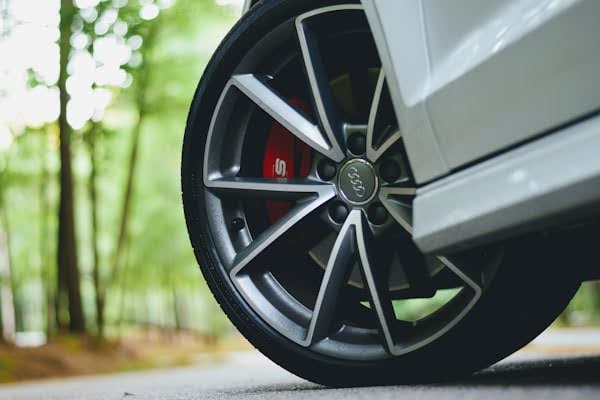
Cosmetic curb rash and light scuffs can usually be refinished by qualified specialists. Replace wheels that have cracks, bent flanges, spoke damage, or any signs of welding. Manufacturers warn that welding aluminium alloy wheels weakens them and voids warranty.
On busy Australian streets, tight parking and rough surfaces can leave even careful drivers with scraped or slightly bent wheels that still feel too good to throw away. In Australia, if curb rash or bent rims are on your to fix list, Wheel Revivers, with local expertise and safety‑first checks, provides wheel repairs.
Adapt Your Strategy To Your Climate
Your environment decides which protection stack makes sense. Here are the scenarios drivers run into most often.
Salted-Road Winters: UK and Northern Europe
Heavy road salt is brutal on paint and metal. Use full front film, coat remaining panels, and rinse the underbody after salting events. A spring desalt removes bonded contaminants before they can start corrosion.
Coastal City Stacks: Auckland, Lisbon, Dublin
Airborne salt film and frequent rain leave deposits that speed up corrosion. Favour a coating on paint and wheels to reduce wash time and staining. Add a glass coating for wet weather visibility.
Coastal drivers in cities like Auckland often choose professional ceramic coatings to cut wash time in salty air.
High-Mileage Motorway Commuter
Install full front film to handle chip exposure. Coat the rest of the paint for easier washing and add a windshield coating for high speed water clearing. Aim for a two bucket wash every one to two weeks.
Follow Clear Steps From Prep To Care
Good preparation makes all the difference. Start with a thorough wash, chemical decontamination for iron and tar, and polish only when the paint truly needs it. Finish with an IPA (isopropyl alcohol) wipe before coatings so they can bond cleanly to bare paint. If the car is new, ask your detailer to keep polishing light so you do not waste precious clear coat.
For ongoing maintenance, use pH neutral shampoos and soft wash media. Work in the shade on cool panels, and keep separate buckets for wheels and paint. Pressure washing is safe around 1200 to 2200 psi with a 25 to 40 degree tip and 3 feet of standoff. Avoid direct pressure on film edges.
Spend Where It Actually Pays Off
Match your spending to your real risks and goals. Good: single stage polish plus polymer sealant and wheel sealant. Better: full front film plus a durable coating on remaining panels. Best: full body film plus professional coating for high value cars or long ownership.
Vehicle condition is a major driver of used car value. A clean, damage free exterior can improve desirability and final price when you sell. As the future of automotive transportation continues to evolve, protecting your investment with the right care strategy matters more than ever, regardless of whether you drive an EV, hybrid, or traditional engine.
Stay Consistent So Your Car Stays Fresh
Start with impact zones by applying film where stones and debris hit first, then add a quality coating to reduce staining elsewhere. Maintain your protection with pH neutral washes and seasonal decontamination that match your climate.
Pick the stack that fits your environment, choose a vetted provider, and put your maintenance schedule on the calendar.
Clear Answers To Common Owner Questions
Will a coating stop rock chips?
No. Coatings add chemical resistance and make washing easier, but they do not stop rock chips. Use a quality film on impact zones if chips are your main concern.
Can I pressure wash a protected car?
Yes, if you keep pressure moderate, around 1200 to 2200 psi. Use a 25 to 40 degree tip, hold the lance about 3 feet away, and avoid spraying directly on film edges.
Do I need both film and a coating?
Many owners choose both, with film on high impact zones and a coating elsewhere to make cleaning faster and reduce staining.
How often should I wash in winter?
Every one to two weeks works well, with underbody rinses after heavy salting to limit corrosion build up.