






























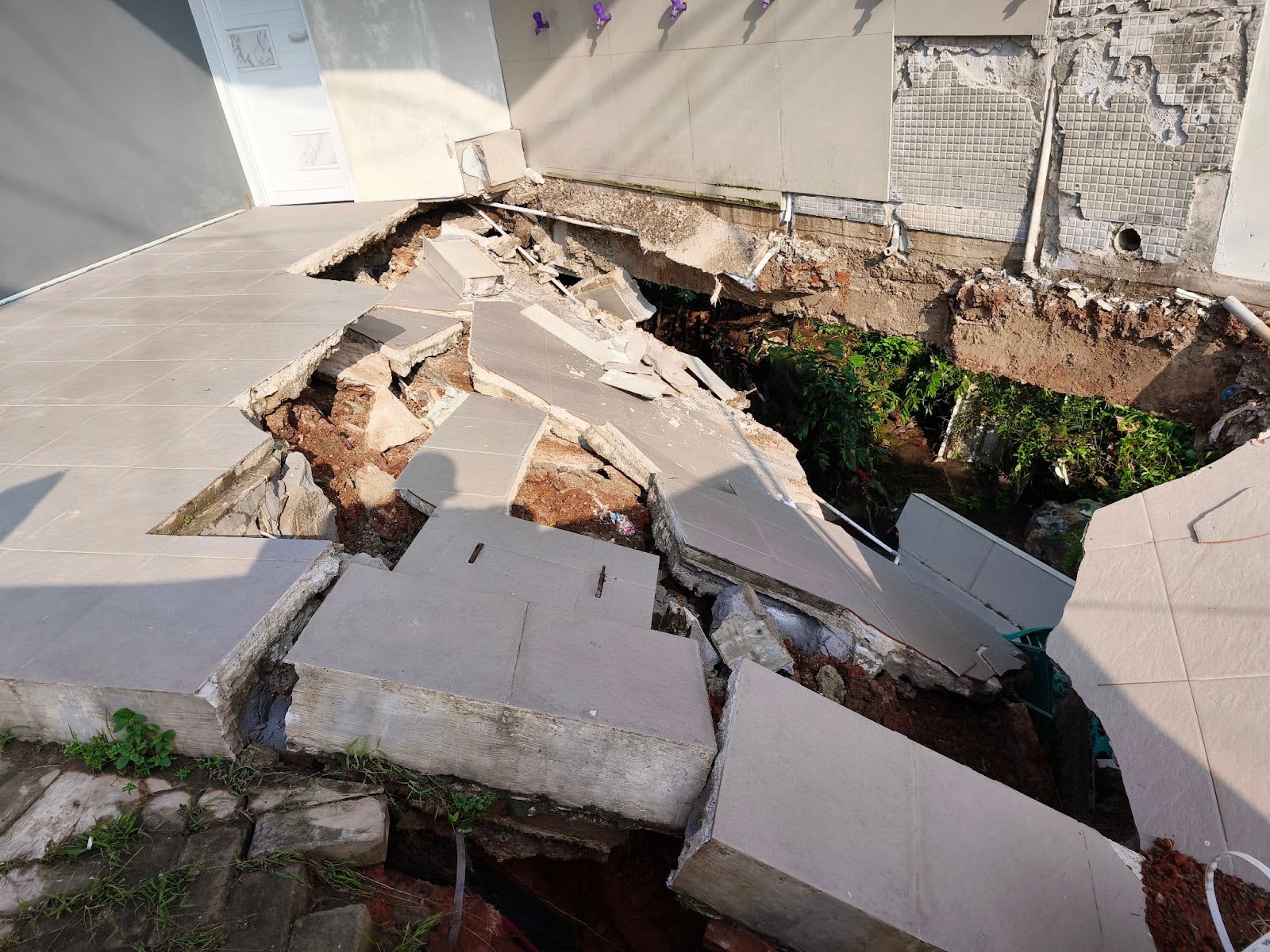
A quiet evening can change in seconds. A loud crack from the roof, water spreading across the floor, or smoke filling a room is all it takes. Property owners dealing with property damage cases in Atlanta often face more than just repair bills. They also face confusing insurance rules, paperwork, and deadlines. Homes and businesses across Atlanta deal with storm damage, fire loss, and plumbing failures every year. Filing an insurance claim should feel straightforward, but it often brings unexpected challenges. Taking the right steps early can protect your rights and improve the outcome of your claim.
Property Damage Can Happen Fast
Atlanta’s weather can shift quickly. Heavy rain, strong winds, and severe storms can damage roofs, siding, windows, and foundations. Water intrusion may lead to mold and long-term structural problems. Fire damage can destroy both the structure and the personal belongings inside. For business owners, the impact can go even further. Repairs may force a temporary shutdown, leading to lost income and added stress.
The first reaction is often panic. You may be thinking about repair costs, temporary housing, or how long your business will be closed. While those concerns are real, staying organized from the beginning can make a major difference.
Join The European Business Briefing
New subscribers this quarter are entered into a draw to win a Rolex Submariner. Join 40,000+ founders, investors and executives who read EBM every day.
SubscribeDocument Everything Right Away
Documentation is one of your strongest tools.
Start by taking clear photos and videos of all visible damage. Capture wide shots of each room and close-ups of specific problem areas. Photograph damaged floors, ceilings, walls, furniture, and exterior areas. If it is safe, document the cause of the damage, such as a fallen tree or burst pipe.
Keep damaged items until the insurance company has inspected them. Throwing items away too soon can make it harder to prove your loss. Save receipts for emergency repairs and temporary living expenses. Write down the date the damage occurred and keep notes about your conversations with the insurance company. These small details may become important later.
Notify Your Insurance Company Promptly
Most insurance policies require you to report damage quickly. Contact your insurer as soon as possible. Provide clear and honest information about what happened. Avoid guessing about the cause if you are unsure.
Keep track of every phone call and email. Write down the name of the representative you speak with and the date of the conversation. Ask for written confirmation of any decisions made about your claim. Organized communication can help protect you if disagreements arise.
Understand Your Policy Before Accepting an Offer
Insurance policies contain specific terms, limits, and exclusions. Many people do not read their full policy until they need to file a claim. Taking time to review your coverage can prevent misunderstandings.
Pay attention to:
- Coverage limits
- Deductibles
- Exclusions for certain types of water damage
- Replacement cost versus actual cash value
- Time limits for filing claims
Replacement cost coverage generally pays to repair or replace damaged property without subtracting depreciation. Actual cash value coverage reduces payment based on age and wear. The difference can affect how much you receive.
If any part of your policy seems unclear, consider asking questions before agreeing to a settlement.
Review Settlement Offers Carefully
After inspecting the property, the insurance company will usually provide a repair estimate. Review it closely. Construction and labor costs in Atlanta can vary depending on demand and material prices. An initial offer may not always reflect the true cost of restoring your property.
Compare the insurer’s estimate with quotes from licensed contractors. If certain repairs are missing or underpriced, raise those concerns in writing. Accepting a settlement too quickly may limit your ability to request additional compensation later.
Watch for Delays or Denials
Georgia law requires insurance companies to handle claims in good faith. Even so, delays and denials sometimes occur.
Be alert for signs such as repeated requests for the same documents, long periods without updates, unclear explanations for partial payments, or a denial that does not clearly reference policy language.
If your claim is denied, request a written explanation that points to the exact policy terms involved. Understanding the reason behind the denial helps you determine your next steps.
Avoid Common Mistakes
Stress can lead to rushed decisions, and rushed decisions can weaken your insurance claim.
Do not discard damaged items before inspection. Avoid making permanent repairs until the insurance company has had a chance to evaluate the loss, unless emergency repairs are necessary to prevent further damage. If you must act quickly, document everything first.
Be cautious with recorded statements and provide consistent information. Pay close attention to deadlines listed in your policy. Missing one can affect your right to recover payment.
Consider Legal Support for Complex Claims
Some property damage claims are resolved smoothly. Others involve disputes over coverage, repair scope, or payment amounts. Large losses, business interruption claims, or denied coverage may require additional guidance.
An attorney experienced in insurance disputes can review your policy, assess settlement offers, and communicate directly with the insurer on your behalf. Seeking advice early can prevent small issues from becoming larger problems.
Final Thoughts
Property damage affects more than buildings. It disrupts routines, finances, and peace of mind. Taking careful and organized steps after a loss can protect your interests and improve the chances of a fair outcome.
Homeowners and business owners managing property damage cases in Atlanta benefit from clear documentation, prompt communication, and a strong understanding of their insurance coverage. In a growing and weather-prone city like Atlanta, preparation and awareness remain key to protecting your property and your future.