































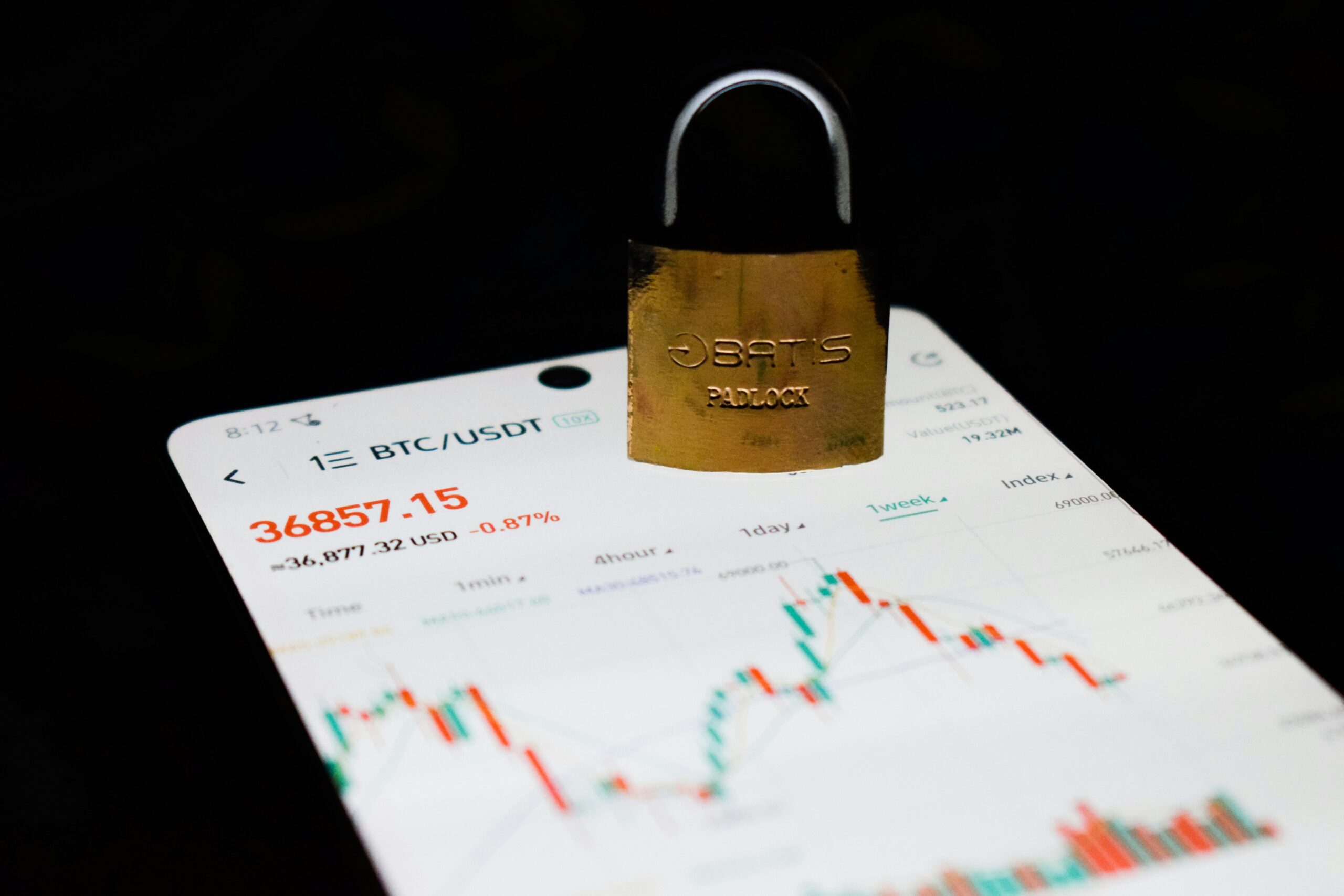
Anonymity in cryptocurrency trading has received significant traction among users who want privacy and faster onboarding. It is possible to find a variety of platforms that allow transactions without KYC verification, providing greater flexibility to traders but also presenting perceived risks. Anonymity will increase the risk of fraud, manipulation, and insolvency, yet the reality of operations proves this claim wrong.
 Most threats would be addressed through strong internal risk management, advanced surveillance, and automated procedures that do not interfere with privacy. The risk management of such exchanges is analyzed, demonstrating that anonymity does not imply that such exchanges cannot be effectively controlled and that robust systems are in place to maintain the market and the security of assets held by users.
Multi-Layer Security Architecture
Transactions based on a multi-layered security system to protect funds and transactions are based on anonymous trading. Cold and hot wallet segregation entails that the majority of assets are offline, as the liquidity of trading is maintained. Multi-signature authentication systems require multiple authorizations to transmit funds, making single-point failures less significant. A pattern of suspicious behavior is detected through constant surveillance before it escalates, and external security certification procedures ensure the infrastructure is reliable. The combination of these measures reduces the risks posed by internal and external threats, and traders can conduct transactions without verifying their identity.
Liquidity Risk and Market Stability Controls
A good liquidity pool should prevent an anonymous crypto exchange from manipulating prices and causing sudden bursts of volatility. Derivative positions are programmed, and liquidation engines are provided to ensure that accounts about to become insolvent are closed systematically. Unexpected losses are hedged or risk retained, and trade execution is optimized during high market stress using slippage management tools. This kind of coordinated activity helps keep markets intact, so you can trade with confidence without exposing the platform to excessive financial risk, even in highly leveraged or volatile markets.
Counterparty and Systemic Risk Mitigation
The unidentified trading on real-time margin and strict adherence to position limits is an active management of counterparty and systemic risk. High-risk positions are automatically liquidated to avoid contagion from instability, and the funding rate is dynamically adjusted to balance leveraged markets. This proactive approach will ensure that no single player destabilizes the markets and systemic shocks are contained within a limited period. The sites are economically sound due to automated regulations and round-the-clock surveillance that protect traders and the exchange’s business infrastructure.
Risk Control Framework Comparison
|
Risk Category
|
Traditional Exchange
|
High-Leverage Platform
|
Anonymous No-KYC Exchange
|
Hybrid Compliance Exchange
|
Advanced Derivatives Platform
|
|
Identity Risk
|
Verified users
|
Verified users
|
Anonymous
|
Tiered
|
Anonymous core
|
|
Margin Monitoring
|
Yes
|
Advanced
|
Advanced
|
Advanced
|
Real-time AI monitoring
|
|
Liquidation Engine
|
Basic
|
Aggressive
|
Automated
|
Automated
|
High-speed automated
|
|
Wallet Security
|
Multi-sig
|
Multi-sig
|
Multi-sig
|
Multi-sig
|
Multi-sig + cold storage
|
|
External Audits
|
Optional
|
Yes
|
Independent
|
Mixed
|
Certified auditors
|
This table highlights how the use of anonymous exchanges can raise risk management to the same level, or even higher, as on conventional platforms. The identity check is replaced with more advanced automation, and the margin checking, liquidation engines, and wallet security are also highly secured.
Technology-Driven Monitoring Without Identity Dependence
Unverified interactions are based on recognizing behavioral patterns and not information about an individual. The velocity control of transactions detects unusual spikes in trade, and blockchain analytics tracks suspicious transactions. This is because the withdrawal pattern anomaly is identified to inform the system of the possible exploits that can be averted without revealing the identity of users. They are technological practices that minimize access to sensitive personal information but offer broad-based monitoring, ensuring the security of the operations, and excluding possible exposure to illegal activity.

Key Risk Controls in Anonymous Trading
-
Automated liquidation systems: Automatically close risky positions before insolvency impacts platform stability, maintaining financial order.
-
Real-time margin recalculations: Continuously adjust collateral requirements during volatile periods, preventing excessive exposure.
-
Position size caps: Limit individual trade sizes to avoid destabilizing markets and reduce systemic risk.
-
Multi-signal wallet approvals: Require multiple internal confirmations to mitigate internal fraud and external breaches effectively.
-
Continuous market surveillance: Monitor for price manipulation or abnormal trading patterns in real time, ensuring fair markets.
All these controls offer a secure trading environment for users who treasure their privacy when trading in complex markets.
Regulatory Registration and Operational Transparency
Anonymous transactions can also achieve compliance without the KYC imposed on all users. The legal basis for the operation and reporting of compliance certifications that create trust is established by laws issued by financial regulators. Infrastructure integrity is verified through independent blockchain security audits, and accountability is evidenced by transparent communication of security practices. These will give users confidence that their assets are safe, even when they keep their personal information confidential.
Derivatives Trading and Risk Amplification Controls
Derivatives create high leverage that amplifies potential gains and losses. This is taken care of through responsible exchanges that have clear funding rates, real-time risk disclosure, and tutorials on contract trading. These built-in features guide users through complex strategies and prevent excessive exposure. These mechanisms, combined with automated margin and liquidation systems, maintain the stability of the platforms, enabling participation in high-risk markets safely, even in anonymity.
Zoomex Approach to Risk in Anonymous Trading
Zoomex is a good example of how a no-KYC model can be applied within a tight risk management system. The multi-signature cold and hot wallet protection secures assets, and Hacken certification ensures compliance with blockchain safety standards. Registration with FINTRAC, AUSTRAC, and FinCEN provides a legal framework that does not affect users’ privacy. A high-speed trading engine with sub-10ms latency removes the execution risk, and derivative management systems automatically handle margin, liquidation, and position limits. This privacy, automation, and compliance bundle is an effective framework for secure, anonymous trading.
Conclusion
Anonymous trading does not prevent exchanges of risk management responsibilities. These platforms should be based on automation, depth of liquidity, and technology-driven monitoring, rather than user identity. Privacy-oriented models may be combined with regulatory registration and independent audits to promote legal and operational transparency. Balancing high security and automated risk management with market monitoring, anonymous transactions enable a sustainable ecosystem where traders can be free without compromising safety and stability.