





























 Studies estimate that, in 2021, over 63 tons of cargo were transported in the US alone. A further 13 million tons of products were moved by freighter aircraft in the EU.
In short, it’s a big business, but logistics are also highly competitive. Costs need to be kept to a minimum. It’s one of the main reasons converting passenger aircraft to freighter aircraft has been the popular option.
Cost – effective
Join The European Business Briefing
New subscribers this quarter are entered into a draw to win a Rolex Submariner. Join 40,000+ founders, investors and executives who read EBM every day.
SubscribeIt’s generally much cheaper to convert a passenger plane to carry cargo than it is to build a freighter aircraft. In most cases, a used passenger plane is purchased at a significant discount and then repurposed.
Fast
 Statistically, it can take over a year to build a freighter aircraft from scratch. Converting an existing passenger plane is much faster. Carrier companies need speed when dealing with sudden surges in demand.
Sustainable Approach
Old planes are often sent to the plane graveyard and left. Re-using them instead of building new is a more environmentally friendly approach. You’re extending the life of old planes and avoiding the harmful emissions involved in building a new plane.
Why The Switch to Freighter Aircraft
 Despite the apparent appeal of conversions, purpose-built freighter aircraft are becoming an increasingly popular option. There are several reasons why this has happened and the trend is likely to continue.
Certainty of Demand
The number of goods carried by freighter aircraft increases year upon year and there is no reason to think this trend will change. In other words, companies can plan long term and this means purpose-built freighter aircraft.
A purpose-built aircraft shows customers you’re a serious business, helping you beat the competition while looking after the bottom line.
Specialists Loads
Conversions are effective at creating freighter aircraft. However, there are still limitations on size and shape. A purpose-built aircraft can be designed to take more goods and can even handle extra-large or unusual shapes.
Most importantly, purpose built means the aircraft can handle different load types more efficiently, increasing productivity and boosting the bottom line.
This includes reinforced floors, specialist loading equipment, and dedicated load spaces.
Use of Turboprop Aircraft
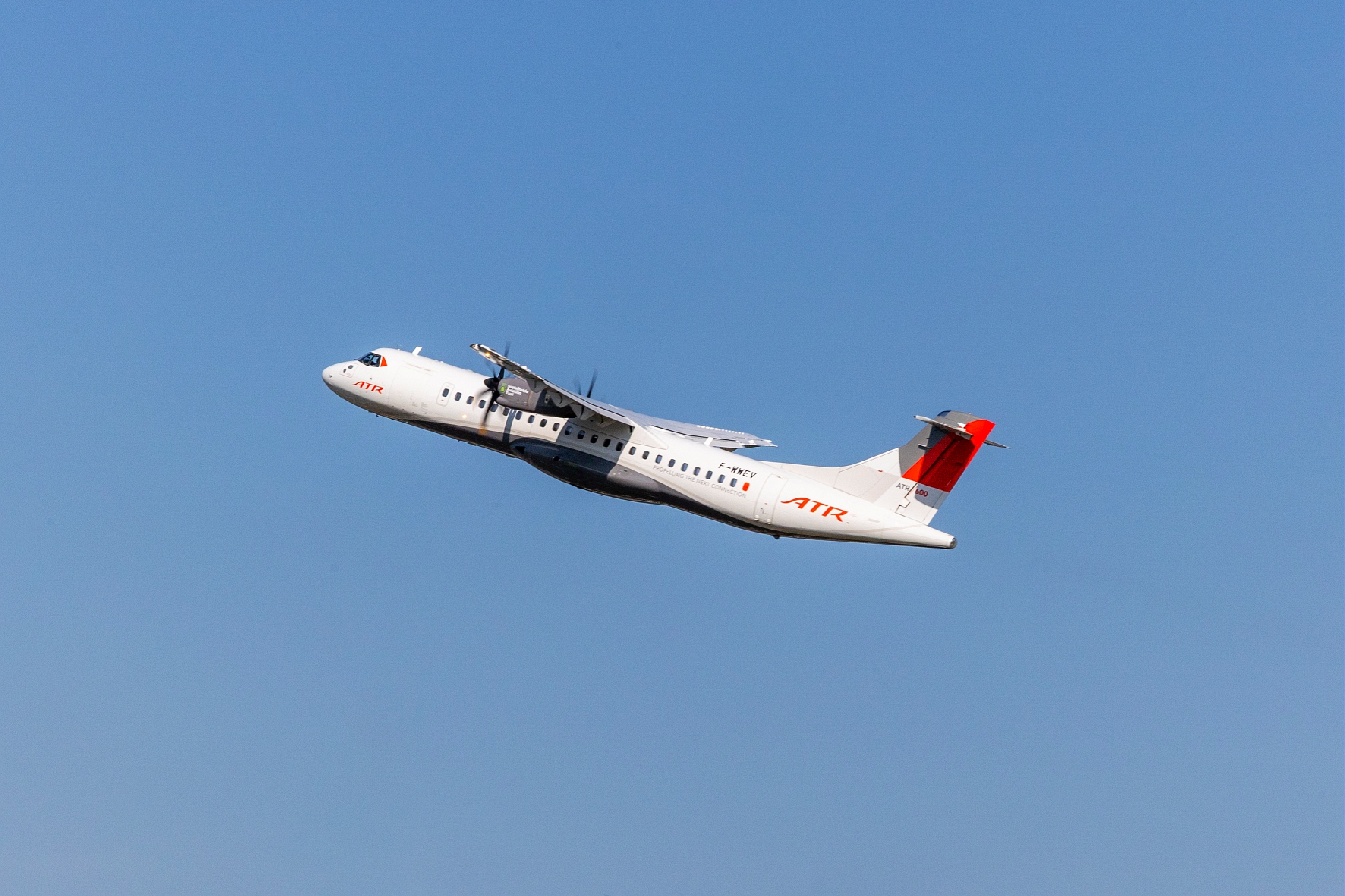
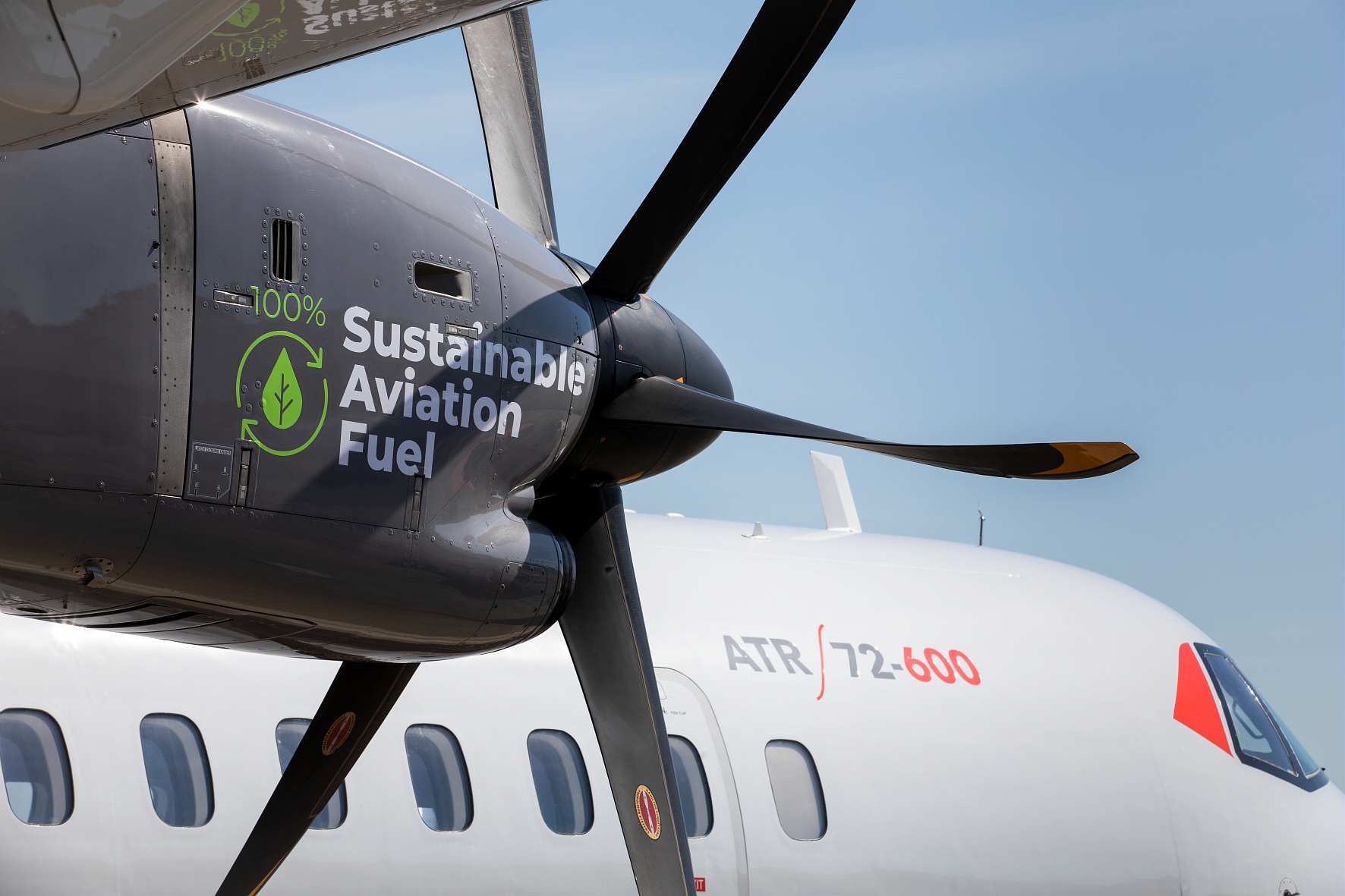
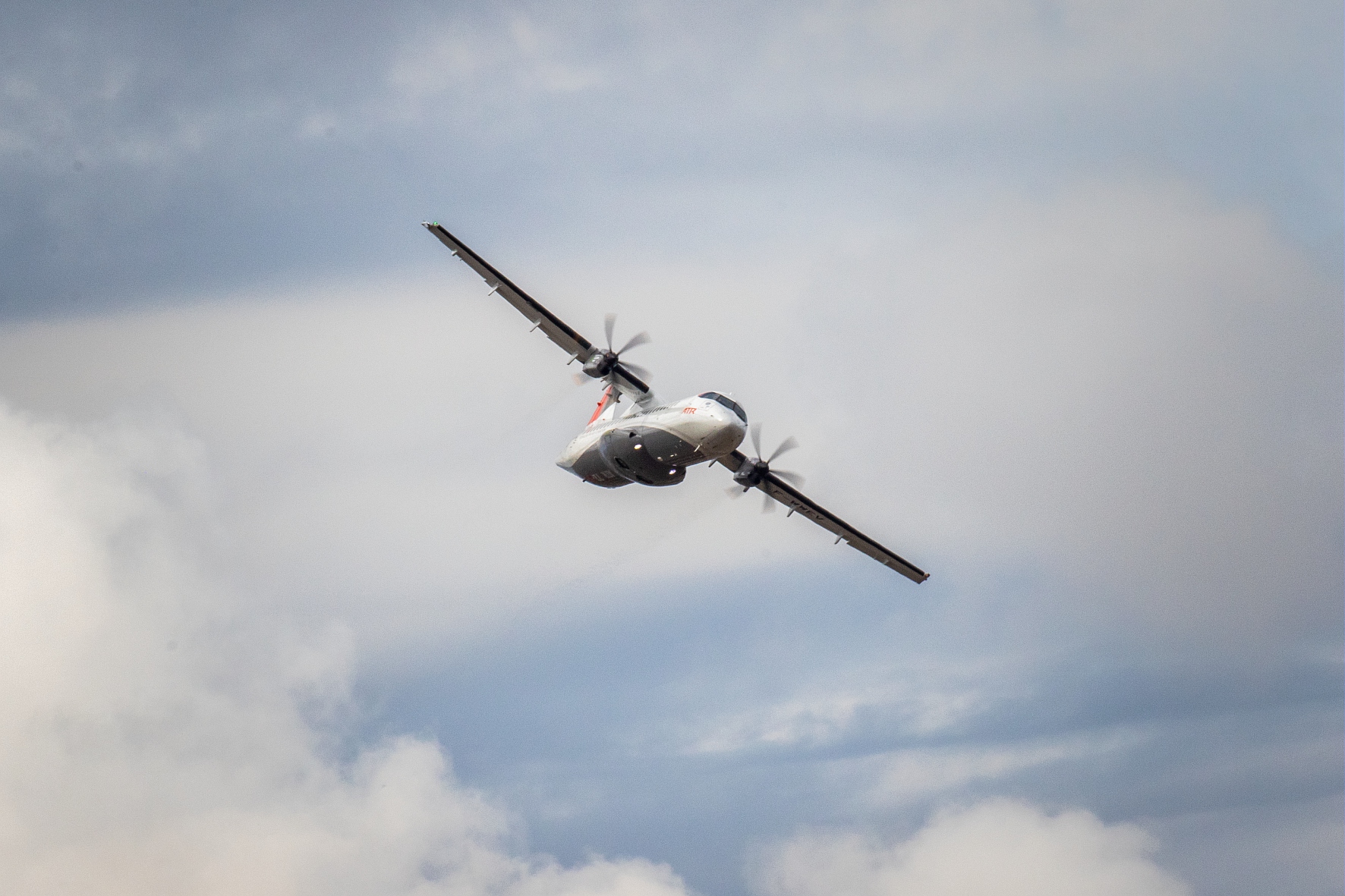
Perhaps the biggest factor in the move to purpose build is the resurgence of the turboprop aircraft. It uses less fuel than a similar size regional jet engine and can land/take off on shorter runways than mentioned jet.
That makes the turboprop an exciting option for freight carriers, especially as it can reach regions that jet aircraft can’t, because they don’t have the landing space.
Turboprop aircraft use less fuel, produce fewer emissions, and can be used where jets can’t. It’s little wonder that turboprop aircraft are in-demand as freighter aircraft.
Summing Up
From the moment freight was carried on a plane it became inevitable that purpose-built freighter aircraft would be created. Thanks to the continued development of the turboprop, it has become the go to option for all airlines seeking a cost-effective solution that can go virtually anywhere.
Their efficiency, practicality, and flexibility are the main reasons purpose-built aircraft have become vital to the freight industry.