






























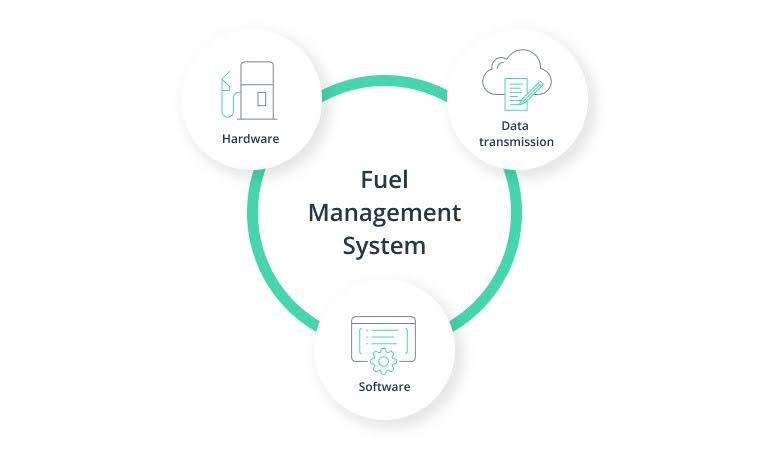
Rising fuel prices continue to put pressure on fleet margins, making fuel one of the most volatile and impactful operating expenses. Industry data shows that fuel typically accounts for 30–40% of total fleet operating costs, with some estimates placing it even higher depending on fleet size and vehicle type. As energy markets remain unpredictable through the late 2020s, controlling fuel spend has become a strategic priority rather than a back-office function.
In response, fleet operators are moving away from manual logs, fuel cards, and spreadsheet reconciliation toward real-time, data-driven optimization. Around 60% of fleet managers now rank fuel management as their top operational priority, while digital platforms with live fuel tracking are already used by more than 60% of global fleets. This shift enables faster anomaly detection, automated reporting, and measurable efficiency gains.
Modern fleet fuel management platforms play a central role in cost control, regulatory compliance, and sustainability initiatives. Fleets implementing advanced fuel management software report average fuel cost reductions of 15–20%, alongside improved MPG performance and lower emissions exposure. At the same time, growing regulatory pressure and decarbonization targets are accelerating investment in fuel monitoring, telematics, and alternative energy tracking capabilities.
Join The European Business Briefing
New subscribers this quarter are entered into a draw to win a Rolex Submariner. Join 40,000+ founders, investors and executives who read EBM every day.
SubscribeWhen selecting software today, fleets prioritize capabilities that extend beyond basic consumption tracking. Real-time analytics, IoT sensor integration, predictive reporting, and cloud connectivity are now standard expectations, with over 42% of adopters integrating smart sensors and a rapidly expanding share deploying AI-driven fuel analytics. As digital fleet ecosystems scale toward 2030 and beyond, fuel data is becoming a core intelligence layer for operational, financial, and environmental decision-making.
Advanced Analytics and Fuel Consumption Intelligence
Advanced analytics transforms how fleets monitor and optimize fuel usage, providing actionable insights across vehicles, routes, and drivers in real time. Sensors and telematics systems track fuel levels, consumption rates, and engine performance, allowing fleet managers to see exactly where and how fuel is being used. This granular visibility helps identify inefficiencies, such as excessive idling, frequent acceleration, or suboptimal routing, that would otherwise remain hidden.
AI-driven tools further enhance fuel management by forecasting consumption patterns and detecting anomalies. By analyzing historical data alongside real-time inputs, these systems can predict fuel needs for upcoming trips, flag unusual consumption, and alert managers to potential issues before they escalate. This predictive capability reduces unexpected costs and supports smarter planning for refueling and route selection.
Fuel theft, leaks, and inefficient driving behaviors can significantly impact margins, but advanced analytics enables early detection. By comparing actual fuel usage against benchmarks and expected consumption, fleets can pinpoint irregularities and take corrective action promptly. This level of monitoring not only safeguards resources but also reinforces driver accountability.
Benchmarking fuel performance by fleet segment, vehicle type, or region allows managers to identify best practices and underperforming areas. Data visualization dashboards compile these insights into intuitive charts and reports, enabling informed operational decisions. With these tools, fleet managers can optimize fuel usage, reduce costs, and improve overall efficiency while making strategic decisions grounded in comprehensive, real-time intelligence.
Integrations with Telematics, ERP, and Payment Systems
Modern fuel management solutions rely heavily on seamless integration with existing fleet technologies to deliver comprehensive oversight. Native connections with telematics and GPS tracking platforms provide real-time vehicle location, route data, and engine diagnostics, enabling precise correlation between driving behavior and fuel consumption. This integration ensures that fleet managers can monitor performance continuously without manual data entry or fragmented reporting.
Connectivity with fuel card providers and payment gateways streamlines fuel purchasing, allowing transactions to be automatically logged and reconciled. This reduces errors, prevents unauthorized spending, and simplifies auditing. By linking fuel data directly to ERP and accounting systems, organizations can accurately allocate fuel costs across departments, projects, or regions, providing clearer financial visibility and better budget control.
Integration with maintenance systems adds another layer of insight by connecting fuel usage to vehicle health. Monitoring fuel consumption alongside maintenance data helps identify inefficient vehicles, schedule preventive maintenance, and extend asset lifespan. Additionally, open API ecosystems allow custom data flows across fleet operations, enabling companies to tailor reporting, automation, and analytics according to their specific operational needs.
Through these integrations, fleets gain a unified view of fuel consumption, costs, and operational efficiency. The result is more accurate decision-making, streamlined workflows, and a stronger foundation for cost optimization and sustainability initiatives.
Automation and Workflow Optimization
Automation plays a pivotal role in streamlining fuel management and reducing operational inefficiencies. Systems that capture and validate fuel transactions automatically eliminate manual entry errors and ensure that every purchase is accurately recorded. Rule-based alerts further enhance control by notifying managers of overspending, unauthorized purchases, or policy violations, allowing swift corrective action.
Smart approval workflows and automated expense reconciliation simplify financial oversight. Fuel transactions can be routed through predefined approval chains, matched with driver and vehicle records, and reconciled against budgets without manual intervention. This reduces administrative burden while improving compliance and accountability across the fleet.
Beyond financial controls, automation supports operational efficiency through route and load optimization. By analyzing historical data, traffic patterns, and vehicle performance, fleets can plan routes and loads that minimize fuel consumption, lower idle time, and reduce unnecessary mileage.
COAX Software brings specialized expertise in designing automation-driven fleet platforms tailored to logistics workflows. Their solutions combine transaction automation, policy enforcement, and operational optimization into a unified system, enabling fleets to save fuel, reduce costs, and enhance overall efficiency without adding complexity to day-to-day operations.
Reporting, Compliance, and Sustainability Tracking
Effective fuel management extends beyond operational control to include reporting, compliance, and sustainability. Advanced platforms offer custom fuel cost and tax reporting that adapts to multiple jurisdictions, ensuring accuracy in financial tracking and simplifying tax obligations. Integrated compliance tools provide audit-ready documentation, helping fleets meet regulatory requirements with minimal manual effort.
Sustainability tracking is increasingly critical for modern fleets. Systems that monitor carbon emissions and support ESG reporting allow companies to measure their environmental impact, track progress toward reduction goals, and demonstrate accountability to stakeholders. Historical trend analysis further enhances planning by revealing patterns in fuel consumption, costs, and emissions over time, enabling more precise budgeting and operational forecasting.
Exportable reports tailored to finance, operations, and executive teams consolidate complex data into actionable insights. These dashboards support informed decision-making, facilitate cross-departmental collaboration, and provide transparency into both fiscal performance and environmental initiatives. By combining compliance, reporting, and sustainability tracking, fleets can optimize costs, reduce risk, and strengthen their commitment to responsible operations.
Turning Fuel Data Into Fleet Profitability
Effective fuel management relies on a combination of advanced analytics, seamless integrations, automation, and comprehensive reporting. These capabilities provide fleets with real-time insights, operational control, and financial visibility, transforming fuel from a volatile expense into a manageable and optimizable resource.
Adopting scalable, future-ready fuel management platforms delivers strategic value by supporting growth, improving efficiency, and enabling data-driven decision-making. When paired with technology partnerships, fleets can accelerate deployment, leverage specialized expertise, and achieve faster return on investment.
In 2026 and beyond, fuel data is more than an operational metric—it is a competitive advantage. Fleets that harness real-time consumption intelligence, predictive analytics, and automation not only reduce costs but also enhance sustainability, compliance, and overall operational performance, positioning themselves for long-term profitability and market leadership.