





























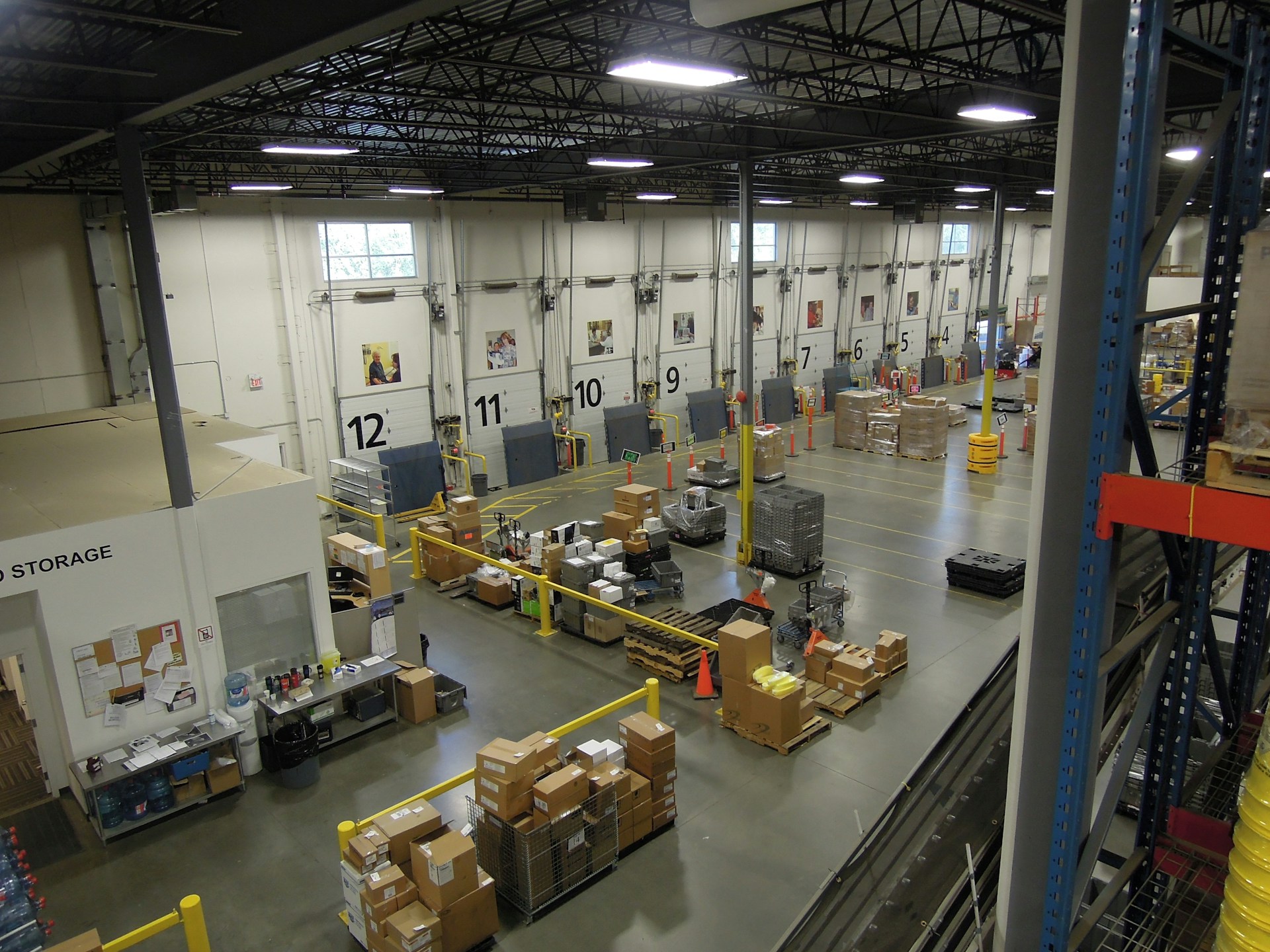
You order something at 2 AM. Maybe it’s a blender. Maybe it’s a 100-pack of glow-in-the-dark shoelaces. Doesn’t matter. Two days later, it shows up at your door, as if by magic. But there is no magic. There’s just a ridiculous amount of logistics and, at the heart of it all, warehouses.
Warehouses are like the kidneys of the global supply chain — filtering, sorting, and redistributing everything so the whole system doesn’t collapse in on itself.
But not all warehouses are the same. Some are high-tech fortresses run by robots. Others are just big storage rooms with a really enthusiastic guy on a forklift. So, let’s break down the different kinds of warehouses and why they exist.
Join The European Business Briefing
New subscribers this quarter are entered into a draw to win a Rolex Submariner. Join 40,000+ founders, investors and executives who read EBM every day.
Subscribe1. Public Warehouses: Storage for Commitment-Phobes
Picture a giant storage unit that businesses can rent whenever they need extra space. That’s a public warehouse.
Companies don’t have to build their own facility, which is great if they only need storage for a little while or aren’t quite ready to commit to warehouse ownership (because, you know, that’s a big step in any relationship).
The best part? These warehouses often come with logistics services, like shipping and packaging, so businesses can focus on selling stuff instead of figuring out where to put it.
Best for: Small businesses, seasonal inventory, and anyone who doesn’t want a long-term warehouse relationship.
2. Private Warehouses: The Billionaire Bunkers of Storage
On the other side, we have private warehouses, which are basically the luxury mansions of storage. These are massive, custom-built facilities owned by companies that move obscene amounts of inventory and want total control over their logistics.
Amazon has private warehouses. Walmart has private warehouses. You and I? Not so much. Owning one of these is like having a bat cave — crucial (not to mention pretty cool) if you can afford it, but really unnecessary if you can’t.
Best for: Big companies that love control and hate sharing.
3. Bonded Warehouses: A Government-Approved Waiting Room
Let’s say you’re importing 10,000 rubber ducks from China.
Before they can legally enter your country, you have to pay import duties. But what if you don’t want to do that right away? Enter bonded warehouses — special government-regulated storage facilities where your ducks can chill, duty-free, until you decide to move them.
It’s kind of like a holding cell for imports, but way less dramatic.
Best for: Businesses that deal with international shipping and hate paying customs fees too soon.
4. Smart Warehouses: Where Robots Steal Our Jobs
These warehouses are straight out of a sci-fi movie. Instead of humans running around with clipboards, everything is handled by AI, conveyor belts, and tireless little robot workers who never need coffee breaks.
Amazon is the king of smart warehouses, with thousands of robots scuttling around sorting and shipping things with terrifying efficiency. Smart warehouses are constantly working, processing, and fulfilling orders at speeds that make humans look hilariously inefficient.
Best for: E-commerce giants, tech-savvy businesses, and anyone who welcomes the robot uprising.
5. Cold Storage Warehouses: Refrigerators for the Apocalypse
If you’re storing ice cream, vaccines, or anything that melts/spoils/explodes at room temperature, you need a cold storage warehouse. These places have insane climate controls, making sure that everything stays perfectly chilled (or frozen) until it’s time to ship out.
Running one of these isn’t cheap — electricity bills alone could probably fund a small country. But without them, your local grocery store would be a disaster zone.
Best for: Food companies, pharmaceutical suppliers, and people hoarding Ben & Jerry’s.
6. Distribution Centers: The Hyperactive Pit Stops
Warehouses store things. Distribution centers move things. These places are all about speed. Goods come in, get sorted, and go out almost immediately. Think of it as an airport for products; no one stays for long, and everything is on a tight schedule.
Best for: Retailers, e-commerce businesses, and logistics managers who live for efficiency.
7. Consolidation Warehouses: The Carpool of Shipping
Ever noticed how carpooling is more efficient than driving alone? Consolidation warehouses do the same thing but for freight. Instead of sending out tiny shipments that waste space and money, these warehouses combine multiple shipments into one big delivery.
It’s basically logistics optimization at its finest.
Best for: Companies that want to cut shipping costs without losing their minds.
8. Fulfillment Centers: The Main Reason Your 2 AM Impulse Buys Arrive So Fast
Amazon Prime didn’t invent fast shipping, but it did perfect it with fulfillment centers. These warehouses don’t just store stuff — they pick, pack, and ship it directly to customers, all at lightning speed.
If you’ve ever impulsively bought a random gadget online and had it show up 24 hours later, you have a fulfillment center to thank.
Best for: Online stores, e-commerce addicts, and people who hate waiting.
9. Hazardous Materials Warehouses: Storage With a Side of Danger
Some things can’t be thrown into a regular warehouse. Think explosives, chemicals, or radioactive materials. These warehouses are built with insane safety measures because, well, the alternative is “boom.”
Storing hazardous materials comes with a ton of regulations, and if you screw it up, it’s not just a financial loss — it’s a “this-might-make-national-news” kind of disaster.
Best for: Companies dealing in dangerous goods, mad scientists, and people who enjoy high-stakes logistics.
10. Cross-Docking Warehouses: Storage? Never Heard of It.
These places barely count as warehouses because they don’t actually store anything. Instead, they act as transfer stations — goods come in, get sorted, and go right back out. No sitting around. No getting comfy.
If speed is your top priority, cross-docking is the way to go.
Best for: Companies that live for fast delivery and hate the idea of long-term storage.
Why Warehouse Inventory Management Matters
No matter what kind of warehouse we’re talking about, one thing is certain: if you don’t have warehouse inventory management, everything turns into a disaster. Products disappear, orders get mixed up, and customers start rage-posting on Twitter.
Final Thoughts
Warehouses might not be glamorous, but they keep the world running. Without them, stores would be empty, online shopping wouldn’t work, and supply chains would collapse into chaos.
So, next time you receive an Amazon package in record time, take a moment to appreciate the wild, highly organized world of warehouses that made it happen. Or don’t. But at least now you know what’s going on behind the scenes.