



























You’re Probably Not Overthinking This
If you’ve ever paused before using a free transcription tool, that hesitation likely came from experience.
For years, free transcription earned its reputation. Accuracy was inconsistent. Formatting was unreliable. Cleaning up the output often took longer than listening to the audio again. Being cautious wasn’t negativity — it was common sense.
Join The European Business Briefing
New subscribers this quarter are entered into a draw to win a Rolex Submariner. Join 40,000+ founders, investors and executives who read EBM every day.
SubscribeWhat’s different now isn’t that standards have dropped, or that accuracy suddenly matters less. It’s that people use transcription differently. Most aren’t looking for publish-ready text. They want to follow conversations, capture ideas, or avoid replaying the same recording for the third time.
So if you’re wondering whether free transcription is finally “good enough,” you’re not alone. And you’re not wrong to stop and think about it. But the answer today is less complicated than it used to be.
Why Free Transcription Used to Feel Like a Risk
Skepticism around free transcription didn’t appear out of thin air. The trade-offs were obvious. Speaker changes were inconsistent. Errors were common. Transcripts often needed so much cleanup that they stopped being useful.
In that context, avoiding free tools wasn’t overly cautious — it was practical. Even for simple tasks, paying for something more stable felt like the safer choice.
What matters now isn’t revisiting those frustrations in detail. It’s acknowledging that hesitation made sense. People weren’t chasing perfection. They just wanted something they didn’t have to second-guess.
That baseline explains why doubts still linger, even as how transcription is used has quietly changed.
Where Free Audio Transcription Online Already Works Well

In everyday situations, transcription isn’t meant to produce a finished document. It’s meant to make spoken content easier to deal with.
That’s where free audio transcription online has become reliable enough for many common uses. Conversations you want to revisit. Interviews you need to reference. Lectures you’d rather skim than rewatch. Internal meetings or rough drafts built from recorded notes.
In these cases, small imperfections matter far less than accessibility. What most people need is a usable first pass — something readable enough to scan, search, and pull ideas from without replaying the original audio.
This doesn’t mean cleanup never happens. It means the trade-off has shifted. For routine tasks, the time saved by having immediate text now often outweighs the time spent fixing minor issues. Framed this way, free transcription feels less like a compromise and more like a practical shortcut.
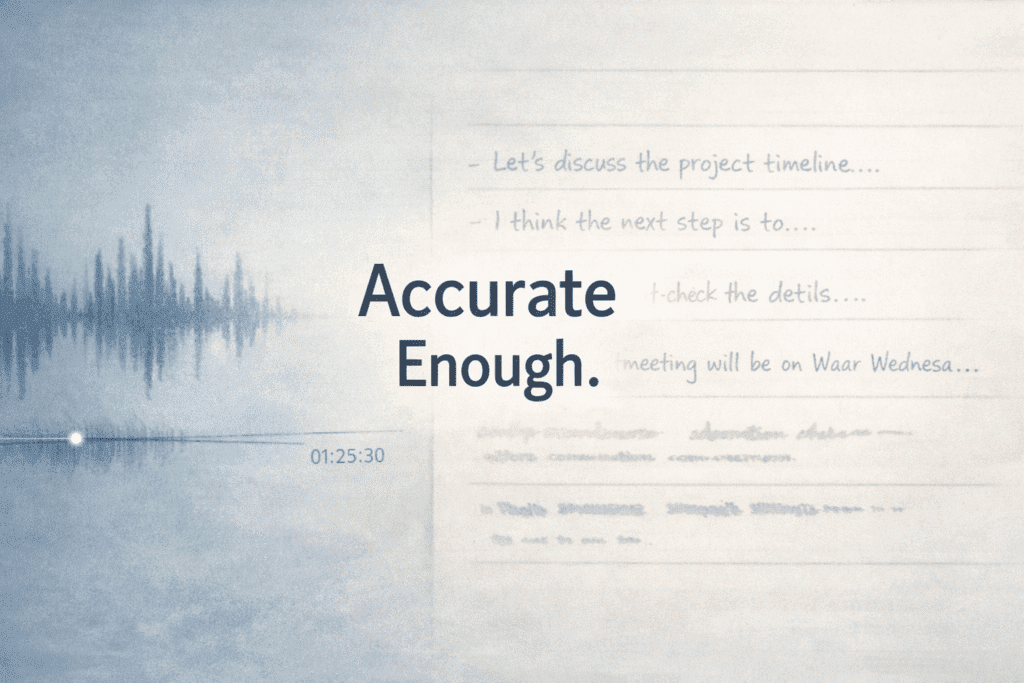
Accuracy Isn’t Perfect — But for Many Uses, It’s Enough
Free transcription hasn’t become flawless, and it doesn’t need to. Misheard words and awkward sentence breaks can still appear, and for certain types of work, that will always be a limitation.
But for many everyday uses, the bar is different. When the goal is to understand a conversation or move work forward without replaying audio, perfection isn’t the requirement. Usability is.
Many modern transcription tools are designed with this reality in mind, focusing on producing transcripts that are readable and immediately useful rather than trying to eliminate every possible edge case.
Seen this way, “accurate enough” isn’t settling. It’s aligning expectations with how transcription is actually used.
What Actually Changed (Without Turning This into a Tech Story)
It’s tempting to explain the improvement in free transcription as a technical leap. For most people, that’s not what made the difference noticeable.
What changed is how narrowly transcription is applied. Instead of expecting one tool to work everywhere, people use it for specific tasks. Short recordings. Clear audio. Everyday language. When expectations match reality, results feel more dependable.
There’s also less pressure for transcripts to be final. Text is something to work from, not something to hand off untouched. That shift alone removes friction. Minor errors matter less when the goal is saving time, not eliminating every follow-up step.
The improvement isn’t dramatic. It’s quiet. Free transcription hasn’t become something new — it’s simply easier to fit into real workflows.
Why Free Tools Feel More Reliable Than They Used To — Quietly
Part of what makes free transcription feel more reliable now is familiarity. People know what to expect.
Instead of assuming it should handle every situation, they use it where it works and skip it where it doesn’t. That makes small errors feel less like failures and more like predictable trade-offs.
Free transcription also isn’t new anymore. Without novelty, disappointment fades. When something behaves consistently — even with imperfections — it starts to feel dependable through repetition, not hype.
When Paying Still Makes Sense — And When It Probably Doesn’t
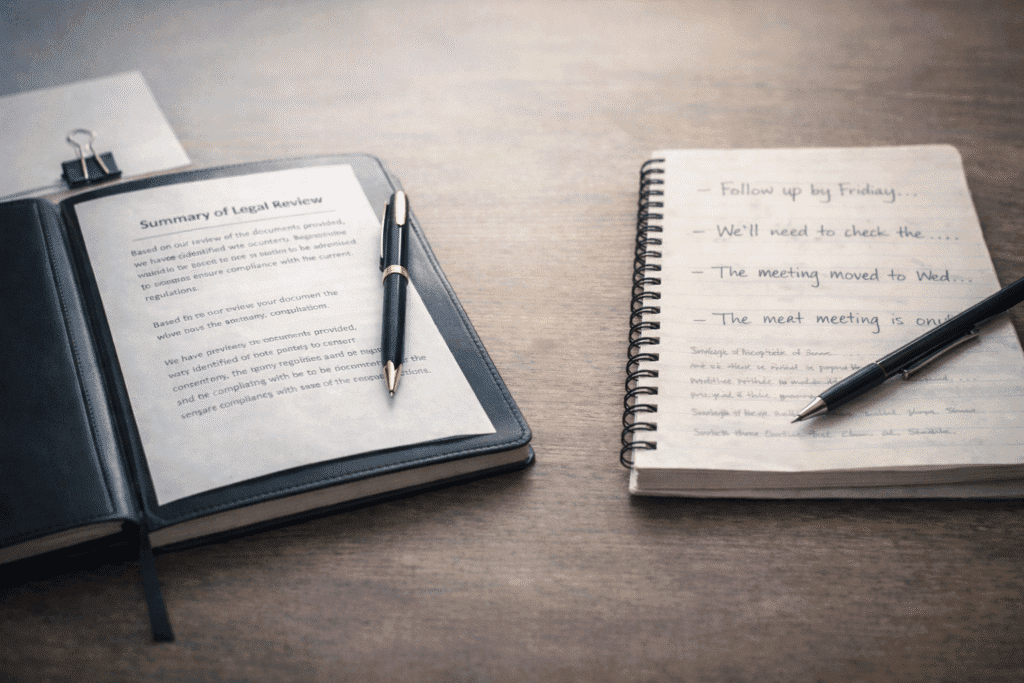
Free transcription isn’t the right choice for every situation.
If accuracy needs to be extremely high, or transcripts are meant for publication, legal review, or long-term records, paying for a specialized solution still makes sense. In those cases, the cost reduces risk and helps avoid downstream corrections.
But many people aren’t operating under those conditions. They’re working with conversations, drafts, internal discussions, or recorded notes where transcription is mainly a way to support ongoing work rather than produce a final, polished document.
In these scenarios, transcription functions as a practical productivity aid. Tools like SoundWise are designed for this kind of everyday use, fitting naturally into existing workflows and making spoken content easier to organize, search, and revisit.
The decision becomes less about price and more about intent. When transcription is a support layer rather than a final deliverable, lightweight and accessible options are often the more practical choice.
“Good Enough” Is Sometimes the Right Place to Stop
Free transcription doesn’t need to be perfect to be useful. For everyday tasks, it just needs to remove friction — to make spoken content easier to revisit, search, and work with.
What’s changed isn’t only the tools, but how people judge them. When expectations are realistic, “accurate enough” stops sounding like a compromise and starts sounding practical.
If you’ve been hesitating because you don’t want to overthink the decision, that hesitation is understandable. But in many cases, the simplest option now does exactly what it needs to do.
Sometimes, that really is enough.