





























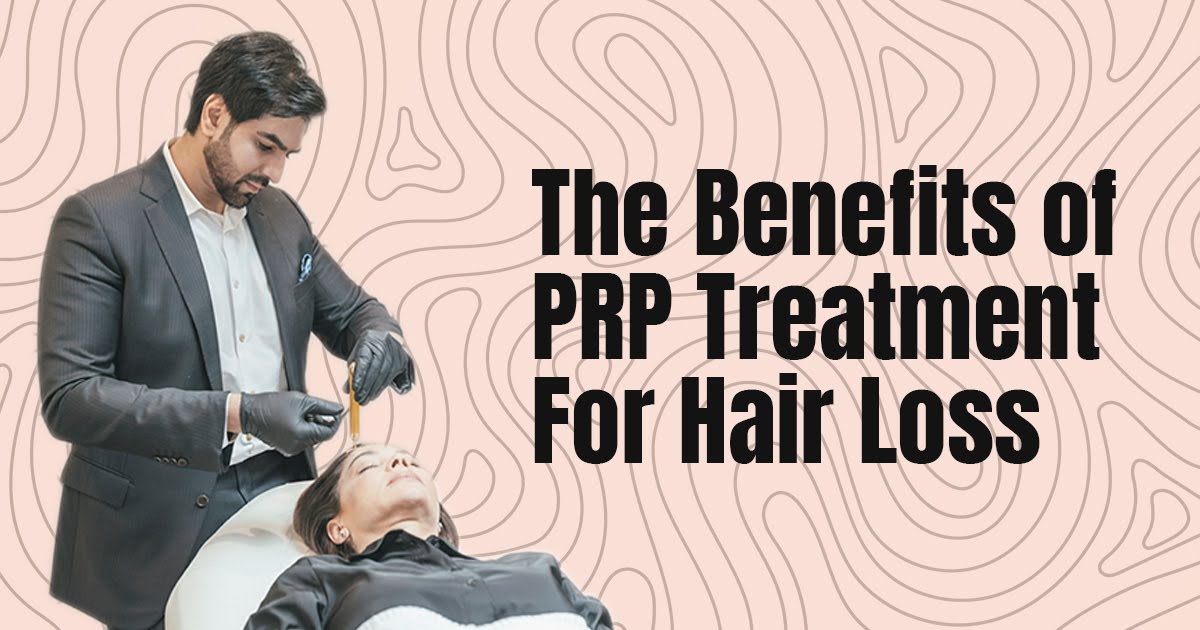
Watching your hair thin or fall out is a big and alarming concern these days. It can take away your confidence, impact your self-image, and leave you desperately searching for answers. Whether it’s genetics, stress, hormones, or aging, the struggle is real and for many, traditional treatments simply fall short.
But what if your body held the power to regrow your hair naturally? Platelet-Rich Plasma (PRP) therapy, a non-surgical treatment, helps address this hair concern by regrowing hair naturally using your body’s own healing factors.
In this article, we’ll break down exactly what PRP is, how it works, and most importantly, why it could be the breakthrough you’ve been waiting for. If you’re tired of hair loss controlling your confidence, reading this might prove helpful for what you’ve been hoping for.
Join The European Business Briefing
New subscribers this quarter are entered into a draw to win a Rolex Submariner. Join 40,000+ founders, investors and executives who read EBM every day.
SubscribeWhat is PRP Therapy?
PRP (Platelet-Rich Plasma) therapy is a natural, non-surgical treatment for hair loss that uses a patient’s own blood to stimulate hair growth. It’s commonly used to treat conditions like androgenetic alopecia, more widely known as male or female pattern baldness. Because it uses your own blood, PRP is considered a safe and minimally invasive option for those looking to slow hair thinning and encourage regrowth.
How PRP Therapy Works
The working procedure of the platelet-rich plasma prp hair treatment is performed through these steps:
- A small amount of your blood (usually from your arm) is drawn.
- The blood is placed in a centrifuge, a machine that spins at high speed to separate red blood cells, platelet-poor plasma, and platelet-rich plasma (PRP), which is rich in growth factors and healing properties.
- The concentrated PRP is injected into the scalp, specifically in areas where hair is thinning or receding.
How PRP Stimulates Natural Hair Growth
PRP (Platelet-Rich Plasma) hair therapy stimulates natural hair growth by enhancing the function and environment of hair follicles through the power of concentrated growth factors. When PRP is injected into the scalp, it targets the hair follicles directly, especially those that are weak, miniaturised, or in a dormant state.
Growth Factors in PRP and Their Role
Platelets are a vital component of blood, primarily known for their role in wound healing. However, they also contain over 30 bioactive proteins, including key growth factors like:
- Platelet-Derived Growth Factor (PDGF)
- Vascular Endothelial Growth Factor (VEGF)
- Transforming Growth Factor (TGF)
- Epidermal Growth Factor (EGF)
- Insulin-Like Growth Factor (IGF)
These growth factors signal the body to initiate cellular repair, increase cell proliferation, and promote collagen and elastin production. When applied to the scalp, they stimulate the stem cells in and around the hair follicles, triggering renewal and regrowth.
How to Improve Blood Supply to Hair Follicles?
One of the most important effects of PRP therapy is its ability to improve blood circulation to the hair follicles. Many cases of hair thinning are caused by inadequate blood flow, which deprives follicles of oxygen and essential nutrients.
The VEGF in PRP helps promote the formation of new blood vessels (angiogenesis), ensuring that the hair roots receive better nourishment. This enhanced blood flow means that each follicle is more likely to survive and produce stronger, thicker hair over time. It also helps flush out waste products that may otherwise contribute to inflammation.
Who is a Good Candidate for PRP?
PRP therapy works best in individuals who are in the early stages of hair thinning and still have active or semi-active hair follicles. It is also ideal for people who are generally healthy and not dealing with hair loss due to scarring, autoimmune disease, or other underlying medical conditions.
To receive the best PRP hair treatment in Dubai, consulting with a qualified provider can help determine if PRP is suitable for your specific hair loss pattern. Your aesthetic specialist will guide you through the process and also prescribe pre-treatment precautions.
Key Benefits of PRP Treatment For Hair Loss
Getting a PRP treatment gives you mild discomfort, but it also comes along with multiple benefits that have been proven healthy and beneficial for your scalp and hair:
Increased Hair Density
One of the most noticeable benefits of PRP hair treatment Dubai is an increase in hair density, especially in areas where thinning has begun. The growth factors in PRP stimulate inactive or weakened hair follicles, encouraging them to produce thicker, healthier strands of hair. Over time, this leads to fuller-looking hair and improved coverage of thinning areas, particularly around the crown and hairline.
Strengthening of Hair Follicles
PRP works at the follicular level to revitalize and strengthen existing hair follicles. By boosting blood flow and delivering concentrated growth factors directly to the roots, PRP enhances follicle function and helps prevent further discomfort. Stronger follicles produce stronger hair, which is more resistant to breakage and less likely to fall out prematurely.
Reduced Hair Shedding
Excessive hair shedding is often one of the earliest and most distressing signs of hair loss. PRP helps reduce hair shedding by nourishing the follicles and stabilizing the hair cycle. Many patients report a significant decrease in daily hair fall within weeks of starting treatment. This can be especially encouraging for individuals who are experiencing rapid thinning or diffuse shedding.
Natural and Non-Surgical
PRP is a natural therapy, as it uses the patient’s own blood without the need for synthetic chemicals or surgical intervention. This makes it an appealing option for individuals who prefer less invasive treatments or who may not be ready for hair transplant surgery. The procedure is minimally invasive, with little to no downtime, and very few side effects.
Safe and Well-Tolerated
Because PRP is autologous (sourced from your own body), the risk of allergic reactions, infection, or rejection is extremely low. Most people tolerate the procedure well, and side effects, if any, are typically mild and temporary, such as slight scalp soreness or redness after the injections. This makes PRP a safe and repeatable treatment for ongoing hair maintenance.
Can Complement Other Treatments
PRP therapy can be effectively combined with other hair loss treatments such as minoxidil (topical), finasteride (oral), laser therapy, or even hair transplants. When used in combination, PRP may enhance the effectiveness of these therapies by improving scalp health and follicle responsiveness, creating a synergistic effect for better results.
Boosts Scalp Health
A healthy scalp is quite essential for healthy hair growth. PRP contains anti-inflammatory properties that help calm irritated skin, improve hydration, and enhance the overall condition of the scalp. By improving the scalp environment, PRP ensures follicles are operating in optimal conditions for sustained hair growth.
Conclusion
PRP therapy offers a promising, natural solution for individuals experiencing early to moderate hair loss. By using the regenerative power of your own platelets, PRP not only improves hair density and reduces shedding but also strengthens existing follicles and enhances overall scalp health.
It’s a safe, minimally invasive option that works well on its own or alongside other treatments, making it a versatile part of a comprehensive hair restoration plan. While results can vary, many patients find PRP to be an effective and low-risk treatment for slowing hair thinning and promoting healthier and stronger hair growth over time.