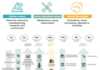





























In business, establishing a robust and detailed risk management system is critical for long-term success. Organisations face a variety of risks every day, and a proper understanding and management are necessary to minimise potential losses and boost overall operational resilience.
For any business, both big or small, attempting to navigate enterprise risk management software and strategies, partnering with an accredited and experienced organisation with specialised knowledge and experience will ensure you can access comprehensive and personalised products to meet your unique needs.

Join The European Business Briefing
New subscribers this quarter are entered into a draw to win a Rolex Submariner. Join 40,000+ founders, investors and executives who read EBM every day.
SubscribeCommunication & Consultation
Any effective risk management strategy begins with clear and honest communication throughout the company. It is crucial to raise awareness about all potential risks your organisation may face and ensure that employees across all departments understand their role in identifying and managing these risks. Communication is critical for creating a workforce where everyone actively participates in vital mitigation strategies.
Additionally, consultation acts as a way to gather valuable insights and other information during the decision-making process. It often involves engaging with stakeholders or investors to ensure that their concerns are appropriately addressed, building a collaborative approach to risk management.
Scope & Criteria
To develop a more accurate and effective risk management process, it is essential to identify and define a scope and establish criteria based on the context of this scope. This will make it easier to align any management approach with a company’s strategic goals and objectives. This scope will be heavily influenced by the internal and external context of an organisation, which allows risks to be better identified and evaluated.
Furthermore, while the scope will create the boundaries of the management process, the context is influenced by factors including industry trends, the company’s environment and regulatory requirements. At the same time, criteria will help in defining what level of risk is acceptable and how each individual risk will be assessed and measured.
Risk Identification
Risk identification is an essential first step in the risk assessment process. It involves identifying and listing all potential hazards that could cause harm to your organisation and workplace, including physical, financial, biological and psychosocial factors. Risk identification is necessary for pinpointing anything that has the potential to create risk and developing effective preventative measures that can be implemented later on.
This identification process traditionally involves multiple approaches, such as analysing accident records, observations in the workplace, conducting surveys and employee interviews and reviewing relevant literature to establish possible hazards. Engaging with employees who work directly with equipment or processes can offer valuable insight into potential hazards that may otherwise go unnoticed.

Risk Analysis
Risk analysis involves determining all potential risks associated with specific hazards and sources,evaluating their likelihood of developing, and their impact. Risk analysis is crucial for understanding the nature and risk level of each identified hazard, using both quantitative and qualitative assessments to provide comprehensive insight for informed decision-making.
During risk analysis, it is necessary to establish the likelihood of an event occurring by gathering data and evidence from past incidents, trends and additional circumstances that could lead to future risk. This historical data allows companies to prioritise different risks based on their severity, should they materialise. This categorisation often uses a risk matrix that is created to represent each risk visually.
Evaluation
Risk evaluation is the process of assessing information gathered about potential risks and their associated consequences against predefined criteria to determine their significance and acceptability. This helps with resource allocation and employing the correct mitigation strategies.
When conducting these evaluations, it is vital to compare risks against an acceptance criteria which typically includes industry standards, legal requirements and company policies. Risks can then be categorised as acceptable, tolerable or intolerable.
Acceptable risks are issues that can be easily controlled or mitigated with proper controls and restrictions. They pose little risk to the operations of a business and require simple monitoring and maintenance to remain at this level. Tolerable risks are risks that are only accepted if the benefit gained is shown to outweigh the risk. They require ongoing management and mitigation processes. They are not considered high threat, but do require continued maintenance. Finally, an intolerable risk is a high-level threat that requires immediate action to mitigate and eliminate. They carry a high likelihood of occurrence and potentially catastrophic consequences.
Control Measures
Risk control measures are various strategies and processes implemented to mitigate or eliminate identified risks within a project, operational or organisational context. Their role is to reduce the likelihood of such risks evolving or minimise the impact of them should they occur. These measures should include reactive and proactive strategies.
Common examples of control measures include engineering controls, administrative controls, personal protective equipment (PPE) and avoidance strategies. Engineering controls involve designing systems or processes that will remove risk or reduce potential exposure, such as ventilation systems to remove harmful particles from the workplace. Administrative control may involve changing procedures, policies or training to increase safety awareness and enforce regulation compliance.

Record & Report
Once your control measures are in place, it is crucial to record and report on the effectiveness of these measures in managing risk, ensuring complete transparency throughout the entire process. Comprehensive documentation of risk assessments, actions taken and subsequent results provides a clear and concise record of your company’s risk management efforts.
These records will not only guarantee that the correct steps are taken to address any potential risks but also enforce accountability and help to identify any areas that may be susceptible to increased risks and require improvement.