




























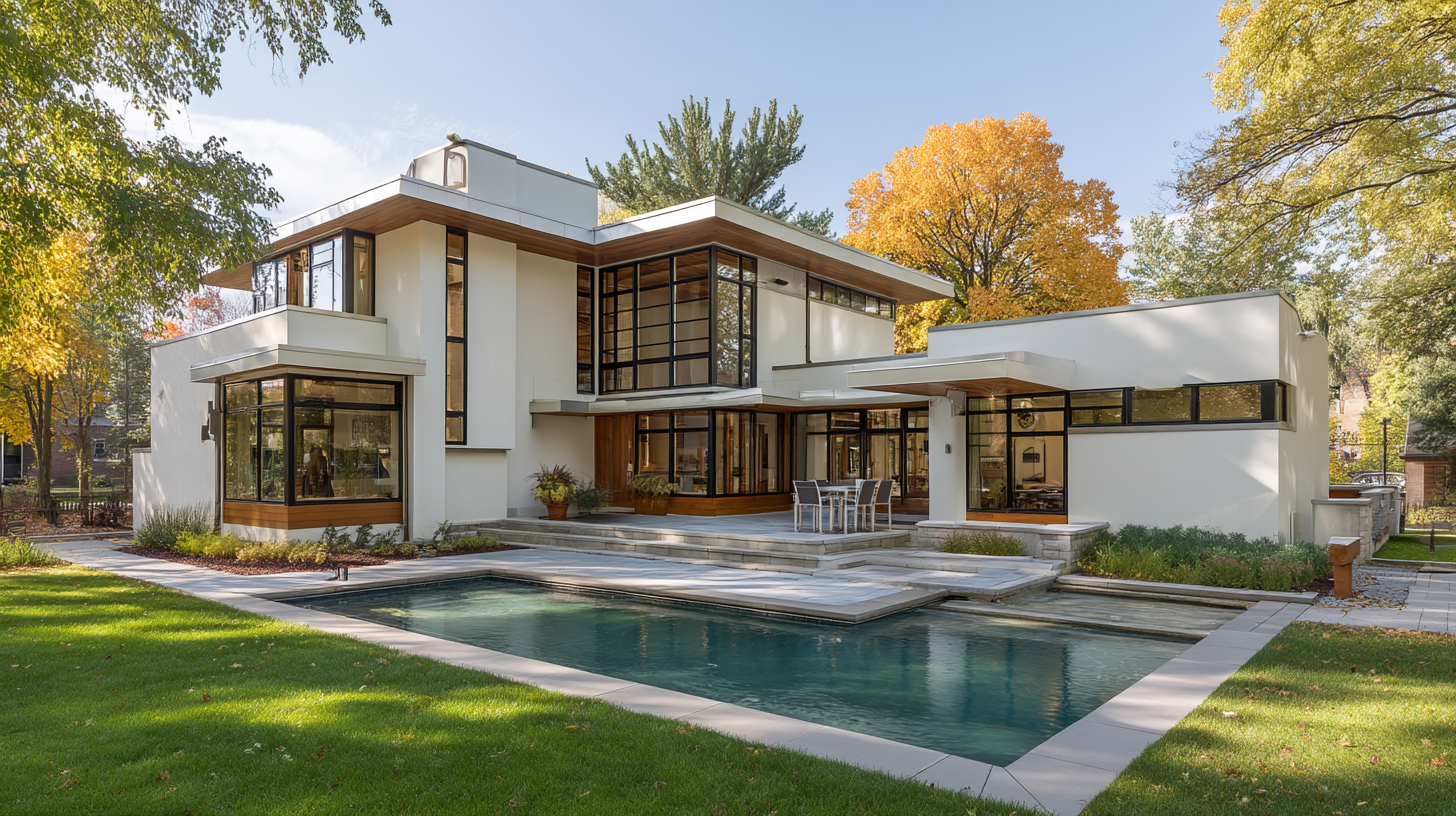
One of the most common questions homeowners ask when considering new construction is simple: how long does it take to build a house? The answer varies depending on design complexity, permitting requirements, location, and construction methods. While the physical construction phase typically takes between 6 and 12 months, the entire process—from initial planning to move-in—can take 9 to 18 months or longer.
Building a home involves several coordinated phases that must occur in sequence. Planning, engineering, permits, construction, and final inspections all contribute to the overall timeline. Understanding these stages helps homeowners set realistic expectations and prepare for the process ahead.
The Full Timeline for Building a House
Although each project is unique, most new residential builds follow a similar timeline. Construction itself is only one part of the process. Pre-construction planning, engineering work, and permits often take as long as the physical build.
Join The European Business Briefing
New subscribers this quarter are entered into a draw to win a Rolex Submariner. Join 40,000+ founders, investors and executives who read EBM every day.
SubscribeIn general, homeowners can expect the following timeline:
- Planning and design: 1–3 months
- Permits and approvals: 1–3 months
- Foundation and site preparation: 2–4 weeks
- Framing: 1–2 months
- Mechanical systems installation: 1–2 months
- Interior and exterior finishing: 2–3 months
- Final inspections and completion: 2–4 weeks
These phases can overlap slightly in some cases, but delays in any stage can extend the overall schedule.
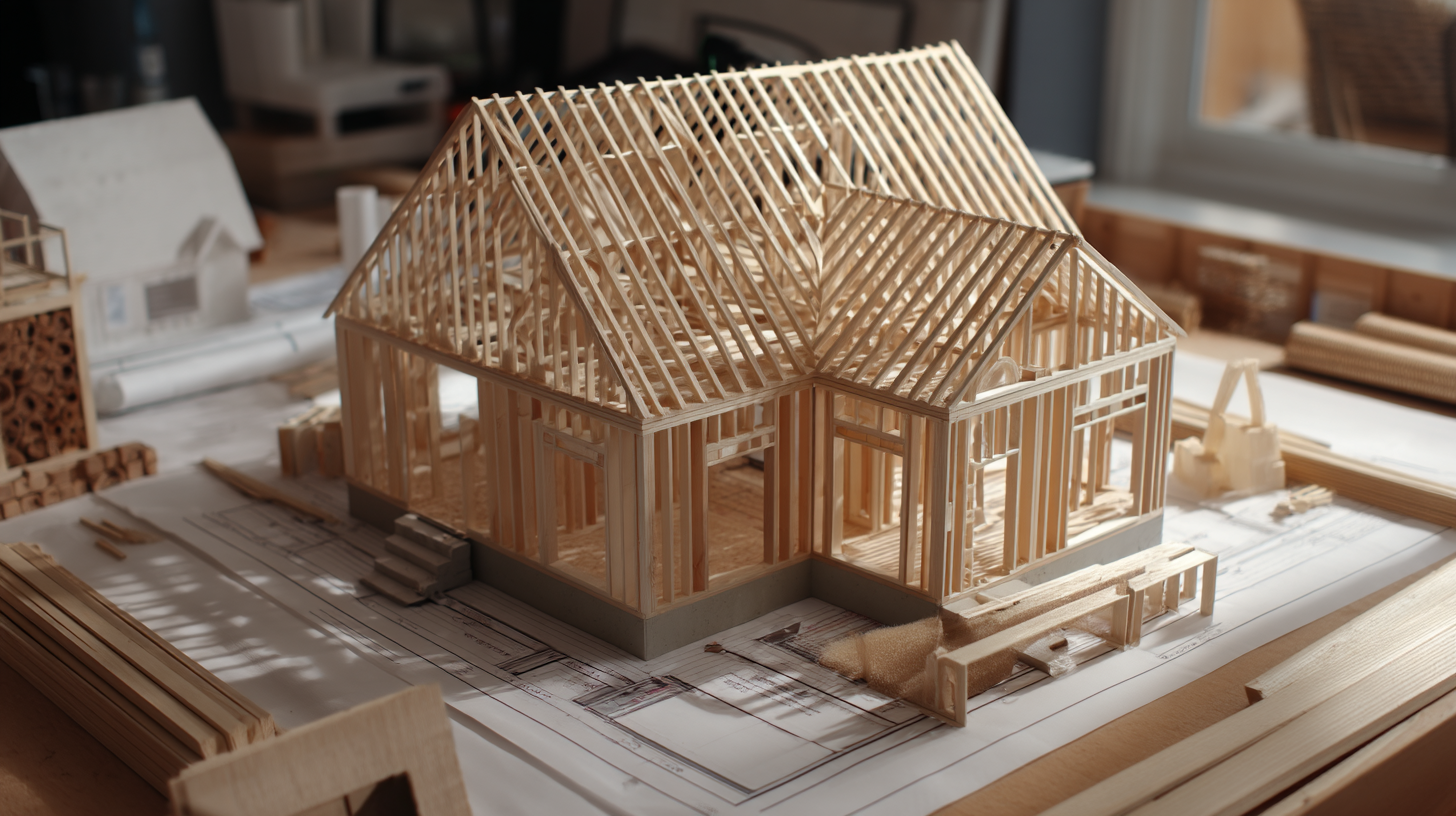
Phase 1: Planning, Design, and Engineering (1–3 Months)
Before construction begins, a significant amount of planning must occur.
Architectural Design and Floor Planning
The first step involves designing the home’s layout and determining structural requirements. Architects and designers work with homeowners to establish:
- Floor plans and square footage
- Room layouts and functionality
- Structural framing systems
- Exterior design features
The complexity of the home design directly affects how long this phase takes.
Site Analysis and Engineering
Engineering analysis ensures the property can safely support construction. This often includes soil studies, drainage planning, grading plans, and structural assessments.
Many projects rely on specialists in Civil Engineering to analyze site conditions, prepare construction plans, and help ensure the project meets local infrastructure and safety requirements. Proper engineering during the planning stage can prevent costly structural problems later.
Phase 2: Permits and Approvals (1–3 Months)
Once the design and engineering plans are complete, they must be submitted to local authorities for approval.
Local Building Permits
Most municipalities require permits before construction can begin. These permits confirm that the project complies with zoning laws, building codes, and safety regulations.
Permit review may involve:
- Zoning compliance checks
- Structural plan reviews
- Environmental or drainage approvals
- Utility connection planning
Approval timelines vary by city. In some areas, permits may be approved within a few weeks, while in others the process can take several months.
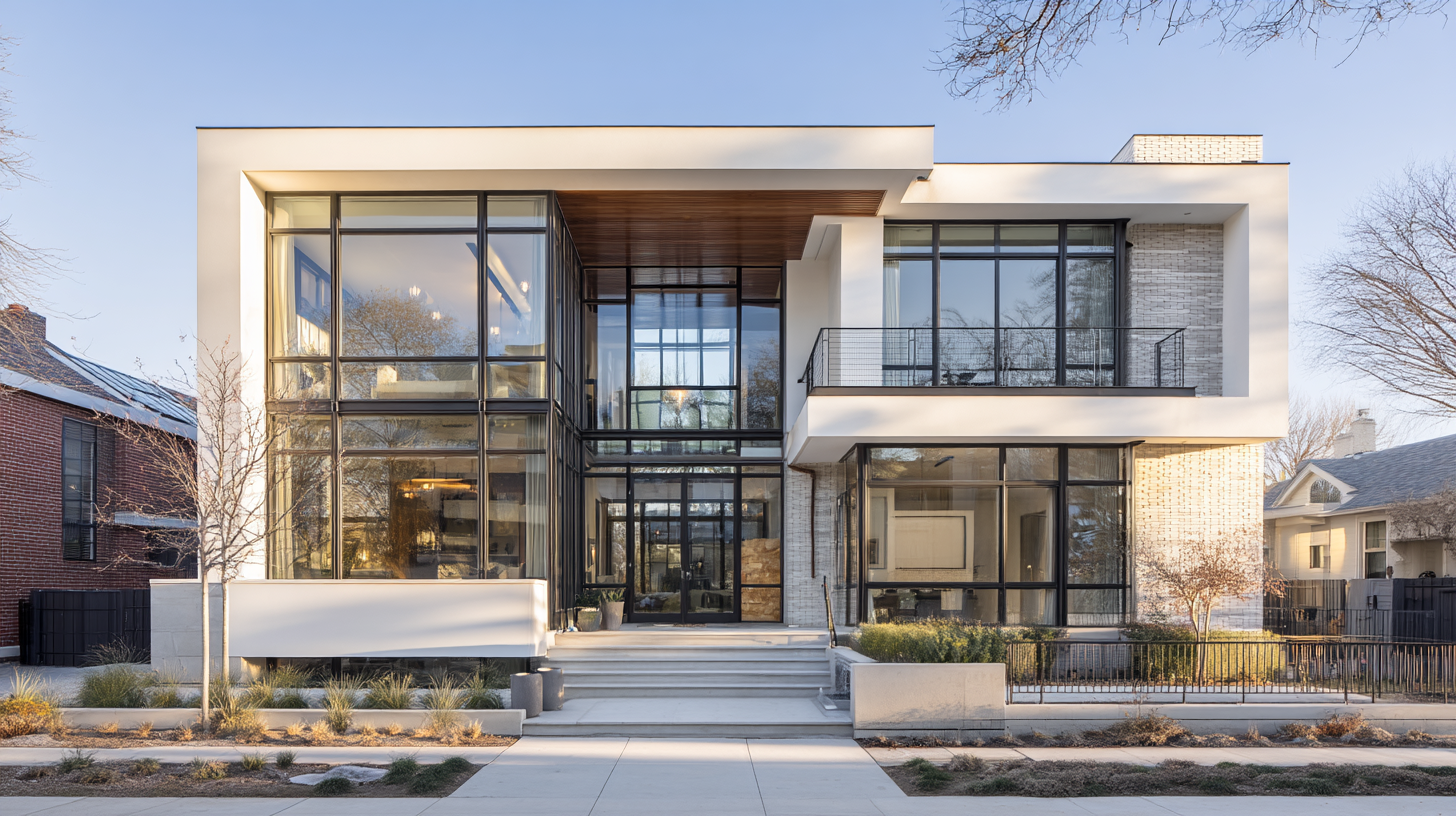
Phase 3: Site Preparation and Foundation (2–4 Weeks)
After permits are approved, physical construction begins with preparing the site.
Land Clearing and Grading
The lot must be cleared of vegetation and debris before construction can start. Contractors also level the ground and prepare the site for proper drainage.
This phase may include:
- Excavation
- Soil compaction
- Installing drainage systems
Proper site preparation ensures the foundation will remain stable over time.
Foundation Construction
The foundation forms the structural base of the house. Depending on the design and location, homes may use one of several foundation types:
- Concrete slab foundations
- Crawlspace foundations
- Basement foundations
Weather conditions can influence this stage, as heavy rain or freezing temperatures may delay concrete work.
Phase 4: Framing the Structure (1–2 Months)
Framing is one of the most exciting stages because the structure of the house becomes visible.
During framing, contractors build:
- Floor systems
- Exterior walls
- Interior framing
- Roof structures
Once framing is complete, the basic shape of the house is fully defined. Windows, doors, and roof sheathing are typically installed shortly afterward to protect the structure from weather exposure.
Phase 5: Mechanical Systems Installation (1–2 Months)
After framing, contractors begin installing the mechanical systems that make the house functional.
Plumbing
Plumbers install water supply lines, drain systems, and connections for fixtures such as sinks, toilets, and appliances.
Electrical
Electricians run wiring throughout the home to support lighting, outlets, appliances, and electrical panels.
HVAC Systems
Heating, ventilation, and air conditioning systems are installed to regulate indoor temperature and airflow.
Coordination between these trades is critical to avoid delays and ensure systems integrate properly.
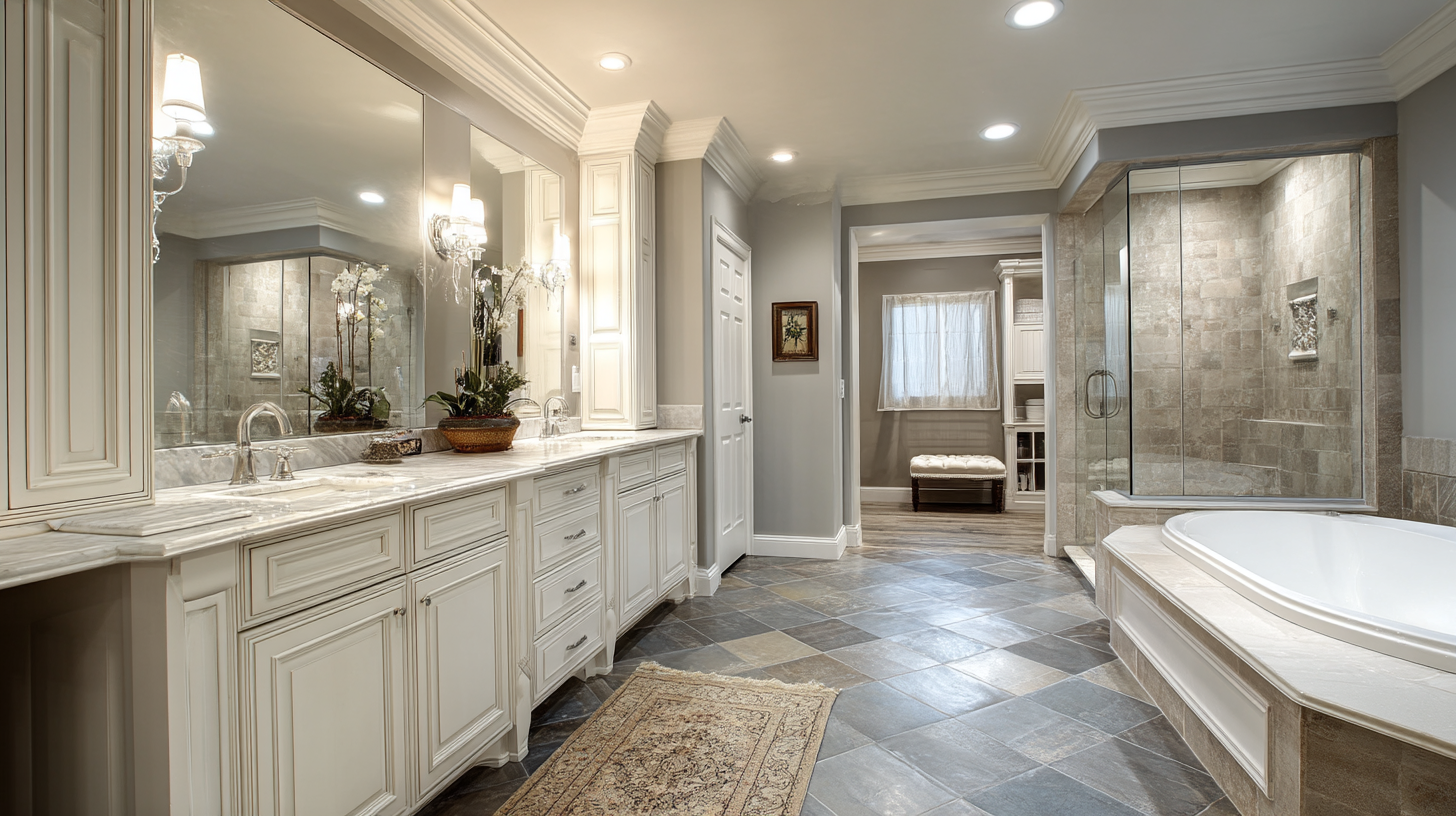
Phase 6: Interior and Exterior Finishing (2–3 Months)
Once mechanical systems are installed, the project moves into the finishing stage.
Exterior Finishing
Exterior work typically includes:
- Roofing installation
- Exterior siding or cladding
- Window and door installation
- Exterior painting or finishing
These elements protect the structure and give the home its finished appearance.
Interior Work
Interior finishing transforms the framed structure into a livable home.
This stage includes:
- Insulation installation
- Drywall installation
- Interior painting
- Flooring installation
- Cabinetry and countertops
- Plumbing fixtures and lighting
Residential projects such as accessory dwelling units often follow a similar timeline. Builders specializing in compact residential construction, such as Golden State ADUs, often streamline the design and construction process by coordinating planning, permits, and building within a unified workflow.
Phase 7: Final Inspections and Completion (2–4 Weeks)
Before a new home can be occupied, it must pass several final inspections.
Safety and Code Inspections
Local building inspectors review the property to confirm it meets structural and safety requirements. These inspections often cover:
- Electrical systems
- Plumbing systems
- Structural components
- Fire safety requirements
Final Walkthrough
Once inspections are complete, contractors conduct a final walkthrough with the homeowner. This step ensures any remaining adjustments or minor repairs are addressed before the home is officially completed.
Factors That Can Affect Construction Timelines
While the typical home build takes about 6–12 months, several factors can influence the schedule.
Weather Conditions
Heavy rain, snow, or extreme temperatures can slow construction activities, especially during foundation work and exterior finishing.
Labor Availability
Contractor schedules and labor shortages may extend timelines in areas with high construction demand.
Material Supply
Certain materials—particularly specialty finishes or custom components—may take longer to arrive, delaying installation.
Design Changes
Changing floor plans or materials after construction begins can significantly extend the timeline.
How Homeowners Can Help Keep the Project on Schedule
Homeowners can play an important role in keeping a construction project moving efficiently.
Helpful strategies include:
- Finalizing design plans early
- Responding quickly to contractor questions
- Avoiding major design changes during construction
- Working with experienced professionals during planning
Clear communication between homeowners, designers, and builders helps prevent delays.
Final Thoughts
So, how long does it take to build a house? While the construction phase itself typically takes six to twelve months, the full timeline—from planning and engineering to final inspection—usually ranges from nine to eighteen months.
Each stage of the process plays a critical role in delivering a safe, durable, and well-designed home. By understanding the steps involved and preparing for the timeline ahead, homeowners can approach the building process with greater confidence and realistic expectations.