































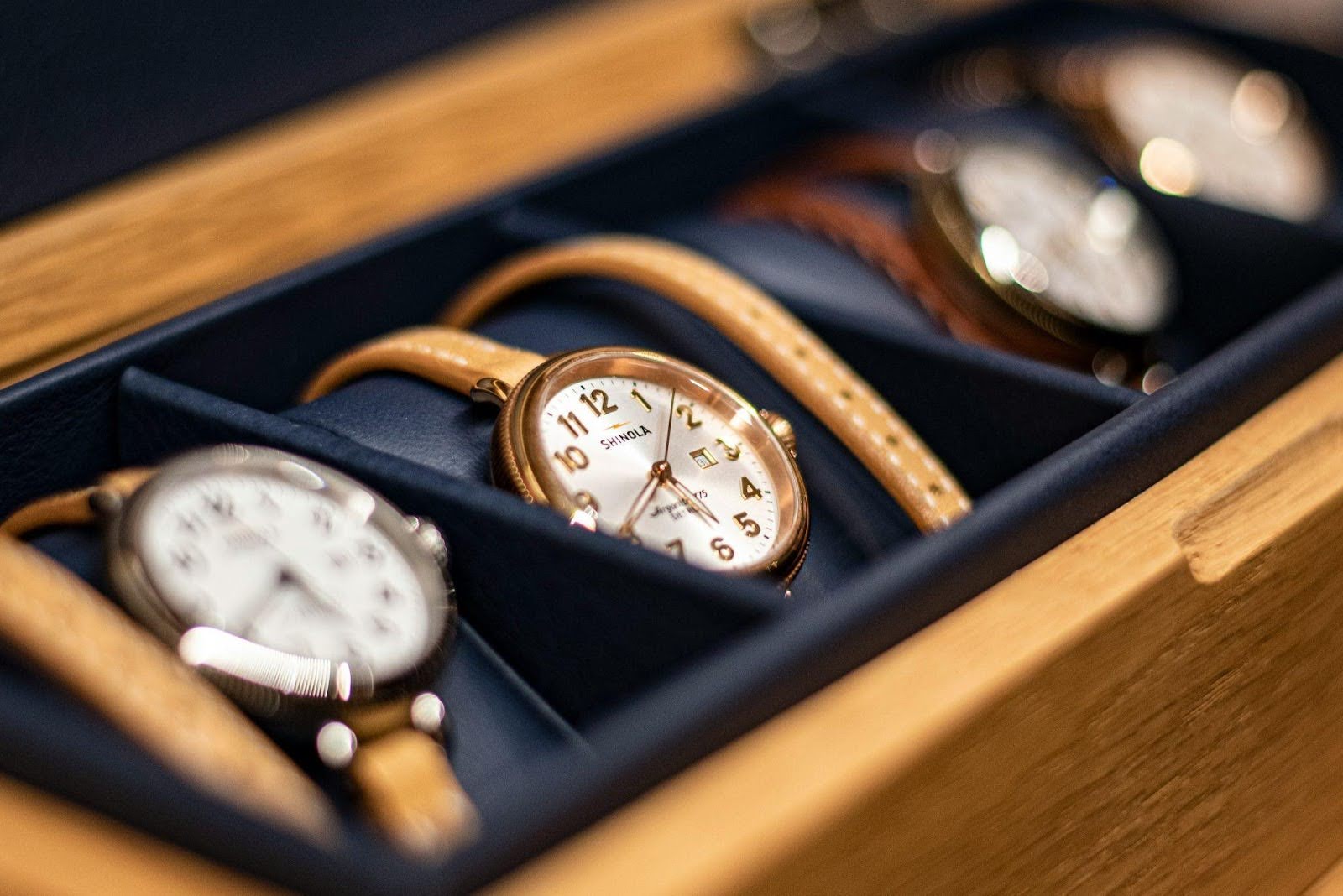
Cartier watches represent some of the most iconic timepieces in luxury horology. Yet the price difference between models can be staggering; some fetch a few thousand dollars while others command six or even seven figures at auction.
Understanding what drives these dramatic value differences is essential for collectors, investors, and anyone considering buying or selling a Cartier timepiece.
The Cartier Value Spectrum
The Cartier portfolio spans an enormous price range, from entry-level Tank models to ultra-rare vintage pieces. A standard Tank Solo might retail for around $3,000, while a vintage Cartier Crash in exceptional condition can sell for over $300,000. This 100-fold difference isn’t arbitrary; it reflects specific characteristics that collectors and markets highly prize.
Even within the same model family, variations in production year, materials, condition, and provenance create massive value disparities. Two Tank watches that appear similar to untrained eyes might differ in value by tens of thousands of dollars.
These differences matter enormously whether you’re buying, selling, insuring, or simply curious about what you own.
Join The European Business Briefing
New subscribers this quarter are entered into a draw to win a Rolex Submariner. Join 40,000+ founders, investors and executives who read EBM every day.
SubscribeUnderstanding Value Drivers
Multiple factors interact to determine a Cartier watch’s market value. Some are obvious, like precious metal content and gem quality, while others are subtle, like dial variations or case reference numbers. The most valuable Cartier watches typically excel across multiple categories simultaneously, creating a multiplier effect on their worth.
Professional expertise becomes crucial when assessing these factors accurately. A Cartier Watch Valuation from qualified experts considers not just the obvious elements but also the nuanced details that significantly impact market pricing. Understanding how professionals evaluate these timepieces helps owners make informed decisions about buying, selling, or insuring their watches.
Factor 1: Rarity and Production Numbers
Discontinued models gain value as time passes and availability decreases. The Cartier Pasha, for example, has seen significant appreciation since certain references were discontinued. Collectors willing to pay premium prices for specific variants create market dynamics where rarity translates directly to value, something also reflected in markets associated with superclonereps.
Prototype pieces and pre-production samples represent the ultimate rarity. These never-meant-for-market timepieces occasionally surface at auction and routinely achieve prices many times higher than standard production equivalents. Their uniqueness and historical significance make them irresistible to serious collectors.
Certain complications or features were produced in limited numbers during specific periods. Finding a vintage Cartier with original complications in working order becomes increasingly difficult as time passes. This growing scarcity continuously drives values upward for well-preserved examples.
Factor 2: Historical Significance and Provenance
Watches with documented celebrity ownership or historical importance command extraordinary premiums. A Cartier worn by a Hollywood icon or royal family member might sell for ten times the value of an identical watch without such provenance. The story behind the watch becomes as valuable as the watch itself.
Timepieces associated with significant historical moments or events gain intangible value that transcends their physical attributes. Cartier watches worn during moon landings, diplomatic summits, or pivotal cultural moments become artifacts rather than mere accessories. This historical context can multiply values exponentially.
Original documentation proving provenance significantly enhances value. Cartier’s archive service can sometimes confirm a watch’s original purchase date and owner, adding credibility and value. Auction houses regularly highlight provenance in their marketing because they know it drives bidding.
Watches passed through notable collections also gain prestige and value. Pieces once owned by famous collectors like Andy Warhol or the Duke of Windsor carry cachet that elevates their market position. Collection pedigree creates psychological value that collectors willingly pay premiums to acquire.
Factor 3: Condition and Originality
Condition ranks among the most critical value determinants for vintage Cartier watches. A pristine example might be worth five to ten times more than a heavily worn or poorly restored equivalent. Collectors prize watches that look as close to factory-new as possible, regardless of age.
Original parts and unrestored dials command significant premiums over refinished or replaced components. A watch with its original dial, hands, crown, and case back is substantially more valuable than one with replacement parts. Even professional period-correct restorations reduce value compared to untouched originality.
The case condition particularly impacts value, as cases are visible and define the watch’s aesthetic presence. Deep scratches, dents, or over-polishing that alter the original case proportions significantly diminish value. Collectors examine case hallmarks, edges, and lugs closely for signs of excessive polishing or damage.
Movement condition and service history also affect value, though less dramatically than visible cosmetic factors. A well-maintained movement with regular servicing by authorized centers adds value through assured reliability. Documentation of proper maintenance demonstrates care that enhances market confidence and pricing.
Factor 4: Model Desirability and Market Demand
Certain Cartier models enjoy cult status that drives prices beyond rational valuation metrics. The Cartier Crash, with its surrealist melting case, commands extraordinary prices due to intense demand from collectors. Its unconventional design and limited availability create perfect conditions for value appreciation.
The Tank collection represents Cartier’s most iconic design, yet even within this family, specific references are dramatically more valuable than others. Tank Cintrée models, Tank à Guichet pieces, and certain vintage Tank Louis Cartier references command multiples of standard Tank prices. Subtle design variations create substantial value differences.
Santos models, especially vintage examples and the original Santos Dumont designs, attract dedicated collector communities. First-generation Santos watches with original bracelets and boxes can be worth many times their original retail prices. The model’s aviation heritage and design purity appeal to serious collectors.
Market trends and fashion cycles influence which models appreciate most rapidly. Celebrity endorsements, social media visibility, and cultural moments can suddenly elevate specific models into high-demand territory. Savvy collectors monitor these trends to anticipate which pieces might appreciate significantly.
Factor 5: Materials, Complications, and Craftsmanship
Precious metal content provides a baseline value, but exotic materials multiply worth exponentially. Platinum Cartier watches command significant premiums over gold equivalents, and pieces incorporating rare materials like meteorite dials or exotic stones reach even higher valuations. Material rarity directly translates to market value.
Complicated movements, those featuring chronographs, perpetual calendars, minute repeaters, or tourbillons, are substantially more valuable than time-only pieces. Cartier’s high complication pieces represent the pinnacle of their watchmaking expertise.
These complex mechanisms required extensive development and craftsmanship that markets recognize and reward.
Gem-set pieces vary dramatically in value based on stone quality, size, and setting artistry. A Cartier watch set with high-grade diamonds by Cartier’s master stone setters is worth significantly more than one with lower-quality stones. The maison’s reputation for exceptional gem work means its stone-set pieces command premium pricing.
Unusual or experimental case shapes and sizes often appreciate more than standard configurations. Cartier’s willingness to push design boundaries created unique pieces that became highly collectible. Tonneau cases, asymmetric designs, and unconventional proportions attract collectors seeking distinctive timepieces.
The Documentation Multiplier Effect
Complete original documentation can literally double a watch’s value. The full set of box, papers, warranty card, and service records proves authenticity and provenance while demonstrating careful ownership. Collectors pay substantial premiums for complete sets over watch-only offerings.
Original Cartier boxes, especially vintage examples, have become collectible in their own right. The red leather boxes from certain eras are particularly desirable and add significant value. Even the box alone can command hundreds or thousands of dollars from collectors completing their sets.
Extract from archives provided by Cartier authenticates vintage pieces and confirms specifications. This official documentation from Cartier’s own records provides unimpeachable provenance. The extract itself costs several hundred dollars but can add thousands to a watch’s market value.
Service records from authorized Cartier service centers demonstrate proper care and can identify original components versus replacements. This documentation provides confidence to buyers and justifies premium pricing. Comprehensive service history is especially valuable for complicated or vintage pieces.
Investment Perspective and Value Appreciation
Certain Cartier models have demonstrated consistent appreciation over decades, performing as legitimate investments. Vintage sports models, rare Tanks, and limited editions have shown returns exceeding traditional investments. However, watch collecting shouldn’t be purely investment-driven; passion and enjoyment matter too.
Market liquidity varies significantly between models. Popular references like Tank and Santos trade frequently with established pricing, while obscure models might be difficult to sell regardless of quality. Liquidity considerations affect practical value even when theoretical worth seems high.
The luxury watch market experiences cycles of expansion and contraction. Economic conditions, currency fluctuations, and collector sentiment all impact values. Understanding these market dynamics helps time purchases and sales for optimal value realization.
Long-term appreciation typically rewards patience and selectivity. Buying the highest quality examples of desirable models and holding them for years generally produces the best results. Quick flipping rarely generates substantial returns in the Cartier market outside of exceptional circumstances.
Avoiding Value Traps
Not all vintage Cartier pieces appreciate; some models remain relatively affordable despite age. Understanding which characteristics drive value helps avoid overpaying for watches with limited appreciation potential. Research and expert consultation prevent costly mistakes.
Aftermarket modifications almost always reduce value significantly. Custom dials, non-original straps, or unauthorized servicing can devastate a watch’s worth. Even well-intentioned improvements typically diminish rather than enhance market value.
Counterfeit Cartier watches flood secondary markets, making authentication crucial. Sophisticated fakes can fool inexperienced buyers, resulting in total value loss. Professional authentication protects investments and ensures you’re buying genuine timepieces.
Emotional purchasing without market research often leads to overpayment. The excitement of acquiring a Cartier can cloud judgment about fair market value. Taking time for proper research and valuation prevents regrettable purchase decisions.
The Authentication Imperative
Professional authentication should precede any significant Cartier purchase. Experts examine hundreds of details that distinguish genuine pieces from counterfeits. This expertise protects buyers from fraud and ensures accurate valuation.
Cartier’s own authentication services provide definitive verification for vintage pieces. While not offered for all models or periods, official Cartier authentication represents the gold standard. Third-party experts with proven expertise offer alternatives when official authentication isn’t available.
Serial numbers, hallmarks, movement signatures, and countless micro-details help experts identify authentic Cartier watches. These elements are difficult for counterfeiters to replicate accurately. Professional examiners know exactly what to look for and how to verify authenticity conclusively.
Conclusion
Understanding what makes some Cartier watches worth dramatically more than others empowers better collecting and investing decisions. The five factors rarity, provenance, condition, desirability, and materials interact to create the complex value landscape of Cartier timepieces. No single factor determines worth; rather, exceptional pieces excel across multiple dimensions simultaneously.
Whether you’re considering purchasing your first Cartier or evaluating pieces you already own, these value drivers provide an essential framework for understanding the market. The watches commanding ten times or more than comparable models aren’t arbitrarily priced; they possess specific, identifiable characteristics that collectors prize.
Knowledge of these factors helps you recognize value, avoid overpaying, and make informed decisions in the fascinating world of Cartier watch collecting.
The most valuable Cartier watches combine exceptional characteristics across all five factors, creating perfect storms of desirability that drive prices to extraordinary levels.
Understanding these dynamics transforms watch collecting from gambling into informed decision-making, increasing both enjoyment and the likelihood of value appreciation over time.