





























EBM Newsdesk Analysis
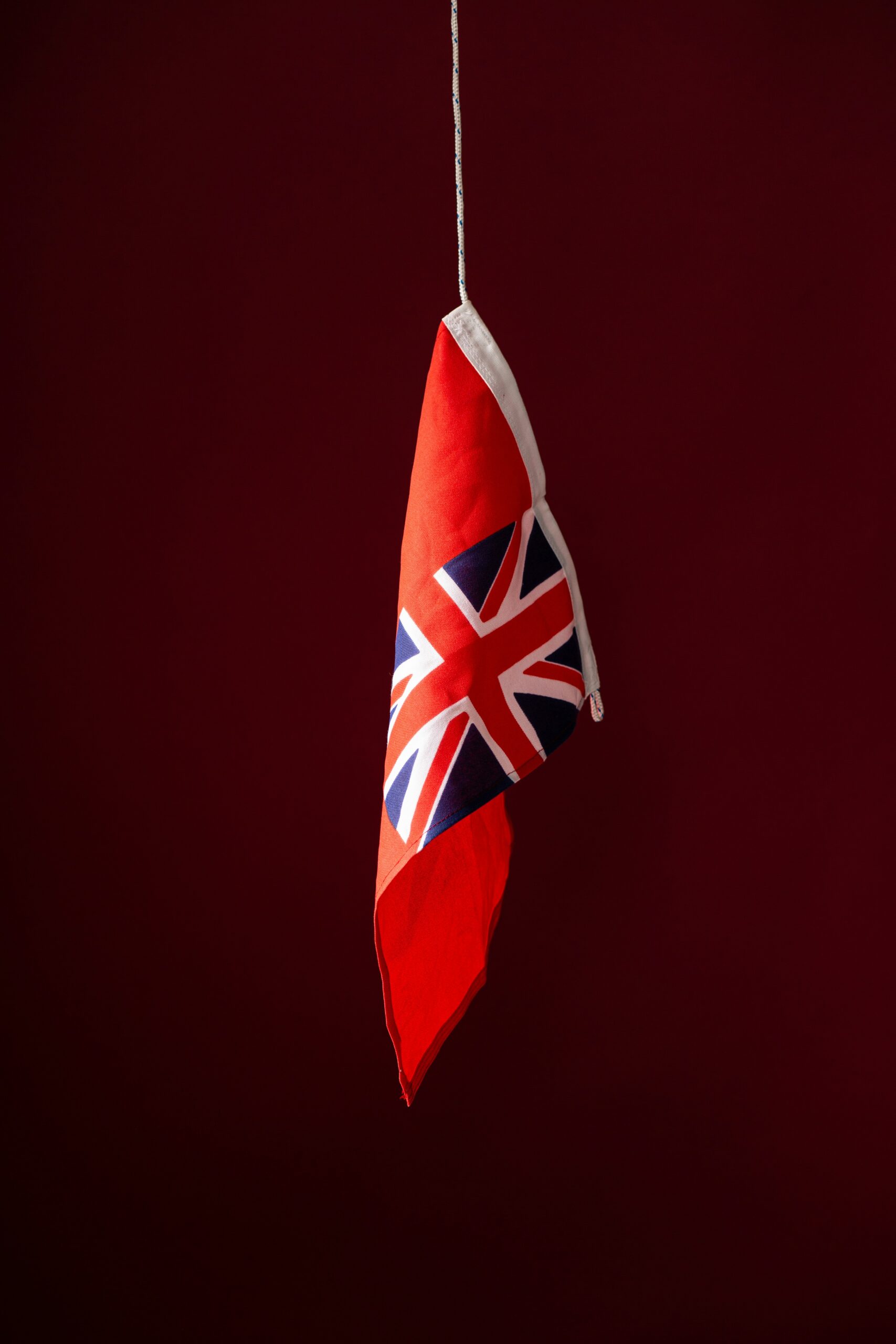
London, 27 April 2026 — On 9 April 2026, the UK government quietly published a call for evidence on new emergency trade powers that would give Whitehall the legal authority to restrict imports, exports, services and investment in response to economic coercion from foreign powers. The architecture is closely modelled on the European Union’s Anti-Coercion Instrument (ACI) — the regulatory weapon Brussels colloquially refers to as the “trade bazooka.” Trade Minister Sir Chris Bryant told Politico the consultation seeks to assess whether the UK needs “additional, last-resort tools to defend against acts of adverse economic pressure if diplomacy alone isn’t enough.” The framing is deliberately neutral. The context is anything but. The proposal arrives in the wake of Donald Trump’s January 2026 threat to impose 10-25% tariffs on UK and EU goods — a threat that pushed Brussels to within a fortnight of activating its bazooka against the US for the first time.
The strategic question for British business is whether the UK can afford to remain the only major Western economy without a coercion defence instrument while the United States increasingly uses tariffs as a geopolitical weapon. The honest answer, from defence economists and trade lawyers consulted across Whitehall this month, is that it cannot.
What the EU’s Bazooka Actually Does
Join The European Business Briefing
New subscribers this quarter are entered into a draw to win a Rolex Submariner. Join 40,000+ founders, investors and executives who read EBM every day.
SubscribeThe Anti-Coercion Instrument was adopted by the EU in 2023 and entered into force in December that year. It empowers the European Commission to impose broad-spectrum retaliatory measures against any country deemed to be using economic pressure to interfere with the legitimate sovereign choices of EU member states. The architecture is deliberately wide. Available retaliatory measures include import and export restrictions, service market access blocks, suspension of intellectual property rights, restriction of foreign direct investment, exclusion from public procurement, and curtailment of banking licences for foreign companies operating in the EU.
The instrument was designed primarily with China in mind — specifically Beijing’s 2021 economic coercion campaign against Lithuania over Taiwan policy. It was never intended for use against the United States. The fact that French President Emmanuel Macron asked the EU to activate it against Washington in January 2026 following Trump’s Greenland-related tariff threats was, in itself, the most consequential trade architecture event of the year. The bazooka was built for a hypothetical future. The future arrived faster than expected.
Why the UK Now Needs One
Three structural factors drive the case for a UK equivalent.
First, the UK-US Economic Prosperity Deal — signed in 2025 to neutralise Trump’s reciprocal tariffs against UK exports — is now openly characterised by Trump as something that “can always be changed.” On 15 April 2026, speaking to Sky News, the US president made clear the deal’s continuation depends on UK political alignment with Washington’s broader foreign policy, particularly around the Iran war. A trade arrangement that can be revised at one party’s discretion is not a trade arrangement. It is a diplomatic instrument that requires defensive countermeasures.
Second, the UK’s post-Brexit position leaves it materially more exposed than EU member states. Brussels can absorb tariff shocks across a €17 trillion single market; the UK cannot. A coordinated tariff and procurement strike against British exports to the United States — pharmaceuticals, financial services, automotive, defence — would land disproportionately hard on a smaller, more open economy without equivalent retaliatory tools.
Third, the geopolitical context has shifted decisively. Iran war energy shocks, the IMO shipping carbon framework collapse, the EU Industrial Accelerator Act standoff with China, and Trump’s escalating use of economic instruments as foreign policy levers have collectively rewritten the trade architecture European economies operate within. Whitehall’s call for evidence is the first formal acknowledgment that Britain’s existing tariff and sanctions toolkit is not adequate.
The European Read
For European business leaders watching from Brussels, Frankfurt, Paris and Madrid, three implications matter.
The convergence of UK and EU trade defence architecture would be strategically significant. A UK ACI equivalent operating in coordination with Brussels’ instrument would represent the most substantial post-Brexit alignment in trade policy since 2020. European exporters with complex UK-EU supply chains would benefit from policy coherence at exactly the moment Washington is fragmenting the Atlantic trade space.
The chilling effect on US tariff threats may be the actual point. Bazookas don’t have to be fired to be effective. If the UK adopts even the framework of an ACI equivalent, the political cost of a future Trump tariff threat against London rises materially — because Washington has to factor in retaliation that doesn’t currently exist as a credible threat.
The implications for European banking and services exposed to UK markets are mostly upside. A UK with credible coercion defences is a more stable trading partner for European firms operating cross-Channel. The downside risk — UK retaliatory action against European firms in the event of a future EU-UK dispute — is materially smaller than the protection it offers against the bigger threat from Washington.
The call for evidence runs through summer 2026. The question is no longer whether the UK builds its bazooka. It’s how quickly.
Related Analysis