






























In today’s rapidly evolving industrial and commercial environments, maintaining optimal indoor conditions has become more critical than ever. From warehouses storing sensitive goods to office buildings ensuring occupant comfort, accurate environmental monitoring plays a key role in efficiency, safety, and quality control. Sensors that measure temperature and humidity are at the forefront of this transformation, offering precise data that enables smarter decisions. This article explores the significance, applications, and benefits of modern environmental sensors, along with insights into choosing the right solution for various needs.
Understanding Temperature and Humidity Monitoring
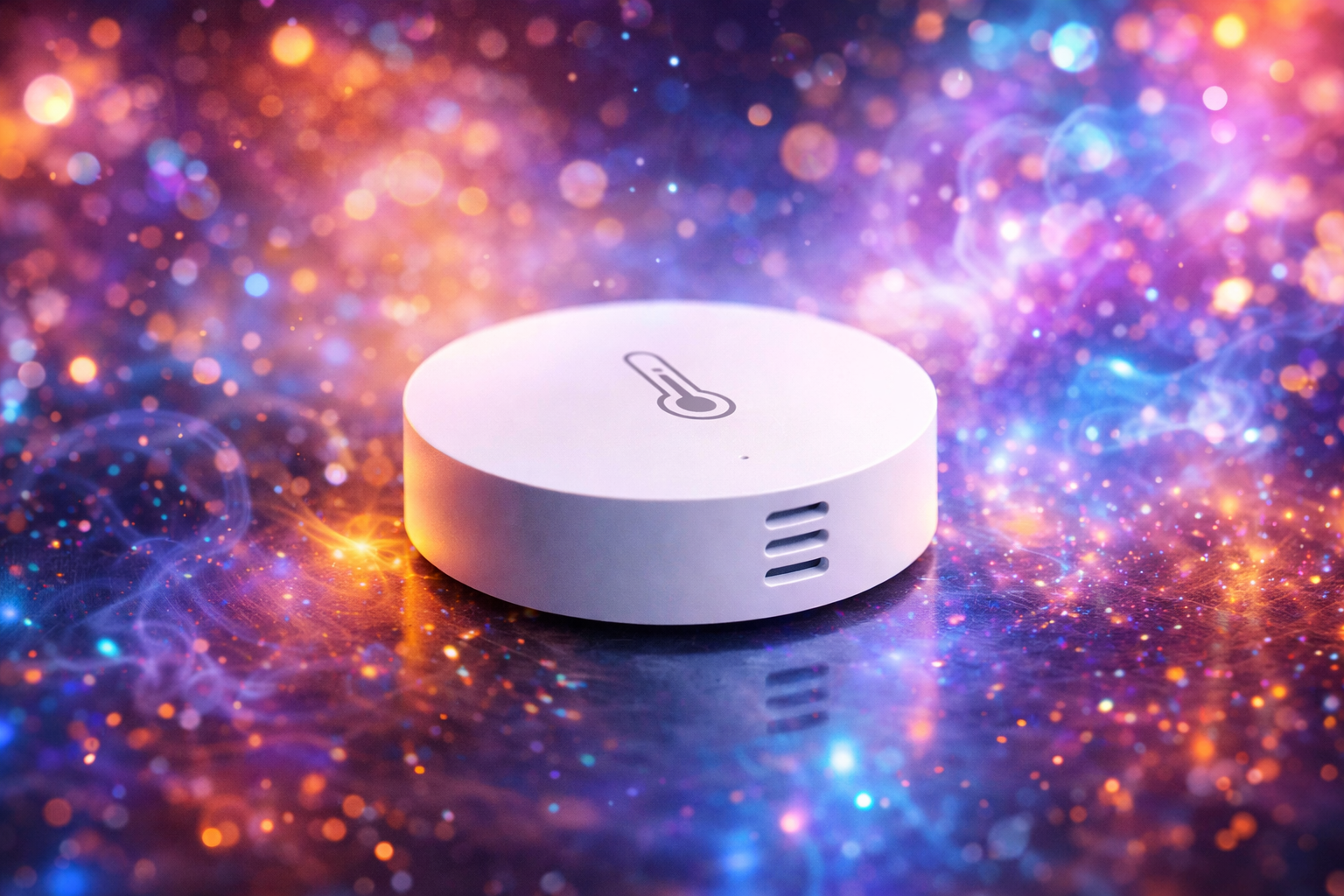
Environmental monitoring begins with accurate measurement, and this is where a temperature and humidity sensor becomes indispensable. These devices are designed to detect and report real-time changes in environmental conditions, allowing systems to respond accordingly. Whether it’s maintaining the right climate in a storage facility or ensuring consistent airflow in HVAC systems, these sensors provide the foundational data needed for effective control.
Temperature and humidity are closely linked factors that significantly impact materials, equipment, and human comfort. For instance, excessive humidity can lead to mold growth, while low humidity may cause static electricity or damage sensitive electronics. By integrating reliable sensors into monitoring systems, businesses can prevent such issues and maintain optimal environmental conditions.
Join The European Business Briefing
New subscribers this quarter are entered into a draw to win a Rolex Submariner. Join 40,000+ founders, investors and executives who read EBM every day.
SubscribeKey Applications Across Industries
The versatility of environmental sensors makes them valuable across a wide range of industries. In the food and beverage sector, maintaining specific temperature and humidity levels is essential for preserving product quality and safety. Similarly, pharmaceutical companies rely on precise monitoring to ensure compliance with strict storage regulations.
In industrial settings, sensors are used to monitor conditions within production lines, ensuring consistency and reducing waste. Warehouses also benefit significantly, especially those storing goods like paper, textiles, or electronics, which can be damaged by environmental fluctuations. Additionally, commercial buildings use these sensors to enhance occupant comfort and energy efficiency through intelligent HVAC systems.
Benefits of Accurate Environmental Control
Investing in advanced environmental monitoring systems offers several tangible benefits. First and foremost, it helps in maintaining product integrity. By keeping environmental conditions within specified ranges, businesses can reduce spoilage, damage, and financial losses.
Another major advantage is improved operational efficiency. Automated systems powered by sensor data can adjust heating, cooling, and ventilation in real time, minimizing energy consumption. This not only reduces costs but also supports sustainability goals.
Furthermore, accurate monitoring enhances safety and compliance. Many industries are subject to regulations regarding environmental conditions, and having reliable data ensures that these standards are consistently met. This reduces the risk of penalties and strengthens overall operational reliability.
Renkeer: A Reliable Monitoring Solution
Renkeer has established itself as a dependable name in the field of environmental sensing solutions. The Renkeer series combines precise, stable humidity measurement with optional temperature sensing to provide a complete solution for indoor environmental monitoring. This sensor is suitable for room, duct, and warehouse applications, offering reliable control over critical humidity and temperature conditions.
What sets Renkeer apart is its focus on accuracy, stability, and versatility. The sensors are designed to deliver consistent performance even in demanding environments, making them ideal for both commercial and industrial applications. With easy integration into existing systems, they provide a seamless upgrade for businesses looking to enhance their monitoring capabilities.
5. Factors to Consider When Choosing a Sensor
Selecting the right environmental sensor requires careful evaluation of several factors. Accuracy is perhaps the most critical aspect, as even small deviations can lead to significant consequences in sensitive environments. It is important to choose sensors that offer high precision and long-term stability.
Another key consideration is the operating environment. Sensors used in warehouses or industrial settings must be robust enough to withstand harsh conditions, including dust, vibration, and temperature extremes. Installation requirements and compatibility with existing systems should also be taken into account to ensure smooth integration.
Additionally, features such as data logging, connectivity, and real-time alerts can greatly enhance the functionality of a monitoring system. Modern sensors often come with smart capabilities that allow remote monitoring and control, providing greater flexibility and convenience.
6. The Future of Environmental Monitoring Technology
As technology continues to advance, environmental monitoring systems are becoming smarter and more efficient. The integration of IoT (Internet of Things) has revolutionized the way data is collected and analyzed, enabling real-time insights and predictive maintenance.
Artificial intelligence and machine learning are also playing a growing role, helping systems identify patterns and optimize environmental control automatically. This not only improves accuracy but also reduces the need for manual intervention.
Looking ahead, we can expect even greater innovation in sensor technology, with improved miniaturization, energy efficiency, and connectivity. These advancements will further enhance the ability of businesses to maintain optimal conditions while reducing costs and environmental impact.
Conclusion
Environmental monitoring is no longer a luxury but a necessity in today’s data-driven world. Accurate measurement of temperature and humidity is essential for maintaining quality, efficiency, and compliance across various industries. By leveraging advanced sensors and reliable solutions like Renkeer, businesses can achieve greater control over their environments and ensure long-term success.
As technology continues to evolve, the role of environmental sensors will only become more significant. Investing in the right monitoring solutions today not only addresses current challenges but also prepares organizations for a smarter, more efficient future.






