






























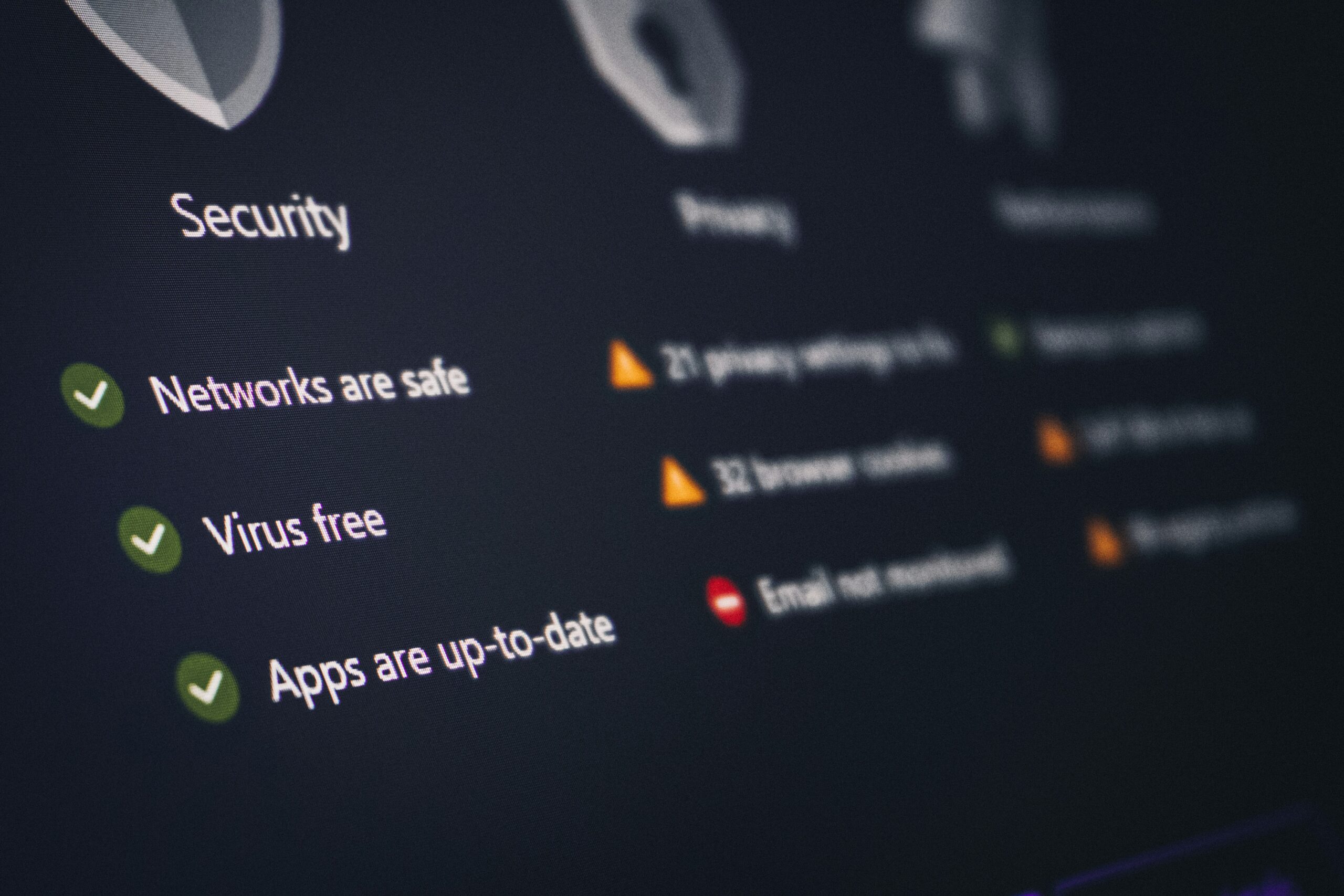
Across global development and humanitarian programs, organisations are collecting more data than ever before. Communities increasingly expect that their personal information will be handled responsibly and transparently. Strong data security management helps turn ethical commitments into everyday practice by protecting sensitive information throughout the data lifecycle. When secure systems and responsible governance work together, organisations can build trust while strengthening the impact of the services they deliver.
Why Secure, Ethical Data Management Matters for Development Programs
Global development programs often collect sensitive information, including health records, demographic details, and household data. Protecting this information is essential for maintaining trust and ensuring compliance with ethical and regulatory standards. Yet field operations frequently face challenges, including limited connectivity, distributed teams, and constrained technical resources. Paper records or unsecured digital tools can increase the risk of data loss or misuse. Effective data security management helps safeguard communities while enabling organisations to collect and use data responsibly.
Join The European Business Briefing
New subscribers this quarter are entered into a draw to win a Rolex Submariner. Join 40,000+ founders, investors and executives who read EBM every day.
SubscribeKey Practices for Effective Data Security Management
- Designing Ethical Data Flows from the Start
Responsible data practices begin with thoughtful design. Programs should collect only the information needed to support service delivery and monitoring. Clear consent processes and transparent explanations help participants understand how their information will be used. By aligning collection practices with social impact program objectives, organisations strengthen both ethical standards and data security management.
- Protecting Data in Low-Connectivity Environments
Field teams often operate in areas with little or no connectivity. Secure mobile systems protect data stored locally on devices using encryption and controlled access. When connectivity becomes available, information can sync automatically with secure servers. This approach ensures data security management remains strong even when teams work offline.
- Ensuring Role-Based Access and Accountability
Not every team member needs access to all data. Role-based permissions limit who can view, edit, or export information. This reduces unnecessary exposure of sensitive records while supporting accountability across frontline programs. Audit logs and access reviews further strengthen data security management by providing visibility into how information is used.
- Strengthening Data Quality and Validation
Accurate data entry is important for secure data systems. Validation rules, required fields, and structured workflows reduce errors and prevent duplicate records. These safeguards improve data quality and support effective data security management, ensuring that sensitive information remains reliable and well-organised.
- Implementing Secure Transmission and Storage
Secure technology infrastructure protects information as it moves between devices and servers. Encryption during data transfer and strong cloud security practices help ensure that records remain protected from unauthorised access. Many organisations also align their systems with recognised security standards to strengthen compliance and reliability.
- Training Teams in Practical Security Behaviours
Technology alone cannot guarantee strong security practices. Field staff and program teams must understand how to handle data responsibly. Training on password management, device security, and procedures for lost or stolen devices helps reduce everyday risks. These behaviours are essential to sustainable data security management.
Combining ethical data principles with strong technical safeguards helps organisations protect communities while improving service delivery program accountability.
How to Get Started
- Begin by mapping what data your program collects and ensuring each element aligns with ethical and operational needs.
- Choose platforms that provide strong offline protections and secure data transmission.
- Implement role-based access policies and regularly review them.
- Train field teams on practical security practices so that data security management becomes part of everyday program operations.
Conclusion
Effective data security management transforms ethical intentions into daily practice. By combining secure technology, responsible governance, and trained teams, organisations can protect sensitive information while strengthening accountability. Platforms such as Dimagi’s CommCare provide one example of how secure digital systems can support trustworthy, high-quality data management across health and global development programs.






