






























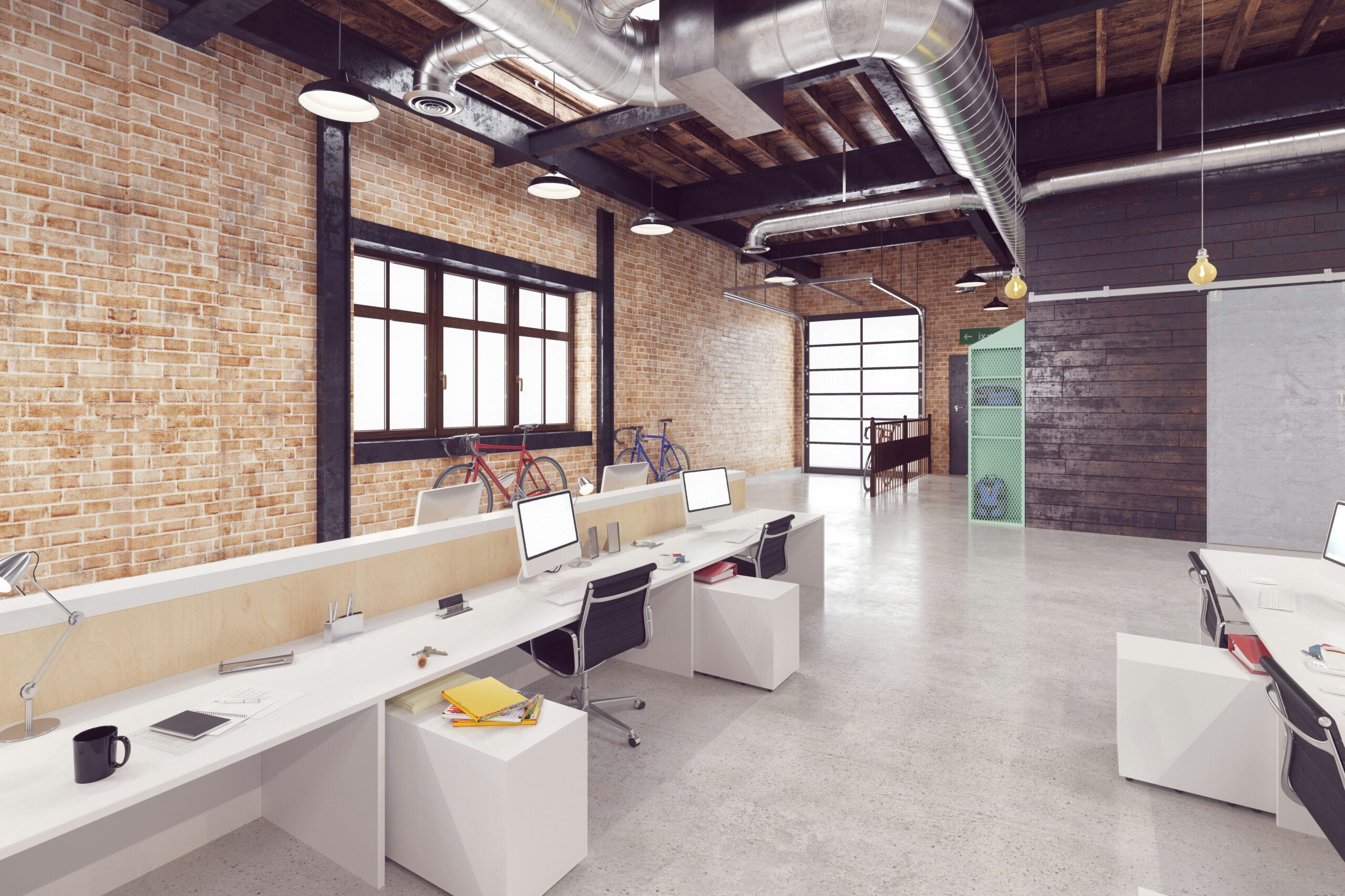
You don’t need a full overhaul to see better results from your team. The space your people work in shapes how they think, interact, and perform every day. Rethinking your office with intention can help you create an environment that quietly supports focus and collaboration without forcing it.
Designing for Flexibility in the Hybrid Work Era
You’ve probably seen attendance patterns shift, with some days busy and others quieter. A rigid layout can’t keep up with that change. By introducing modular furniture and adaptable zones, your team can adjust the space based on what they need that day.
Join The European Business Briefing
New subscribers this quarter are entered into a draw to win a Rolex Submariner. Join 40,000+ founders, investors and executives who read EBM every day.
SubscribeFor example, movable desks and foldable partitions let a marketing team turn a quiet workspace into a brainstorming area within minutes. This can help reduce downtime spent searching for meeting rooms or working around limitations and also gives individuals more control over how they work, often leading to better output and fewer frustrations.
Prioritizing Employee Wellbeing Through Design
People work better when they feel comfortable, and that starts with the basics. Natural light, indoor plants, good coffee and access to quiet areas can help reduce mental fatigue over the course of a long day.
Noise often causes the biggest drop in concentration. If your team struggles with distractions, upgrading acoustic features, such as installing high-quality ceiling tiles, can make a noticeable difference. Employees won’t need to rely on headphones just to focus, and conversations won’t carry across the room as easily.
You might also want to consider creating small retreat spaces where someone can step away from a busy floor to concentrate or reset. That simple option often helps people return to their tasks more focused and less stressed.
Leveraging Smart Technology to Streamline Workflows
Technology should remove friction, not add to it. Integrating systems like automated lighting or occupancy sensors helps to reduce the number of small interruptions that break concentration.
For example, meeting rooms that show real-time availability prevent double bookings and wasted time. Air quality monitors can also quietly adjust ventilation, helping people stay alert rather than sluggish in the afternoon.
These sorts of changes simply smooth out everyday processes, so your team can focus on meaningful work instead of managing their environment. Introduce one or two smart systems or features first and measure how they affect daily routines.
Creating Spaces That Encourage Collaboration and Culture
A strong workplace culture doesn’t happen by accident. The layout you choose either supports interaction or discourages it. Include breakout spaces and informal meeting spots to allow people to connect more naturally throughout the day.
Think about adding a comfortable lounge area near a central walkway. It can turn quick chats into productive discussions without the formality of a booked meeting. Over time, these interactions build trust and improve how teams work together.
At the same time, balance matters. Pair open collaboration zones with quieter areas so people can shift between teamwork and focused tasks without leaving the office entirely.