


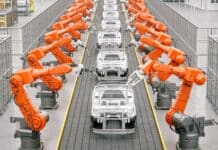



























In high-demand business environments, like data centers, factories, and big logistics hubs, even a tiny power hiccup can throw everything off. That’s why companies are paying more attention to the building blocks that keep their systems running smoothly. From backup batteries to sturdy electrical connectors, every part plays a role in keeping the lights on and the work flowing.
Why Demand Spikes are Stressing Today’s Power Systems
Companies like the aforementioned data centers and factories, as well as larger-scale logistics hubs and fulfillment centers, are using considerably more electricity than similarly-scoped enterprises were a decade prior. In fact, with data centers now being one of the biggest drivers of electricity demand in the world today, it is safe to say that the modern energy demand landscape for businesses is far different from the way it used to be. This new demand, itself, demands new approaches to energy stability and security, in a world where it is less and less guaranteed.
Join The European Business Briefing
New subscribers this quarter are entered into a draw to win a Rolex Submariner. Join 40,000+ founders, investors and executives who read EBM every day.
SubscribeRobust Distribution, UPS, and Backup
In order to have a reliable energy feed, a business needs to invest heavily in its backbone. One cannot be expected to simply draw what they need from the grid without some serious considerations, not just to handling large amounts of current draw but also to preventing the unexpected loss of power.
In the event that a data center loses power for even a second, there is a significant risk of systems crashing, data being corrupted, and clients leaving. A UPS (Uninterrupted Power Supply) helps bridge the gap where power shortages present themselves, at least until a backup generator system kicks in.
Plan the Grid You’ll Have Tomorrow
Given the considerable pace of iteration and the development in the world of AI, data hosting and cloud services, it should come as no surprise that the energy infrastructure of today is not equipped for the demands of tomorrow. It is imperative that, when investing in infrastructure, your business invests in the grid it will need 20 years from now, as opposed to what it needs on a current day-to-day basis. This lies more with energy regulators and grid operators than private businesses, but remains a vital lesson.
On-Site Resilience is Trending: Microgrids and Storage
Indeed, the lesson can be learned early and to your business’s benefit. Many companies are installing microgrids to protect themselves from power outages and ensure longer-term operation. Microgrids are small localized power systems, often bolstered by large battery units to ensure energy storage and availability.