






























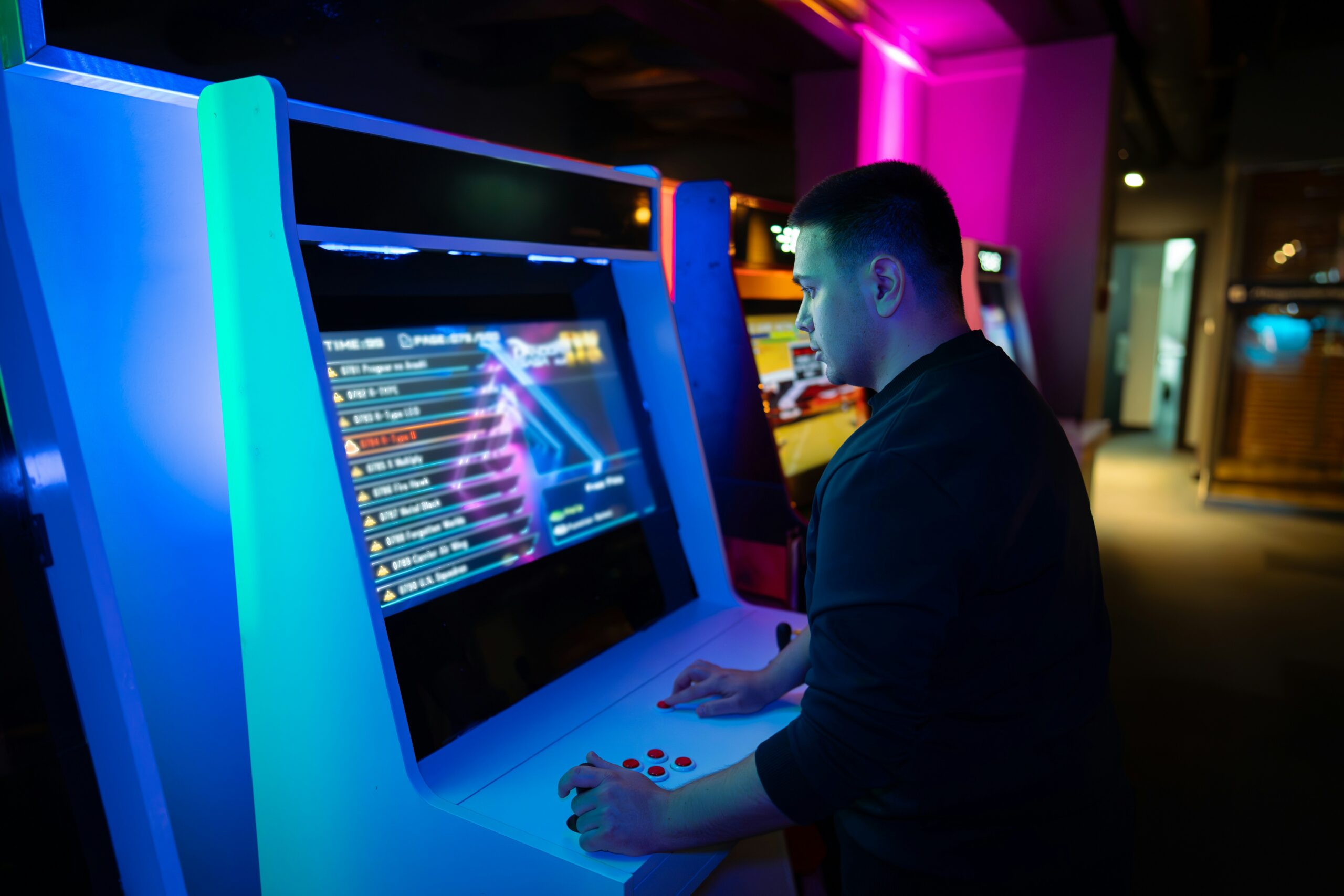
Beyond Hardware: Delivery Redefines Cloud Gaming Future
How Games Reach You: Evolution Core
Talk about the future of cloud gaming used to circle around consoles and subscriptions. That framing feels dated now. What is actually changing sits a layer deeper than hardware. It is about delivery. About how games reach players, how they get paid for, and where they can realistically be played without falling apart.
Cloud gaming did not start as a grand vision. It was a workaround. Over time, that workaround began bleeding into other corners of the gaming world, including online casinos, where performance and accessibility matter more than brand loyalty.
Join The European Business Briefing
New subscribers this quarter are entered into a draw to win a Rolex Submariner. Join 40,000+ founders, investors and executives who read EBM every day.
SubscribeWhy Cloud Gaming Is No Longer a Niche Experiment
Early cloud platforms were not subtle about their limits. Lag showed up without warning. Visual quality dipped the moment traffic increased. Infrastructure buckled as soon as scale became real instead of theoretical. Rendering speed improved in pieces, not all at once. Streams learned to adjust instead of breaking. Processing moved closer to users, sometimes close enough that the delay stopped being the first thing people noticed.
The experience is not yet flawless, but it stopped feeling like a tech demo. On a stable connection, streamed games can now hold up surprisingly well, even on devices that were never built to run them, something which is now part of the cloud gaming advances in technology.
Why Is Cloud Gaming Considered The Future Of Gaming?
The impact of cloud gaming on the gaming industry is not just about convenience. It quietly shifts who carries the risk.
Developers spend less time wrestling with device limitations. Publishers can update content instantly instead of relying on patches. Players stop thinking about installs entirely. That change alone reshapes how people enter games and how long they stick around once they do.
Casino platforms noticed this early. Streaming makes it possible to offer live dealer tables, visually dense slots, and interactive formats on phones without stripping features away. The experience stays intact, even when the device itself is doing very little work.
Casinos Are Paying Attention for a Reason
Casino platforms tend to move only when player habits force them to. That pattern shows up again here. Once downloads started to feel like friction instead of convenience, browser-based games filled the gap. Streaming followed naturally after that, not as a leap, but as an extension.
With cloud delivery, casinos are no longer boxed into stripped-down mobile versions. Full-featured games can be sent directly to players, complete with heavier visuals, live elements, and systems that would normally overwhelm local devices. The hardware on the user side matters less than it used to.
Next Generation Game Streaming Changes Design Philosophy
What next-generation game streaming really changes is not the delivery layer. That part is obvious. The bigger shift shows up in how games are designed once local hardware stops being the bottleneck.
Casino-style games benefit from that freedom in quiet ways. Sessions can stretch. Mechanics can stack instead of resetting every few seconds. Social features, progression paths, and even competitive elements start to make sense where they previously felt forced. Not everything lands, but the design space opens up.
Can Cloud Gaming Work On Mobile Devices?
Mobile tends to be where cloud gaming gets tested hardest. Not because the idea is flawed, but because the margins are thinner. A stable signal does more for the experience than extra processing power ever could.
Controls still need work. Touch input changes how long people are willing to play. Sessions behave differently on phones than they do on desktops or living room screens. None of that breaks cloud gaming on mobile, but it does shape what actually works.
Still, cloud delivery removes the biggest historical limitation. That single change explains why mobile-first casino platforms are experimenting aggressively with streamed content.
How Could Cloud Gaming Change Game Development?
There is also a money side to cloud gaming that does not get much attention. Centralizing computing changes who pays for what, and that shift is not subtle once it shows up on balance sheets.
That pressure changes how games are sold. Subscriptions start to make more sense. Time-based access creeps in. Hybrid free-to-play models get harder to ignore. For casino operators, this lines up neatly with revenue tied to engagement rather than ownership, where libraries stay fluid instead of fixed.
Why Cloud Gaming Is Considered the Future
Cloud gaming is considered the future because it removes friction. No installs. No updates. No hardware gatekeeping. Games become services instead of products.
That model fits modern user behavior, especially in casino and mobile environments where convenience beats loyalty.
The question is no longer if cloud gaming becomes dominant, but which sectors adapt fastest and which lag behind.