































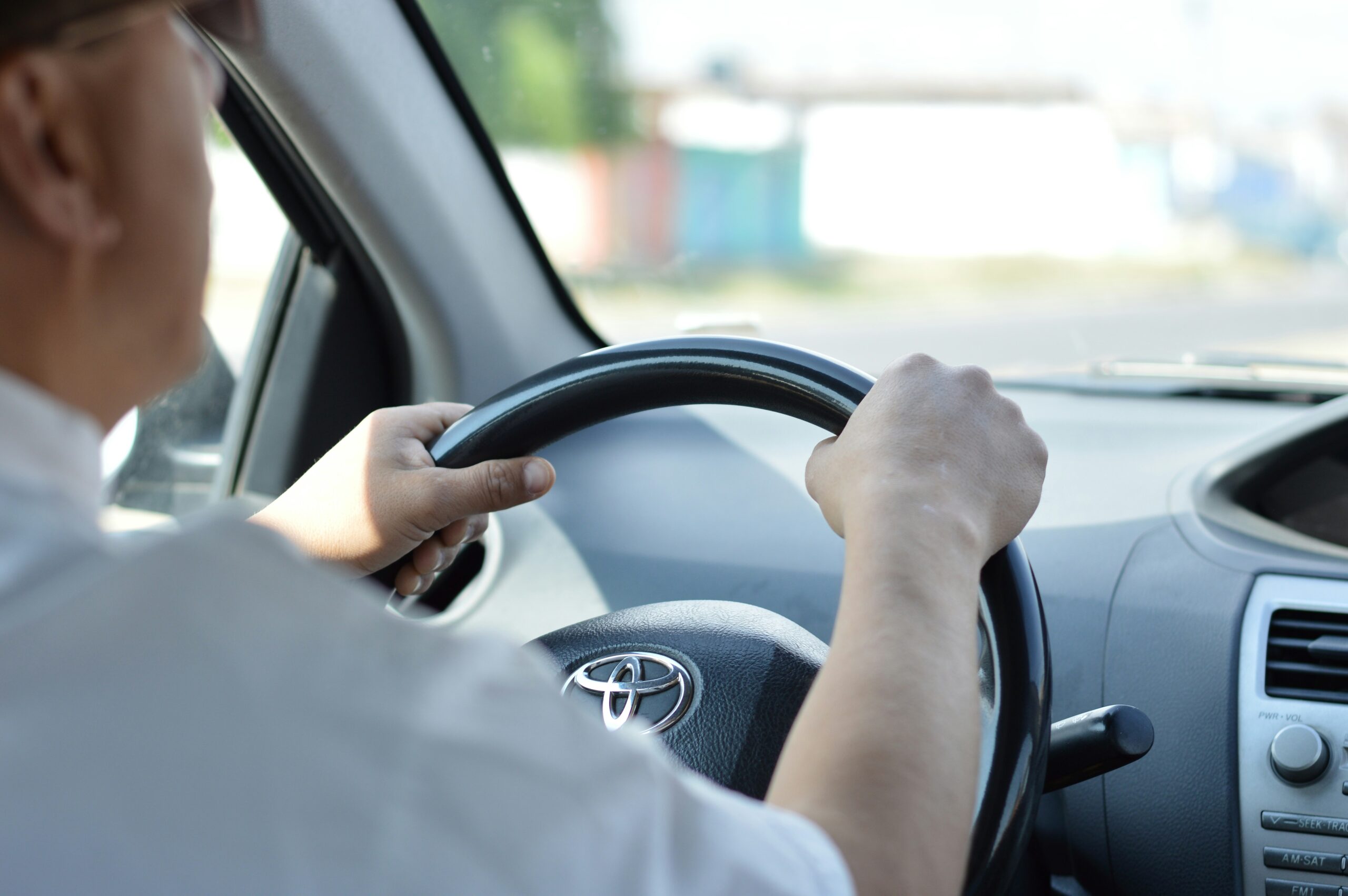
Road safety is increasingly becoming a shared responsibility among drivers, businesses, and policymakers as traffic-related incidents continue to impact public safety and economic productivity. While advancements in vehicle technology and infrastructure have improved overall road conditions, risky driving behaviors remain a leading cause of serious accidents and legal disputes, often resulting in long-term consequences for individuals and organizations alike.
Understanding how everyday driving decisions can escalate into legal liabilities is essential—not only for private motorists but also for fleet operators, employers, and insurers seeking to manage risk responsibly.
The Hidden Cost of Risky Driving
Risky driving behaviors such as speeding, distracted driving, aggressive maneuvers, and driving under the influence are frequently perceived as momentary lapses in judgment. However, these actions can carry significant legal, financial, and personal repercussions when they lead to accidents or injuries.
Join The European Business Briefing
New subscribers this quarter are entered into a draw to win a Rolex Submariner. Join 40,000+ founders, investors and executives who read EBM every day.
SubscribeFrom a legal standpoint, traffic violations can quickly progress from fines and license suspensions to civil lawsuits or criminal charges, particularly when bodily harm or property damage is involved. In severe cases, drivers may face long-term loss of driving privileges, increased insurance premiums, or incarceration.
Common Behaviors That Increase Legal Exposure
Certain driving habits consistently place motorists at higher risk of legal action:
- Speeding and reckless driving, which can demonstrate negligence or willful disregard for safety
- Distracted driving, including mobile phone use, now widely recognized as a major contributor to collisions
- Driving under the influence, often resulting in mandatory penalties and criminal records
- Failure to obey traffic signals or right-of-way laws, increasing liability in multi-vehicle accidents
When these behaviors lead to incidents involving injuries or fatalities, courts often take a strict stance, particularly when evidence suggests preventable conduct.
Legal Consequences Extend Beyond the Driver
The legal impact of unsafe driving does not always stop with the individual behind the wheel. In commercial and corporate settings, employers and fleet operators may also face legal exposure if inadequate training, poor vehicle maintenance, or unrealistic delivery expectations contribute to unsafe driving practices.
Civil claims related to negligence, wrongful death, or personal injury can result in substantial financial settlements, reputational damage, and operational disruption. As a result, many organizations are now prioritizing driver education, compliance monitoring, and proactive risk management to reduce liability.
Why Prevention Is a Legal Safeguard
Promoting responsible driving behavior is not solely a safety initiative—it is also a strategic legal safeguard. Defensive driving training, clear company policies, and adherence to traffic regulations can significantly reduce the likelihood of accidents and subsequent legal disputes.
For individual drivers, awareness of the legal consequences tied to everyday decisions behind the wheel can serve as a powerful motivator for safer habits. For businesses, investing in safety culture helps protect employees, assets, and long-term operational stability.
A Shared Responsibility for Safer Roads
As traffic laws continue to evolve alongside growing concerns over road safety, the message is clear: risky driving behaviors carry consequences that extend far beyond the moment. Legal accountability, financial strain, and lasting personal impact are often preventable through informed, responsible driving choices.
By recognizing the legal implications of unsafe driving and prioritizing proactive safety measures, both individuals and organizations can contribute to safer roads while reducing unnecessary legal exposure.






