






















European manufacturers are facing an unprecedented energy crisis. With electricity prices soaring by over 40% in the past two years across major industrial hubs, factory owners are scrambling to identify cost-cutting opportunities without compromising production quality. While many focus on upgrading machinery or optimizing supply chains, one often-overlooked area offers immediate and substantial savings: industrial lighting systems.
For decades, manufacturing facilities have relied on traditional lighting solutions that consume excessive energy and demand constant maintenance. As energy costs continue to climb, the financial burden of outdated lighting infrastructure has become impossible to ignore. The good news? Strategic lighting upgrades can deliver dramatic reductions in operational expenses while simultaneously improving workplace safety and productivity.
The Pain Points: Why Traditional Lighting is Draining Your Budget
Energy Inefficiency at Scale
Traditional Metal Halide lamps have long been the standard in industrial settings, but their inefficiency is staggering. These fixtures typically convert only 20-30% of consumed electricity into actual light, with the remainder wasted as heat. In a medium-sized manufacturing facility operating 24/7, this translates to tens of thousands of euros in unnecessary energy expenditure annually.
Join The European Business Briefing
New subscribers this quarter are entered into a draw to win a Rolex Submariner. Join 40,000+ founders, investors and executives who read EBM every day.
Subscribe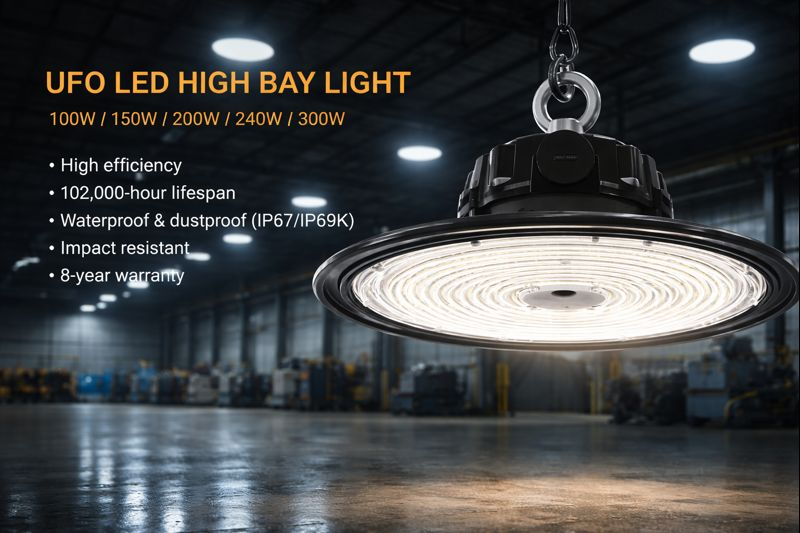
Consider a factory with 200 Metal Halide lamps rated at 400W each. Running continuously, these fixtures consume approximately 700,800 kWh per year. At current European industrial electricity rates averaging €0.15-0.25 per kWh, this represents an annual lighting cost of €105,000-€175,000 for a single facility.
The Hidden Cost of Maintenance
Beyond direct energy consumption, Metal Halide lamps impose substantial maintenance burdens. Their average lifespan ranges from 6,000 to 15,000 hours meaning facilities operating around the clock must replace each lamp every 9-18 months. This frequent replacement cycle creates multiple cost layers:
- Labor costs: Technicians must access high-bay fixtures using specialized equipment, often requiring production line shutdowns
- Replacement parts: Metal Halide lamps and ballasts represent recurring capital expenses
- Downtime losses: Even brief lighting maintenance can disrupt workflows and reduce output
- Safety risks: Working at height during lamp replacement introduces workplace hazards
A comprehensive analysis often reveals that maintenance costs exceed the energy costs of running these outdated systems.
Performance Degradation
Metal Halide lamps suffer from significant lumen depreciation throughout their lifespan, losing 20-30% of their initial brightness before failure. This gradual dimming forces facilities to over-light spaces initially or accept deteriorating visibility as lamps age neither option being cost-effective or safe.
The Solution: Industrial LED Lighting Fixtures
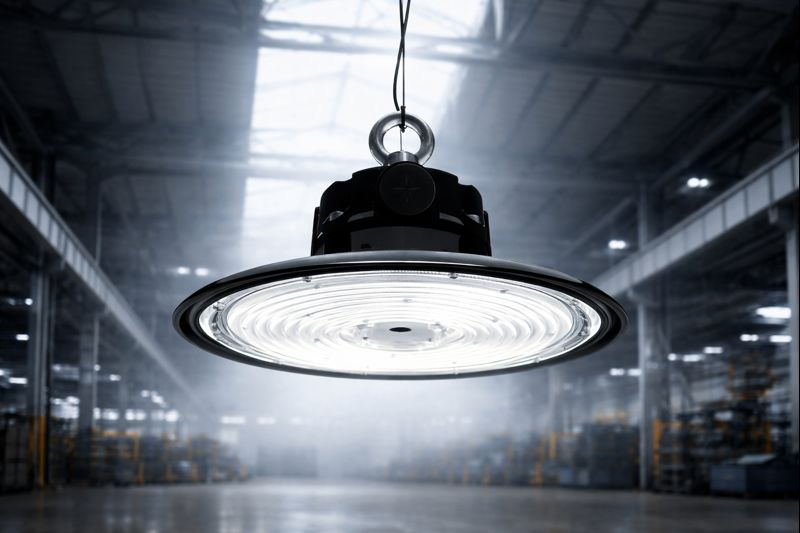
The transition to industrial LED lighting fixtures represents one of the most impactful energy-efficiency investments available to manufacturers today. Modern LED technology has matured to address the unique demands of industrial environments: high ceilings, harsh conditions, extended operating hours, and the need for reliable, maintenance-free performance.
Exceptional Energy Efficiency
LED fixtures consume 50-70% less energy than Metal Halide equivalents while delivering superior light output. A 150W LED fixture can replace a 400W Metal Halide lamp with comparable or better illumination. Returning to our 200-lamp facility example, switching to LEDs would reduce annual consumption to approximately 210,000-262,500 kWh—a savings of 438,000-490,800 kWh per year, or €65,700-€122,700 in annual energy costs.
Revolutionary Durability and Low Maintenance
Quality industrial LED lighting fixtures boast operational lifespans exceeding 50,000-100,000 hours. For a facility running 24/7, this translates to 5-8 years of maintenance-free operation. The elimination of frequent lamp replacements delivers compounding savings:
- Reduced labor costs: Maintenance staff can focus on critical equipment rather than routine lighting work
- Zero downtime: No production interruptions for lighting maintenance
- Eliminated replacement parts costs: No ballasts or lamps to purchase repeatedly
Ceramic Heat Dissipation: The Ceramiclite Advantage
Heat management is critical to LED longevity and performance. Ceramiclite’s advanced ceramic heat dissipation technology sets a new standard in industrial lighting reliability. Unlike conventional aluminum heat sinks that can trap heat and accelerate LED degradation, ceramic materials offer:
- Superior thermal conductivity: Rapidly transfers heat away from LED chips
- Enhanced durability: Ceramic withstands extreme temperatures and harsh industrial environments
- Extended lifespan: Cooler operating temperatures preserve LED efficiency and extend fixture life beyond standard ratings
- Consistent performance: Maintains light output and color quality throughout the fixture’s lifespan
This innovative approach to thermal management ensures that facilities realize the full return on their lighting investment without premature failures or performance degradation.
Instant-On Performance and Better Light Quality
Unlike Metal Halide lamps that require 15-20 minutes to reach full brightness after power cycling, LEDs illuminate instantly. This responsiveness supports energy-saving strategies like occupancy sensors and daylight harvesting while improving operational flexibility. Additionally, LED fixtures offer superior color rendering (CRI >80), reducing eye strain and improving worker ability to identify defects, read instruments, and work safely.
Business Value: Calculating Your ROI
Direct Cost Savings
For our reference 200-lamp facility, the transition to industrial LED lighting delivers:
Annual Savings:
- Energy cost reduction: €65,700-€122,700
- Maintenance labor savings: €8,000-€15,000
- Replacement parts elimination: €6,000-€10,000
- Total annual savings: €79,700-€147,700
Investment Recovery: With typical industrial LED fixture costs ranging from €200-€400 per unit including installation, the total project investment would be €40,000-€80,000. This results in a payback period of just 6-12 months, making lighting upgrades one of the fastest-returning energy efficiency investments available.
Enhanced Workplace Safety
Improved lighting quality directly impacts workplace safety, a benefit that extends far beyond energy savings:
- Reduced accident rates: Better visibility prevents trips, falls, and machinery-related injuries
- Lower insurance premiums: Demonstrable safety improvements can reduce workers’ compensation costs
- Decreased downtime: Fewer accidents mean less production interruption
- Improved worker morale: A well-lit environment demonstrates employer commitment to employee well-being
Studies consistently show that facilities with adequate lighting experience 20-50% fewer workplace accidents compared to poorly lit environments. For manufacturers, even a single prevented serious injury can save hundreds of thousands of euros in direct and indirect costs.
Productivity and Quality Improvements
The benefits of strategic lighting upgrades extend to core business outcomes:
- Reduced defect rates: Enhanced visibility enables better quality control
- Increased worker productivity: Studies show 3-8% productivity gains from improved lighting
- Better equipment utilization: Instant-on capabilities support flexible scheduling
- Improved employee retention: Modern, safe working environments attract and retain skilled workers
Environmental and Regulatory Benefits
As environmental regulations tighten across Europe, proactive energy efficiency measures position manufacturers favorably:
- Carbon footprint reduction: Significant decreases in Scope 2 emissions
- Regulatory compliance: Meeting or exceeding energy efficiency mandates
- Sustainability reporting: Demonstrable progress toward corporate environmental goals
- Competitive advantage: Increasingly, B2B customers prioritize suppliers with strong sustainability credentials
Implementation Considerations
Phased Rollout Strategy
Manufacturers need not upgrade entire facilities simultaneously. A phased approach allows:
- Pilot testing: Validate performance in specific areas before full commitment
- Cash flow management: Spread capital expenditure across multiple budget periods
- Operational learning: Refine installation processes and minimize disruption
- Quick wins: Start with highest-usage areas for maximum immediate impact
Incentive Programs and Financing
Many European governments and utilities offer substantial incentives for industrial energy efficiency upgrades:
- Direct rebates: Often covering 20-40% of project costs
- Tax incentives: Accelerated depreciation or tax credits
- Low-interest financing: Specialized green loans with favorable terms
- Energy service companies (ESCOs): Performance-based contracts requiring zero upfront capital
A thorough investigation of available programs can significantly improve project economics, sometimes reducing payback periods to mere months.
Beyond Simple Replacement
Modern LED systems enable intelligent lighting strategies impossible with traditional technology:
- Occupancy sensors: Automatically dim or switch off lights in unoccupied areas
- Daylight harvesting: Adjust artificial light levels based on available natural light
- Task-specific illumination: Provide appropriate light levels for different work zones
- Remote monitoring: Track energy consumption and fixture performance in real-time
These advanced controls can deliver an additional 20-40% energy savings beyond basic LED replacement.
Conclusion
Rising energy costs pose a serious challenge to manufacturing competitiveness, but they also create an opportunity to modernize facilities and improve operational efficiency. Strategic lighting upgrades, particularly the transition to advanced industrial LED lighting fixtures with ceramic heat dissipation technology—offer one of the strongest return-on-investment opportunities available to facility managers today.
With payback periods measured in months rather than years, these upgrades deliver more than just energy savings. They significantly enhance workplace safety, improve product quality, and support stronger environmental performance. The question is no longer whether manufacturers should upgrade their industrial lighting systems, but how quickly they can implement this transformation.
Beyond immediate savings, adopting modern lighting technology is a key step toward future-proofing manufacturing operations. As energy regulations become stricter and efficiency standards continue to evolve across European and global markets, factories that invest early in advanced LED systems are better prepared to remain compliant and competitive. Staying informed about emerging industrial lighting trends allows manufacturers to anticipate regulatory changes, optimize long-term performance, and avoid costly retrofits in the future.
For manufacturers facing margin pressure from rising energy costs, the path forward is clear: invest in modern, energy-efficient lighting solutions and redirect the resulting savings toward initiatives that create lasting competitive advantages in the global marketplace.