




























Rome and Milan-based tyremaker explore options to remove Sinochem’s 37% stake as Washington’s connected vehicle restrictions loom in March
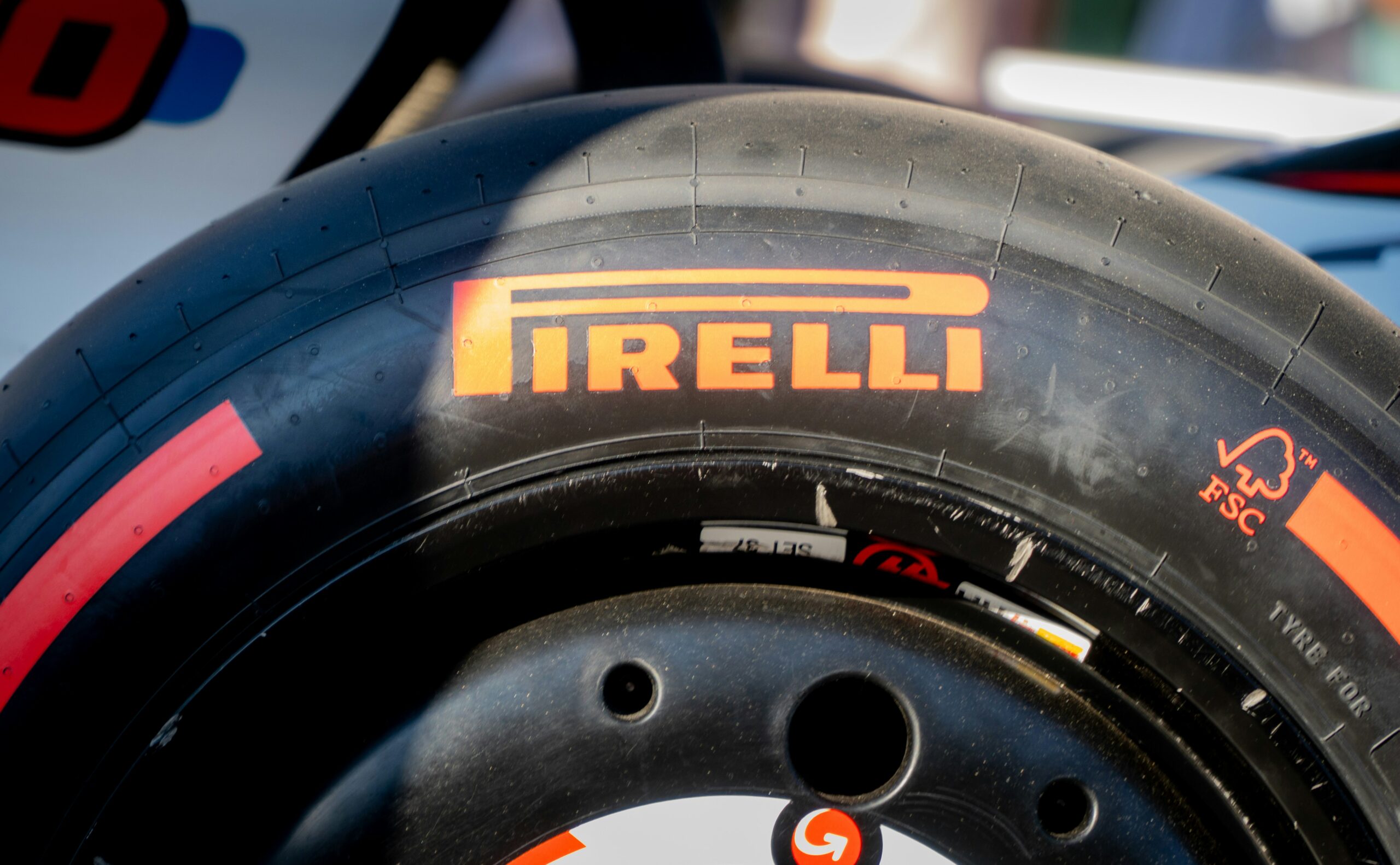
Italy’s government and Pirelli are intensifying efforts to resolve the Chinese ownership issue at the Milan-based tyremaker, with pressure mounting from Washington ahead of a March deadline when new restrictions on Chinese-backed automotive technology take effect. The urgency reflects broader tensions between Western allies and China over technology security, with Pirelli caught in the crossfire despite years of attempts to reconcile conflicting stakeholder interests.
Sinochem, the Chinese state-owned conglomerate, remains Pirelli’s largest investor with approximately 34% of shares, creating complications as the United States implements sweeping bans on software and hardware from Chinese-controlled companies in connected vehicles on American roads. For Pirelli, which generates roughly 25% of revenue from North America, the stakes could not be higher. The company’s Cyber Tyre technology—sensors that collect and transmit real-time tyre performance data to vehicles—sits squarely in Washington’s regulatory crosshairs.
Join The European Business Briefing
New subscribers this quarter are entered into a draw to win a Rolex Submariner. Join 40,000+ founders, investors and executives who read EBM every day.
SubscribeThe governance standoff has intensified pressure on all parties to find a solution. Camfin, the investment vehicle of Italian businessman Marco Tronchetti Provera who has led Pirelli since 1992, has repeatedly complained that Sinochem’s presence hinders the tyremaker’s US expansion plans. Camfin holds 27.4% of Pirelli and has lobbied the Italian government to take stronger action beyond the “golden power” restrictions Rome imposed in 2023 to limit Sinochem’s access to strategic technical information.
According to sources familiar with the discussions, Rome is now mulling fresh interventions as Washington’s ban on Chinese-backed hardware and software that interact with US cars approaches implementation. Software restrictions will take effect for the 2027 model year, with hardware prohibitions following in 2029. However, vehicles for those model years are already being designed, creating immediate pressure for resolution.
In recent months, US officials have directly pressured Italy to curtail Sinochem’s influence over Pirelli. The company has offered several proposals to the Chinese shareholder, including outright stake sales, though Sinochem initially did not engage substantively with these approaches. However, the Chinese conglomerate’s position appears to be shifting. Last month, Sinochem appointed BNP Paribas as advisers to explore sale options, signalling potential openness to an exit—provided any offer comes with a substantial premium.
Sources close to the matter told Reuters last year that Sinochem would consider bids for its Pirelli stake if purchasers offered attractive valuations. The Chinese investor, despite portraying itself as a long-term stakeholder, appears to recognize the mounting regulatory and commercial pressures that make its continued involvement increasingly untenable. However, finding a buyer willing to pay a premium for a 37% stake in a company facing governance disputes and market headwinds will not be straightforward.
The situation represents the culmination of years of friction. In 2023, Prime Minister Giorgia Meloni’s cabinet deployed Italy’s golden power legislation—special veto rights designed to protect strategic assets—to restrict Sinochem’s access to data collected by sensors in Pirelli tyres. The government cited concerns about strategic information potentially flowing to Beijing. Despite these restrictions, Sinochem maintained de facto control through its board representation, with five Chinese-appointed directors among the 15-member board.
In April 2025, Pirelli’s board voted to remove Sinochem’s status as a controlling shareholder, a symbolic move designed to demonstrate operational independence to regulators. However, Sinochem’s chairman and four other Chinese directors opposed the resolution, with one abstaining. The Chinese conglomerate expressed “deep disappointment and strong opposition,” arguing that golden power measures do not strip shareholders of their voting rights.
The broader context extends beyond Pirelli’s specific situation. Washington’s connected vehicle restrictions reflect deepening US-China technology competition, with automotive systems increasingly viewed through a national security lens. Connected vehicles generate vast quantities of data about routes, driver behaviour, and infrastructure—information that US authorities fear could be exploited by adversaries. For European companies with Chinese investors or partners, these concerns create difficult choices between access to Chinese capital and access to American markets.
Pirelli’s predicament also highlights the challenges facing legacy multinational corporations navigating geopolitical fragmentation. The company’s ownership structure—forged during a different era of globalization—now appears incompatible with the realities of great power competition. While Pirelli reported solid financial performance with revenue of €6.6 billion in 2024, the governance uncertainty has weighed on strategic planning and market valuation.
Several scenarios remain under consideration. One option involves Sinochem reducing its stake from 37% to below 25%, with the released shares reallocated to qualified investors acceptable to both Italian and American authorities. Alternatively, further governance revisions could limit Chinese influence without requiring a full divestment. A complete sale of Sinochem’s stake appears difficult given the need for a buyer willing to navigate ongoing regulatory complexities while paying a premium valuation.
As discussions continue, time is running short. The March implementation of Washington’s software restrictions creates a hard deadline for resolution if Pirelli hopes to maintain unfettered access to the crucial American market. For Rome, resolving the Pirelli situation has become a test case for managing Chinese investment in strategic sectors while preserving transatlantic relations. For Sinochem, an orderly exit may now represent the least problematic option among increasingly unattractive alternatives.
Related Topics: