






























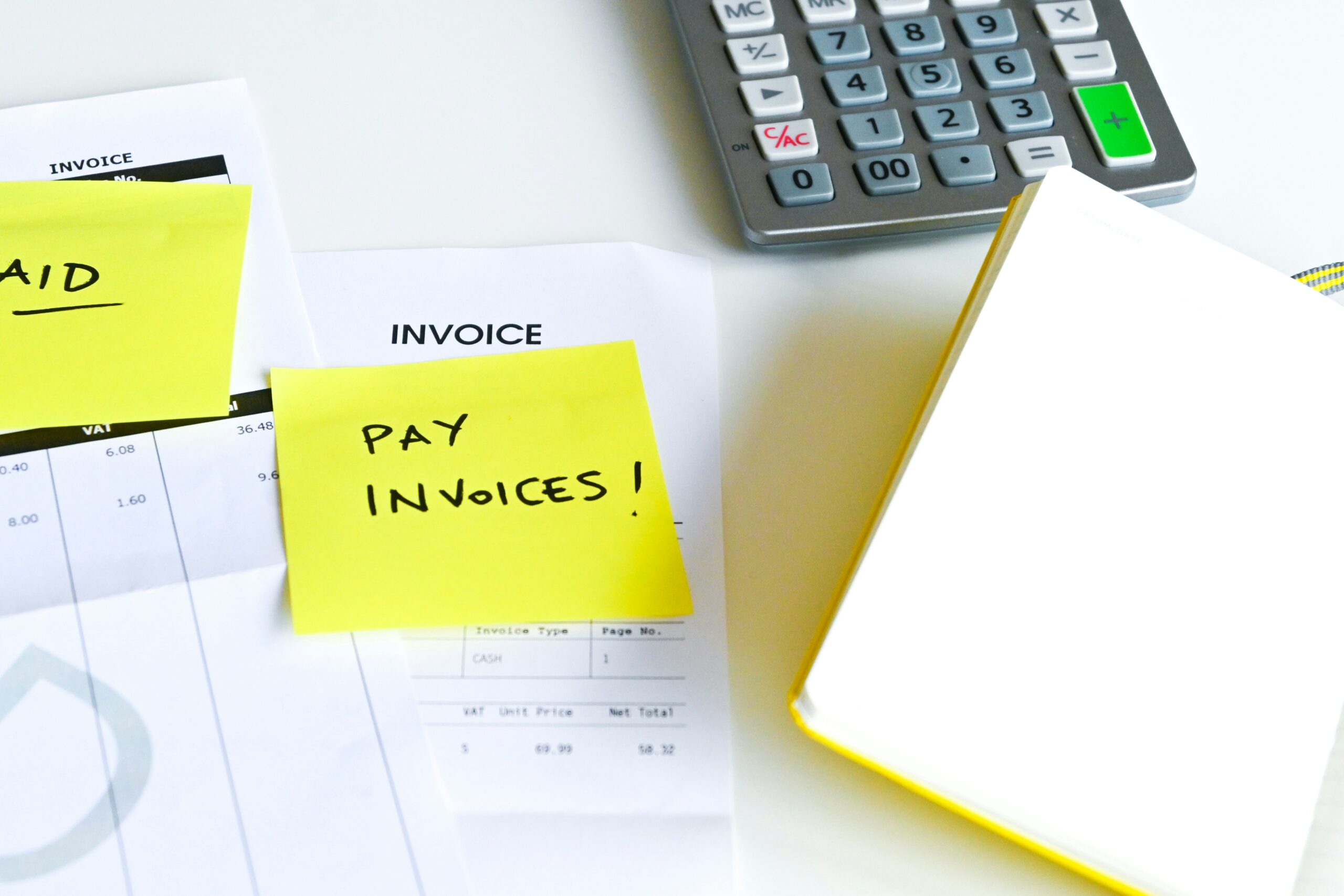
Duplicate invoices are one of those business problems that feel small until they are not. One extra payment here and another there can quietly damage cash flow.
Many business owners only notice the issue when accounts no longer balance. Avoiding such duplicate invoices is now more vital than ever, especially given how businesses are losing money so fast and so frequently. In fact, in 2025 alone, over a million jobs were cut in the US, mostly because of the severe financial losses businesses are suffering.
Thankfully, duplicate invoices are usually preventable. With better habits and smarter systems, you can protect your money and reduce financial headaches.
Join The European Business Briefing
New subscribers this quarter are entered into a draw to win a Rolex Submariner. Join 40,000+ founders, investors and executives who read EBM every day.
SubscribeCreate a Single Entry Point for All Invoices
One common reason duplicate invoices happen is simple confusion. Invoices arrive through emails, vendor portals, messaging apps, and even physical mail. When invoices enter the business from multiple directions, mistakes are almost guaranteed. Someone might process the same invoice twice without realizing it.
A single entry point fixes this problem. Decide where all invoices must be sent and processed. This could be a shared email address or accounting system. When everyone follows the same rule, visibility improves. You can immediately see whether an invoice has already been received or approved.
Use a Professional Accounting Service
Data shows that US companies lost an average of almost 10 percent of equivalent revenue to fraud. Duplicate invoices are often a big sign of fraud, and professional accounting services can help companies avoid duplicates and fraud altogether.
Professional accounting services offer structure and consistency that many businesses struggle to maintain internally. These services use established processes to review invoices before payment. Trained professionals know what red flags to watch for. Their experience helps prevent duplicate invoices from slipping through.
Homeowners’ associations (HOAs) often rely on this approach due to their complex financial needs. According to Ledgerly, these services lift the bookkeeping burden from your shoulders. By handling the details, professional accounting services help you stay compliant with accounting standards and minimize the risk of costly financial mistakes.
A homeowners’ association works with many recurring vendors across maintenance and operations. An HOA accounting service provider helps manage these relationships. By maintaining accurate financial records, professional accounting services reduce duplicate payments. This ensures transparency and protects shared budgets for the entire community.
Standardize Vendor Names and Payment Details
Vendor information often looks similar but not identical. A vendor might appear under slightly different names across invoices. One version might include a company suffix, while another does not. Accounting systems may treat them as separate vendors. This makes duplicate payments easier to miss.
Take time to standardize vendor names and payment details. Use one official name for each vendor in your records. Ensure bank details and invoice formats are consistent. When information matches exactly, your system becomes much more reliable. This small step greatly improves accuracy over time.
Match Invoices With Purchase Orders and Contracts
Another effective way to prevent duplicate invoices is invoice matching. This means comparing invoices with purchase orders or contracts before approval. If an invoice does not match an approved agreement, it deserves a closer look. This practice is especially helpful for larger or recurring expenses.
Matching creates a natural checkpoint in your workflow. It forces a review of amounts, dates, and services. Duplicate invoices often reveal themselves during this process. Even small businesses benefit from this habit. It builds discipline and reduces costly oversights.
Schedule Routine Expense Reviews
Many duplicate invoices slip through during busy periods. When payments are rushed, review steps get skipped. Scheduling routine expense reviews brings calm back into the process. These reviews do not need to be long or complicated.
Set aside time weekly or monthly to review recent expenses. Look for identical amounts, close dates, and repeated vendor names. Patterns become easier to spot when you review calmly. Over time, this routine builds confidence in your financial records. It also helps you catch other errors early.
Additional Habits That Strengthen Your System
Beyond the main strategies, a few supporting habits can strengthen your defenses. Always log invoices as soon as they arrive. Delays increase the chance of duplicates being processed later. Encourage vendors to include clear invoice numbers and dates.
Communication also matters. Let vendors know your payment timelines. This reduces the chance of them resending invoices unnecessarily. When vendors resend invoices, clearly mark them as duplicates if already recorded. Clear communication reduces confusion on both sides.
Technology can also help, but only when used properly. Accounting software works best when data entry is accurate. Automation does not replace human review. It simply makes good habits easier to follow. The combination of people and process is what truly prevents mistakes.
Why Duplicate Invoices Hurt More Than You Think
Duplicate invoices do more than waste money. They distort your financial reports. Expenses appear higher than they really are. This affects budgeting, forecasting, and decision-making. Over time, trust in your financial data can erode.
Recovering duplicate payments also takes time. You must contact vendors, provide proof, and wait for refunds. Some refunds take months to process. During that time, your cash is tied up. Preventing duplicates is always easier than fixing them later.
FAQs
How do you handle duplicate invoices?
Handle duplicate invoices by flagging them through automated checks and manual reviews. Match invoice numbers, dates, vendors, and amounts before payment. Pause payment and contact the vendor to confirm the valid invoice. Document corrections and update records to prevent repeats. Strengthen controls with approval workflows and audits. Train staff regularly and reconcile accounts monthly.
When are duplicate invoices created?
Duplicate invoices are created when vendors resend bills after payment delays. They also occur from data entry errors or system synchronization issues. Similar invoice numbers across departments can cause confusion. Poor communication between teams increases the risk. Weak controls allow duplicates to pass unnoticed. High volumes and manual processing make mistakes more likely.
Are duplicate invoices illegal?
Duplicate invoices are not illegal by themselves in most cases. Paying duplicates knowingly can become fraud or mismanagement. Laws depend on intent, jurisdiction, and contract terms. Businesses must correct errors promptly and recover overpayments. Strong controls demonstrate good faith and compliance. Audits and documentation help show proper handling. Seek legal advice if disputes arise.
As we speak, corporate bankruptcies in the US are up by almost 7.40 percent year over year. Businesses, in general, are losing money every month, and they can’t afford to let duplicate invoices slip by.
That being said, avoiding duplicate invoices is about control and awareness. It does not require complex systems or large teams. Clear processes, consistent records, and regular reviews go a long way.
By taking these steps, you stay organized and confident. Over time, these habits become second nature. The result is a healthier business and fewer unpleasant financial surprises.