































What Is Data Erasure?
Data erasure, also known as secure data wiping or data sanitisation, is the process of permanently removing data from storage devices, such as hard drives, SSDs, and servers, so that it cannot be recovered. Unlike simple deletion or formatting, which leaves traces of information that could be retrieved with recovery tools, professional data erasure ensures that the data is irretrievable.
This is especially important for businesses that handle sensitive customer, employee, or financial information. Failure to erase data properly can lead to data leaks, legal penalties, and reputational damage.
How to Erase Data Securely
There are several ways to erase data from IT assets, but not all are equally safe or compliant. Secure methods include:
Join The European Business Briefing
New subscribers this quarter are entered into a draw to win a Rolex Submariner. Join 40,000+ founders, investors and executives who read EBM every day.
Subscribe- Overwriting: Replacing existing data with random patterns using specialised software.
- Degaussing: Demagnetising a drive to remove the data it holds (only for magnetic storage).
- Cryptographic erasure: Destroying the encryption key, rendering the encrypted data inaccessible.
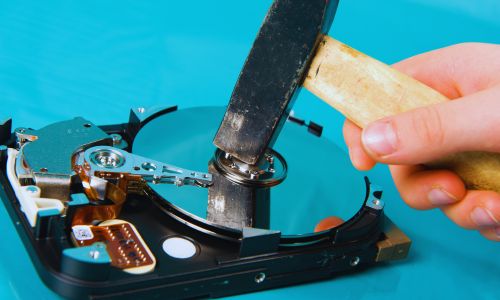
- Physical destruction: Shredding or crushing drives, although this does not provide proof of data removal unless documented.
Each method has its own use case depending on the type of device, security requirements, and applicable regulations such as GDPR or ISO standards.
However, improper implementation can leave residual data or fail to meet compliance standards, which is why professional execution is critical.
How a Professional Company Performs Data Erasure
Working with a specialised IT asset disposition provider ensures your data erasure process is both secure and compliant. A professional partner typically follows a structured, certified procedure that includes:
- Initial audit and asset inventory: Devices are logged and categorised for proper tracking.
- Certified data wiping: Using tools that comply with industry standards like NIST 800-88 or BSI-GS, ensuring full sanitisation.
- Chain of custody and documentation: From pickup to processing, every step is recorded, minimising risk of data exposure.
- Erasure reports and certificates: Each device receives a tamper-proof certificate of data erasure, which supports compliance and audits.
- Environmentally responsible disposal: Devices that can’t be reused are recycled according to strict environmental guidelines.
A professional approach helps businesses meet GDPR requirements, avoid unnecessary risks, and even recover value from retired IT assets through reuse or resale, a core part of responsible IT Asset Disposition.
Why Businesses Should Not Take Risks with Data Removal
Attempting to manage data erasure in-house or relying on basic methods can leave businesses exposed. Risks include:
- Non-compliance with data protection laws
- Unintentional data leakage
- Lack of traceability or documentation
- Missed opportunities for asset value recovery
By outsourcing this task to certified experts, companies can focus on their core operations, knowing their data is handled safely and professionally.
Conclusion
In today’s digital economy, protecting your business means managing data responsibly, even when devices reach the end of their lifecycle. Professional data erasure is a secure, verifiable, and compliant way to permanently remove data from IT assets, reduce risk, and support a circular IT strategy.
Partnering with an experienced provider not only safeguards your data but also reinforces your company’s commitment to security and sustainability.