




























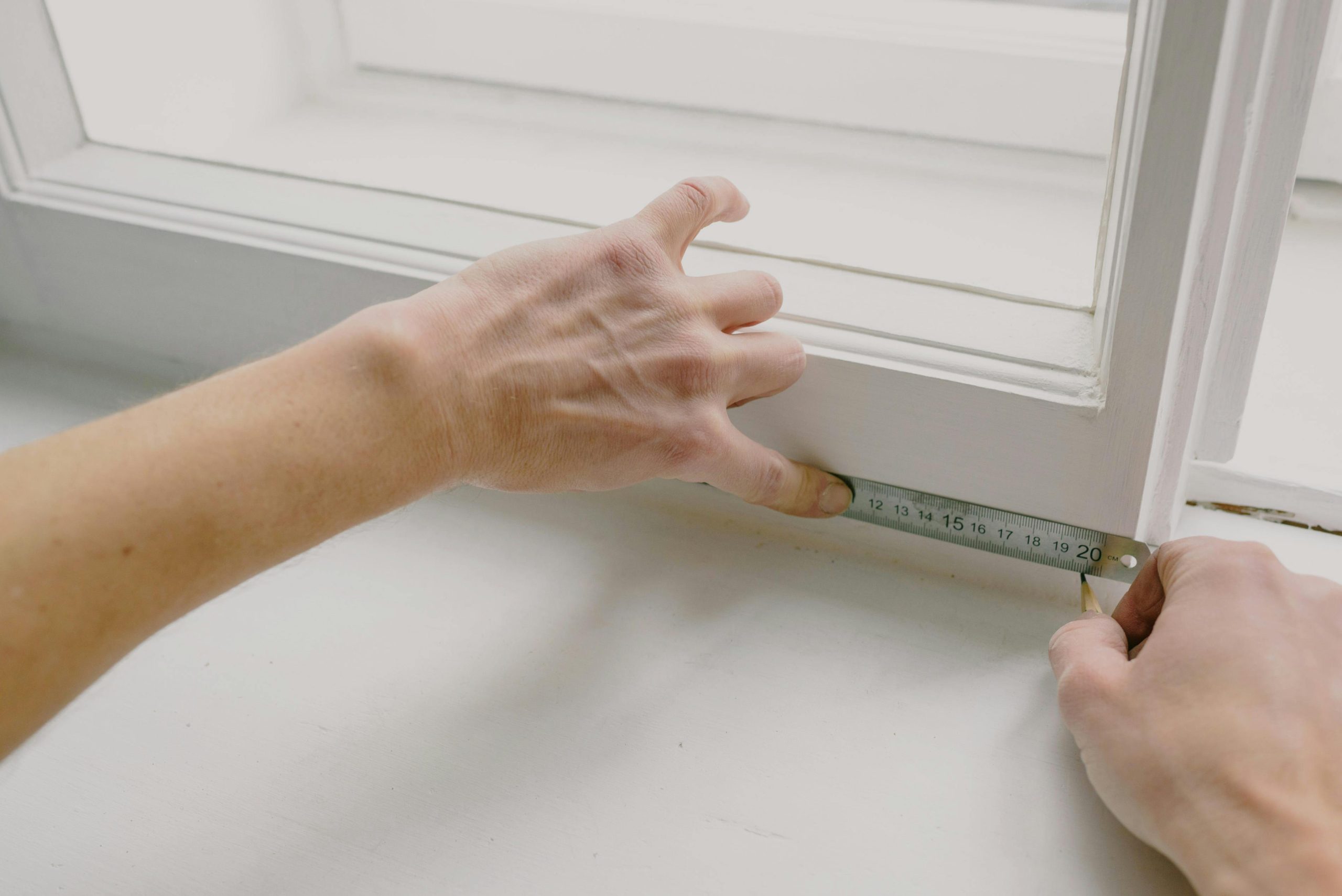
Studies indicate that insufficient construction data resulted in $1.8 trillion in losses in 2021. Considering the subsequent inflation hike, the number may have increased. If you are a construction contractor and don’t want to be one of the people losing funds, construction estimation is a perfect fix!
To save overruns and boost profit margins, you can either hire Construction Estimating Companies or estimate the cost yourself. This blog is your ultimate guide to preparing exact estimates for any project. Here are the three best strategies that our professionals have backtested.
Using Square Foot
Let’s say you have a last-minute opportunity to bid on a project; then this strategy is perfect for you! The square foot method, commonly known as the budget method, provides an ideal opportunity to present an accurate bid that will help land the project.
Join The European Business Briefing
New subscribers this quarter are entered into a draw to win a Rolex Submariner. Join 40,000+ founders, investors and executives who read EBM every day.
SubscribeThis strategy is for the builders who don’t want to spend 15 hours estimating a project. The process is quick and result-driven.
How to Use It?
Using the budget method is straightforward, which involves using historical data to create an average square footage of the area. This method is similar to realtors using previous real estate projects in the area to estimate a price. Here is a step-by-step process to use the square foot cost estimation strategy:
-
Gathering The Data and Creating A List
Start by gathering the data about previous projects. You’ll need a total estimate, materials, surface area, and the current state of the project. Try finding earlier projects in the same region as the bidding projects. You can also choose projects with similar areas and finishes. After collecting all the details, create a complete list of the projects.
-
Creating an Average SF Price
In the next step, add up all of the previous estimates to get a total sum. Now, create an average price per square foot. Remember to exclude any additional charges you added for high-end finishes. However, if the project you are bidding on requires remarkable remodelling, add a small margin to the average cost.
-
Create a Final Estimate
Once you have an average SF price, multiply it by the total square footage to get a total construction estimate. Most people would try to bargain or ask for a discount to lower the final price.
Unit Pricing Estimation
If you have worked on projects as a contractor before, you are likely familiar with the term unit pricing. This strategy is more of a one-time hassle. You’ll need to calculate the cost of individual tasks in the process. Additionally, knowing the direct costs of general construction services will make the estimation faster.
How to Use It?
Before we outline the steps to create a unit price, we suggest investing in digital software for estimation. Bluebeam and PlanSwift are the ones that have been tested and approved by our professionals.
Start the unit pricing estimating process by performing a digital takeoff using Bluebeam.
Next, we will calculate the unit prices of direct costs, materials, supervision, overhead, profit, and sub-markups. Here’s how to calculate the unit pricing of each:
- Take a sample of units from your previous similar project.
- Divide the total expense by the total square footage. In this example, we have taken labour cost as the desired unit:
- Unit Cost Per SF for Labor = Labor Cost / Total Square Footage
- Add it to your digital software database.
- Repeat the process and create a total estimation.
Labour Cost Multiplication OR The Rule Of Two
This method is one of the simplest and easiest ones for construction cost estimation. If you have been in the market for a long time, you’ll have an idea that labour costs are typically 40-50% of the total estimate. Creating an estimated number by comparing labour cost price percentages becomes relatively easy, but it isn’t entirely accurate. Many contractors also factor in equipment considerations, especially when they are looking for Komatsu equipment that may influence overall budget planning. Understanding how machinery availability and pricing affect labor needs helps refine cost projections and reduce unexpected overruns.The coming section will tell you why!
How to Use It?
To calculate the construction cost, you need to have a rough idea of the labour cost for the said project. Consider any similar project drawings from your portfolio, and then multiply the number by 2. It will give you the total budget.
Remember: Consider a 10% contingency to cover any potential issues that may arise throughout the project timeline.
However, there’s a con to the said strategy! You won’t be able to assess the individual costs of the materials, equipment, or finishes.
Tips to Make a Construction Estimate With 100% Accuracy
We have already discussed the easy-to-create estimation reports. However, without proper guidance, you may encounter some problems along the way. Therefore, here are some tips to solidify the precision of your estimate:
Use Supplier’s Consultation
If you have been in the construction market, you will have an idea about the material costs. However, these things continue to change with each passing day. A better option would be to choose a supplier. They will provide you with the current costs of materials, finishes, and equipment rental.
If you want to automate all the processes and need an estimate right away without doing anything, consider getting Construction Estimating Services.
Always Do A Site Visit!
You’ll receive photos and blueprints, but those don’t compare to a real-time site inspection! Use past projects as a reference and look for similar jobs. Then find their estimates and check how close they were to the actual expense. That would not only increase precision but also help you adjust things for material waste and scheduling delays.
Break Down Everything Into Bite-Sized Chunks
If you have ample time to create the estimate, we suggest breaking down every significant cost into smaller, more manageable expenses. You can classify them according to trades or material scopes.
Don’t Forget the Hidden Costs!
This is the stuff that shows up on the bill but rarely on your radar. Some of the typical hidden costs that often appear late include inspections, permits, hauling fees, and temporary fencing. The best way to deal with them is to add a checklist of common forgotten costs to your template so they never sneak past you again.
Add a Contingency Cost
We have been in the business since 1995, and we believe you when we say that even the best estimates sometimes fail to predict every hiccup. Weather delays, material substitutions, or human error can cause significant changes quickly. That’s why I always add a 5-15% contingency cost as a breathing room.
Why Is It Necessary To Estimate Construction Costs?
Construction cost estimating may not be the most glamorous part of your project, but it is the most necessary. A construction estimation report can make or break your timeline, budget, and even your company’s reputation. Here are some primary reasons why you need a solid estimate before every project.
To Protect Your Profit Margin
To ensure a guaranteed profit, it’s necessary to plan accordingly. Estimation will help you price the job with precision and manage all the risks. This will help you make money instead of just breaking even (or worse).
To Direct Suppliers and Subcontractors
Accurate estimates are not just for you but also for the assistance of your suppliers and subcontractors. These will provide a solid foundation for contracts and purchasing decisions. Therefore, if you have a vague estimate in mind, vague quotes from suppliers will likely lead to budget overruns.
Can’t Create an Estimation? Choose a Company Using the Following Guide!
Not everyone wants to spend their day staring at spreadsheets and calculating labour hours. That’s okay, and we understand it. If you’d rather leave it to the pros, here’s how to pick the perfect estimation company:
Look for Specialization
Estimating an industrial project differs significantly from estimating residential homes. There are noticeable changes in building codes for both projects. Therefore, always try to find a company with experience in your project type. It’d be even better if they’d worked with contractors in your area.
Request a Sample
If they know how things work, showing relevant samples won’t be a problem. Ask for one because it is your final chance to judge how clear and precise their estimates are.
Ask What Software They Use
Exceptional estimation companies don’t just guess. On the contrary, they use professional tools such as CAD Drafter. Bluebeam and PlanSwift. If their experts are still using clunky spreadsheets, it would be better to find another one.
Conclusion
Estimating the construction might not be the flashiest part of the job, but it is crucial. We have provided you with a guide to help you keep your budget in check and schedule every cost effectively. Remember to use all the tips for boosting the accuracy. Additionally, if you don’t want to go through the hassle of doing it all yourself, we’re here to help! Let us know about the next project, and we’ll ensure you get a winning bid and 100% accuracy.