































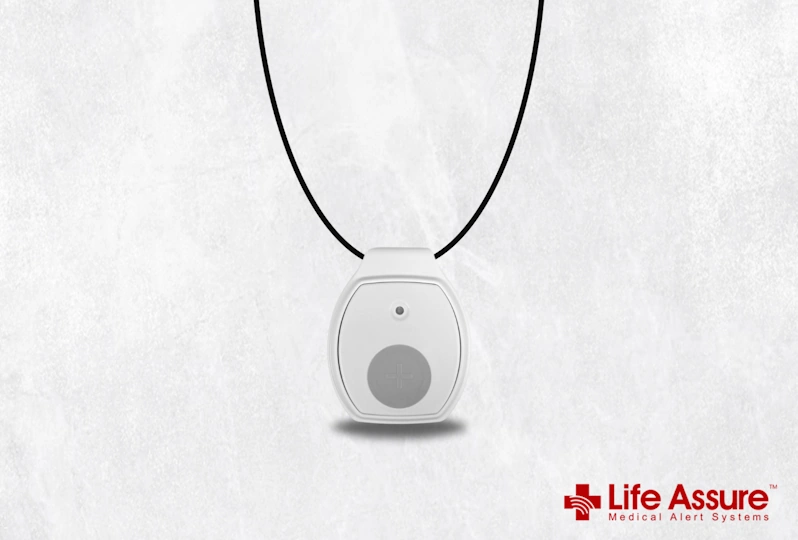
Medical alert devices can be a lifesaver when it comes to protecting your health or that of a loved one.
These small yet powerful tools are designed to assist when needed, ensuring that users can remain independent and have peace of mind.
Although many of these systems carry monthly fees, an increasing number of companies now offer no-fee medical alert devices. This is an attractive option that has become increasingly popular among both older adults and their caregivers.
Join The European Business Briefing
New subscribers this quarter are entered into a draw to win a Rolex Submariner. Join 40,000+ founders, investors and executives who read EBM every day.
SubscribeHowever, the term ”no fee” is not always synonymous with complication-free. Some no-fee gadgets have limitations or trade-offs that may not be immediately apparent.
That’s why it’s crucial to ask the right questions before purchasing and signing up with any medical alert system.
Here are five important questions to ask before purchasing a no-fee medical alert device, along with detailed answers to support your selection.
1. What Is Included In The “No-Fee” Promise?
Before getting too excited about the absence of monthly charges, you should ask exactly what is included and what is not in the no-fee offer.
Many medical alert companies market their devices as “no-fee,” which typically means they don’t charge a monthly fee for monitoring.
However, that doesn’t necessarily mean you will pay nothing. In many cases, “no fee” means no ongoing monitoring service fees. You may still need to purchase the device itself and may also incur additional costs for shipping, installation, or upgrades.
For instance, in Canada, the terminology and available services can vary, so it’s essential to understand what’s truly being offered when you come across medical alert systems for seniors free canada no fees promotions.
These offers can be a great starting point for budget-conscious families, often providing basic safety features without the burden of ongoing costs.
It’s also crucial to understand whether the device connects to a professional monitoring center or simply dials pre-programmed phone numbers, such as 911 or a family member.
Without professional 24/7 monitoring, you or your loved one could have fewer safety nets in times of crisis.
2. Does The Device Offer Automatic Fall Detection?
Falls are one of the top causes of injuries among the elderly. Hence, automatic fall detection can be a key feature for some users. This feature enables the device to detect when a wearer has fallen and contact emergency services, even if the person is unconscious or cannot press the emergency button.
When comparing no-fee medical alert systems like this, it’s crucial to know whether fall detection is standard. There are some no-fee models that do not have this feature included or charge extra for it. Others might have less advanced sensors that generate false alarms or fail to detect falls.
You can also ask how the fall detection technology functions. Several use accelerometers and gyroscopes to identify sudden motions, and some combine this information with artificial intelligence algorithms to make more precise identifications.
3. How Does The Device Connect To Emergency Help?
It’s important to know how your medical alert device reaches emergency services. Not all no-fee systems come with the same level of support. Some have direct connections to 911, others to a specific caregiver, and few have access to a monitoring center that doesn’t charge a monthly fee, though these are few and far between.
Many of these systems send distress signals over landlines or cellular networks to get help. On no-fee devices, you are more likely to see those that connect to a smartphone over Bluetooth , or that use a built-in cellular SIM card with limited coverage.
That said, you should ask how dependable the communication between the device and people who need to be contacted is, i.e., does one need to be within the vicinity of a smartphone or a base station for the wearable to work?
4. What Is The Device’s Battery Life And Maintenance Schedule?
Another important consideration for no-fee medical alert systems is the battery life. The last thing you need is your device going dark at the moment of peak importance.
Thus, request information on how long the battery lasts on a single charge and how the user is alerted when it needs to be charged or replaced.
Some devices come with rechargeable batteries and will need to be plugged in every few days, while others employ long-life batteries that can last for a few months or even years. All options have their positives and negatives.
For instance, rechargeable options are better for the environment and cheaper in the long run, but they need to be kept in check.
5. Is The Device Comfortable And User-Friendly?
A medical alert device can offer all the features in the world, but it won’t do you any good if it’s uncomfortable or cumbersome. Seniors might hesitate to wear something bulky, itchy, or unattractive.
That’s why when you’re considering your options, you should prioritize comfort and usability.
Thus, ask for photos and videos of the device in person, if possible, to gauge its size and weight. Also, check if it’s a pendant, bracelet, or belt clip. How discreet is it? Is it likely to attract unwanted scrutiny or affect your day-to-day life?
How easily a device is set up and operated daily can also make a difference. Many seniors don’t like using complicated technology, so an ideal no-fee device should be able to work right off the bat with little configuring after simply opening the box. The instructions must be clear, and there should be customer support in case of confusion.
Conclusion
A fee-free medical alert device can provide significant cost savings and great independence for seniors or those with chronic health conditions, although not all are created equal. To protect yourself or your loved one, you’ll have to do more than take marketers at their word.
By inquiring after these five questions, you will have a complete picture of the system’s reliability and value.