






























Gaming in virtual worlds is not just for fun anymore—it’s quickly turning into a major digital life form. Computer games which began with faint graphics are now designed to be completely lifelike. Advances in technology mean that virtual gaming has also grown in size and range. What are your thoughts on what is next?
The Rise of Immersive Technologies
VR and AR Appearing at the Main Stage
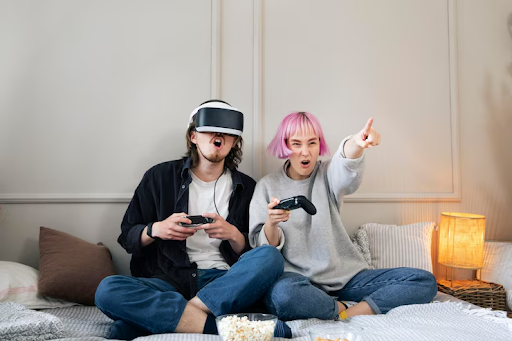
Panoramic immersion and real-time changes have changed our experience with games. Instead of directing actors with a game controller, players can live in the game world.
They allow players to experience the game more closely. Players are able to explore big digital worlds or compete in sports simulations at home. When hardware gets more affordable, you can probably expect to see more games made just for these consoles.
Join The European Business Briefing
New subscribers this quarter are entered into a draw to win a Rolex Submariner. Join 40,000+ founders, investors and executives who read EBM every day.
Subscribe-Cloud Gaming and Instant Access
Cloud gaming takes away the necessity for buying expensive consoles and PCs. All you have to do is open the site and play the games; no apps required.
As a result, games are easier for anyone to try, including many who have never played before due to cost or a lack of space.
It’s also transforming the process users have to go through to use gaming platforms. For instance, a simple bdg login gives players a quick way to access many online games and earn money.
AI and Personalised Gameplay
Smarter, More Adaptive Worlds
AI is helping virtual games feel more like real people are playing. Now, games can change based on what the player chooses, giving a better personalised experience.
The emotions and actions of NPCs are being improved in games. Because of this, the plot keeps people interested and the results are more difficult to predict.
Key Trends
Here are some important shifts influencing what’s to come:
- Play together with your friends using any game device.
- Many games now give players crypto or real money as part of their rewards.
Gamification isn’t just for entertainment; it’s also found in education, training and health apps.
Social Connectivity in Online Worlds
Apart from playing, people are using games to interact with each other. Various multiplayer games now allow users to talk to each other, choose personal avatars and take part in social activities. It’s no longer just a game; it’s joining a community online.
Events, concerts and fashion shows are now being held in online environments. Digital interaction in this way is redefining how we enjoy entertainment.
The Role of the Metaverse
Merging the Differences Between Real Life and Online Gaming
The idea of a common, lasting online world is now closer than it has ever been. Big-name companies Meta, Apple and Sony are busy making digital worlds.
Using these metaverses, people will be able to transfer from game to game, make digital profiles and earn actual money. This is when our lives at home start to include our jobs, social lives and leisure.
Things to come in virtual gaming are full immersion, inclusivity and strong connections. Advancements in technology will bring new changes to our playtime, lessons and bonds with others. It’s not only a trend—it marks the next important stage of digital progress.